

UAE will roll over Pakistan deposit on monthly basis, IMF informed
Officials dismiss social media reports claiming the UAE had withdrawn the funds as “false and baseless”

Haris Zamir
Business Editor
Experience of almost 33 years where started the journey of financial journalism from Business Recorder in 1992. From 2006 onwards attached with Television Media worked at Sun Tv, Dawn Tv, Geo Tv and Dunya Tv. During the period also worked as a stringer for Bloomberg for seven years and Dow Jones for five years. Also wrote articles for several highly acclaimed periodicals like the Newsline, Pakistan Gulf Economist and Money Matters (The News publications)
Shutterstock
Pakistan and the International Monetary Fund (IMF) began the third round of policy-level talks on Wednesday, with officials briefing the lender on debt management, regional risks and fresh assurances from the United Arab Emirates regarding financial support, according to official sources.
The virtual negotiations are being attended by IMF representatives from Washington and Istanbul after the lender decided to hold the talks online in view of the tense regional situation, the sources said.
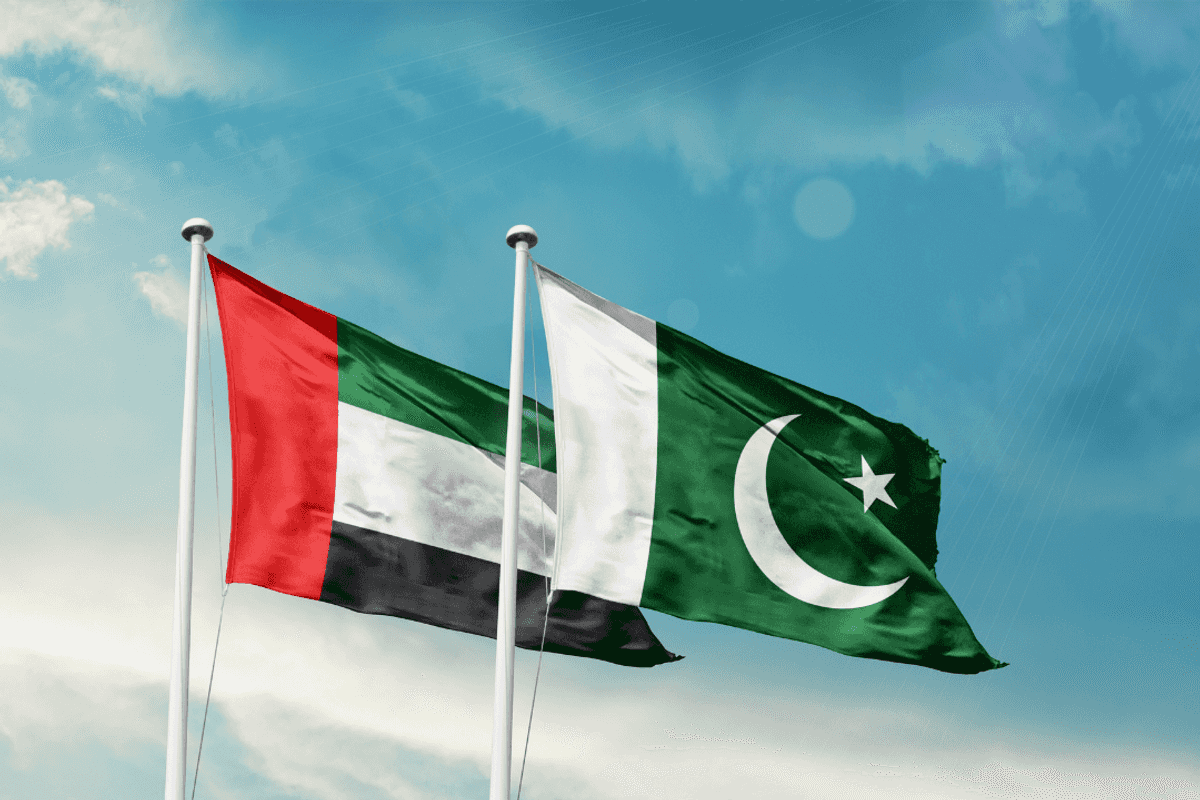
During the discussions, Pakistani authorities informed the IMF that the United Arab Emirates has assured Islamabad it will roll over $2 billion in deposits. Officials dismissed social media reports claiming the UAE had withdrawn the funds as “false and baseless”.
The UAE will continue to roll over the $2 billion at the previously agreed interest rate and will not charge any additional interest, the IMF was told. However, the rollover mechanism has shifted from an annual to a monthly basis, according to the briefing.
Officials said Pakistan had already factored in regional tensions and associated risks in its economic policy planning before the recent escalation. They added that despite rising petroleum prices in the global market, the country’s current account deficit is expected to remain within the targeted limit.
Pakistan is implementing what officials described as the “strictest debt management measures”, with a significant portion of foreign borrowing being used to repay existing loans. Authorities also told the IMF that the country is shifting away from expensive commercial bank loans toward more affordable multilateral financing.
The third round of policy talks will also focus on improving tax collection from agricultural income and enhancing capital value tax collection on property in the provinces, the sources said.
The session will also review the economic performance of the northwestern province of Khyber Pakhtunkhwa.
Pakistan’s finance secretary is expected to brief the IMF on the provincial government’s reforms and fiscal progress.
Officials said the Khyber Pakhtunkhwa government plans to digitalize 173 public services as part of administrative reforms. The province has doubled its tax revenue from PKR 65 billion to PKR 129 billion and has allocated PKR 90 billion for reforms across 14 sectors, according to the briefing.
The talks are part of Pakistan’s broader engagement with the International Monetary Fund to stabilize the economy and maintain fiscal discipline amid ongoing external and regional challenges.





Comments
See what people are discussing