


News Desk
The News Desk provides timely and factual coverage of national and international events, with an emphasis on accuracy and clarity.
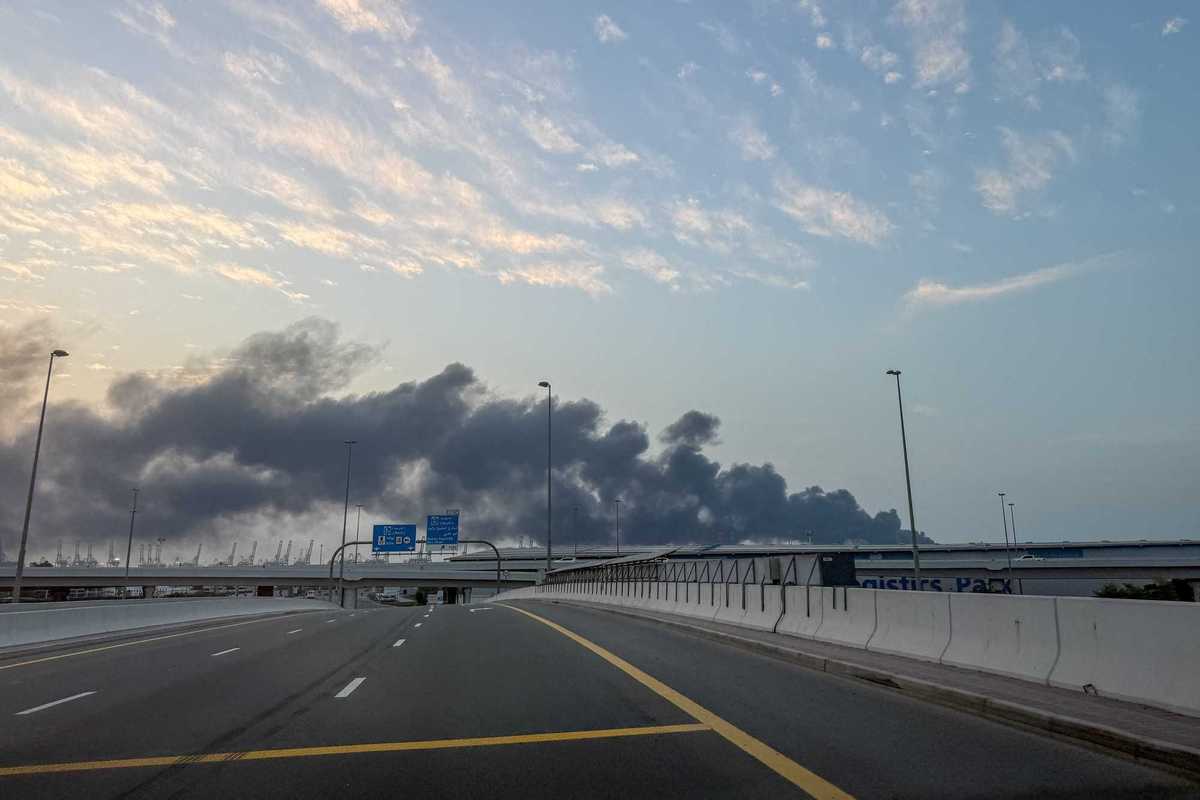
Smoke billows from Jebel Ali port after an Iranian attack, following United States and Israel strikes on Iran, in Dubai, United Arab Emirates, March 1, 2026.
Reuters
The United Arab Emirates has summoned Iran’s ambassador and warned of serious consequences after what it describes as Iranian attacks on its territory, according to Khaleej Times.
The Ministry of Foreign Affairs called in Reza Ameri, Tehran’s envoy to Abu Dhabi, and delivered a formal protest note condemning what it termed “terrorist attacks” targeting the Gulf state. The ministry said striking UAE territory represents a grave breach of sovereignty, threatens national security and contravenes international law and established norms.
During the meeting, Minister of State Khalifa Shaheen Al Marar rejected attempts by Tehran to justify the escalation, particularly attacks on civilian infrastructure such as residential areas, airports, ports and other service facilities. The UAE said the strikes endangered civilians and ran counter to its publicly stated approach of de-escalation.
In its protest note, the UAE stressed that it would not permit its territory to be used for military operations against Iran. Al Marar said the attacks violate the principles of good neighborliness and the United Nations Charter, and warned they could have far-reaching political, economic and trade repercussions for bilateral ties. He UAE urges Iran to stop the strikes immediately and unconditionally and to fully respect Emirati sovereignty.
Closure of embassy in Tehran
Separately, the UAE announced it is shutting its embassy in Tehran and recalling its ambassador, the foreign ministry said on Sunday, following the reported attacks.
The move comes after authorities said they intercepted successive waves of Iranian ballistic missiles and drones aimed at multiple sites across the country since Saturday. Air defense systems were activated in Abu Dhabi and Dubai.
The escalation follows U.S. and Israeli strikes on Iran that reportedly killed more than 200 people, including Supreme Leader Ali Khamenei and senior military and civilian officials, and caused extensive damage to military infrastructure. Tehran has since launched attacks against U.S. military-linked facilities across the region, including in the UAE, Bahrain, Qatar and Oman.
Emirati officials said hundreds of incoming projectiles were destroyed mid-air, though falling debris and a limited number of drones caused casualties and property damage. Authorities said the situation remains under control, with the country on heightened alert and emergency teams deployed nationwide.
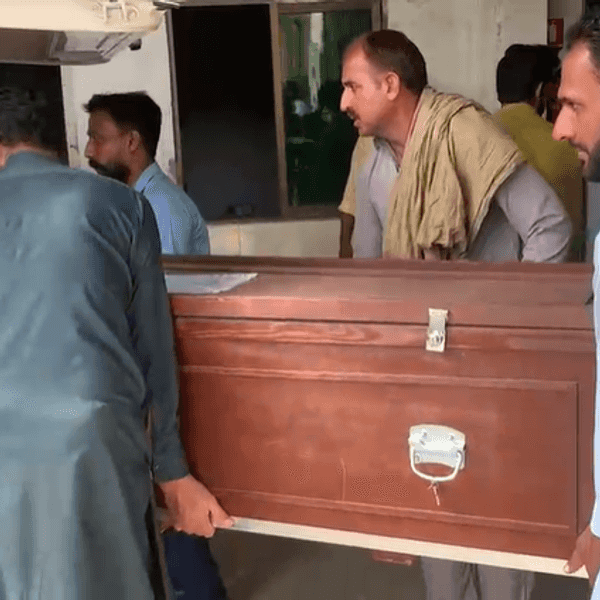
According to the Ministry of Defense, 165 ballistic missiles, two cruise missiles and 541 drones have been intercepted. Of the ballistic missiles fired toward the UAE, 152 were destroyed and 13 landed in the sea, while both cruise missiles were shot down. Of the drones detected, 506 were intercepted and 35 fell inside the country, killing three people — nationals of Pakistan, Nepal and Bangladesh — and injuring 58 others of various nationalities.
On Sunday alone, officials said 20 ballistic missiles were destroyed, eight fell into the sea, and two cruise missiles and 311 drones were intercepted, although 21 drones struck civilian areas.
In Abu Dhabi, two drones hit Al Salam naval base, sparking a fire in two containers. The defence ministry described the incident as a “blatant act of aggression” and said the UAE reserves the right to respond. No casualties were reported at the base.



Comments
See what people are discussing