


News Desk
The News Desk provides timely and factual coverage of national and international events, with an emphasis on accuracy and clarity.
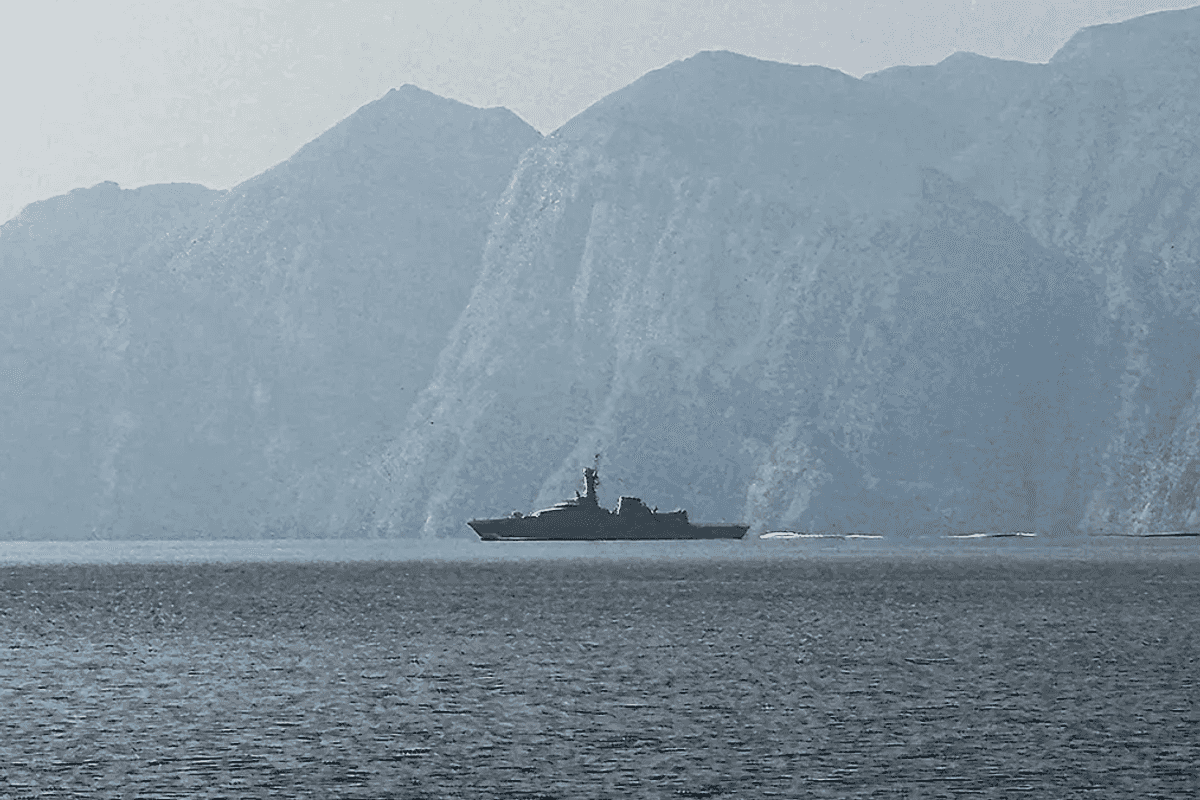
The UAE is pursuing a strategy to eliminate its dependence on the Strait of Hormuz for energy and trade flows, Minister of Foreign Trade Dr Thani Al Zeyoudi told Bloomberg.
The plan centers on expanding eastern coastal ports, building new pipelines, and developing road and rail links along the Gulf of Oman. "We're moving towards having zero Hormuz dependency," Dr Al Zeyoudi said.
What is the UAE's plan to reduce Strait of Hormuz dependency?
The UAE plans to significantly expand three eastern ports, Dibba, Fujairah and Khor Fakkan, all located outside the strait on the Gulf of Oman, and to develop at least one additional new harbor.
New pipeline, rail and road infrastructure will connect these ports to oil and gas production facilities across the country. The objective is to maintain export routes independently of the strait, regardless of regional disruptions.
What infrastructure is the UAE building to bypass the Strait of Hormuz?
In May, authorities announced accelerated work on a second pipeline that would double crude export capacity through Fujairah. The broader program is expected to support exports of crude oil, liquefied natural gas and petrochemicals, though no timeline or cost estimates have been disclosed. Dr Al Zeyoudi said feasibility studies are currently under way.
He added that recent geopolitical tensions had exposed infrastructure gaps the country now intends to address directly. The UAE has already partially offset disruptions by ramping up cargo imports through Khor Fakkan and oil exports from Fujairah. The new plan builds on that existing capacity with a longer-term structural shift.
How has the UAE's economy performed amid regional tensions?
Moody's Ratings said production and export volumes could remain below pre-conflict levels, but that higher global oil prices would likely offset the impact.
Official data showed the UAE economy expanded 6.2% year-on-year to 1.9 trillion dirhams ($517.2 billion) in 2025, supported largely by strong non-oil sector growth.
The Strait of Hormuz remains a critical global shipping chokepoint, and any sustained disruption carries wider consequences for regional and international energy markets.




Comments
See what people are discussing