


News Desk
The News Desk provides timely and factual coverage of national and international events, with an emphasis on accuracy and clarity.
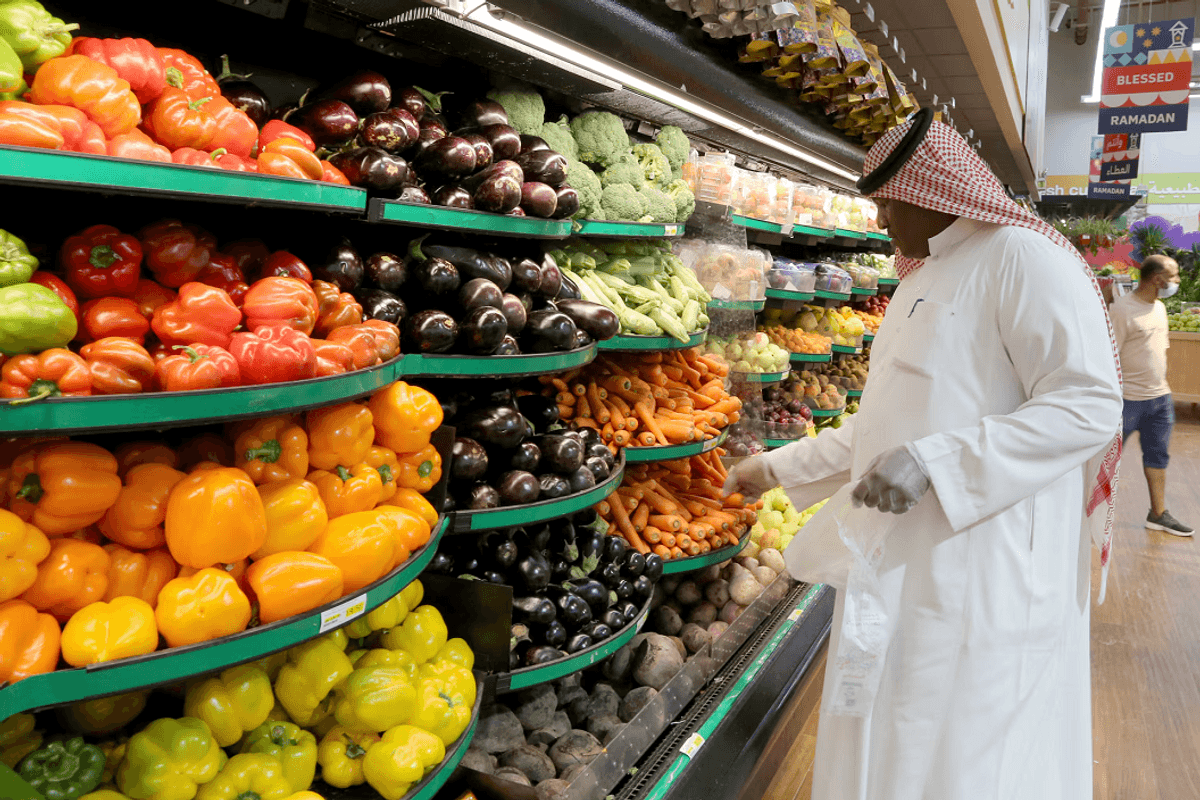
The Ministry of Economy and Tourism monitors availability and prices of essential goods to maintain market balance and protect consumers.
Reuters/File
Authorities in the United Arab Emirates have intensified market monitoring and supply chain coordination ahead of Ramadan to ensure sufficient supplies of essential goods and maintain price stability, the UAE state news agency WAM reported.
Federal and local authorities are collaborating with private sector partners to reinforce strategic food reserves and strengthen supply chains to meet heightened seasonal demand. According to trade data from DP World, retailers typically increase shipments of key food items through Jebel Ali Port six to eight weeks before Ramadan as part of early planning.
The Ministry of Economy and Tourism said it continues to monitor both the availability and pricing of essential commodities under a regulatory framework designed to maintain market balance and protect consumers. To this end, the ministry has held 26 meetings with major suppliers and importers to ensure steady product flows and prevent unwarranted price increases. During Ramadan, authorities plan to carry out 420 inspection visits to retail outlets to enforce pricing rules and prevent violations.
The ministry’s digital price monitoring system, covering 627 major outlets that account for over 90 percent of domestic trade in essential consumer goods, tracks price movements and flags unjustified changes. In 2025, authorities conducted 155,218 inspections, recording 7,702 violations, resolving 93.9 percent of consumer complaints, and recovering 551,976 products through recall procedures.
Local economic departments and consumer protection agencies have also stepped up inspections of wholesale and retail markets, including online platforms, to ensure price transparency and sufficient supply of high-demand items during Ramadan and ahead of Eid Al Fitr.
Major retailers have announced plans to boost inventories and launch seasonal promotions, offering discounts on staples including rice, flour, sugar, cooking oil, fresh produce, meat, poultry, and dates.





Comments
See what people are discussing