


News Desk
The News Desk provides timely and factual coverage of national and international events, with an emphasis on accuracy and clarity.
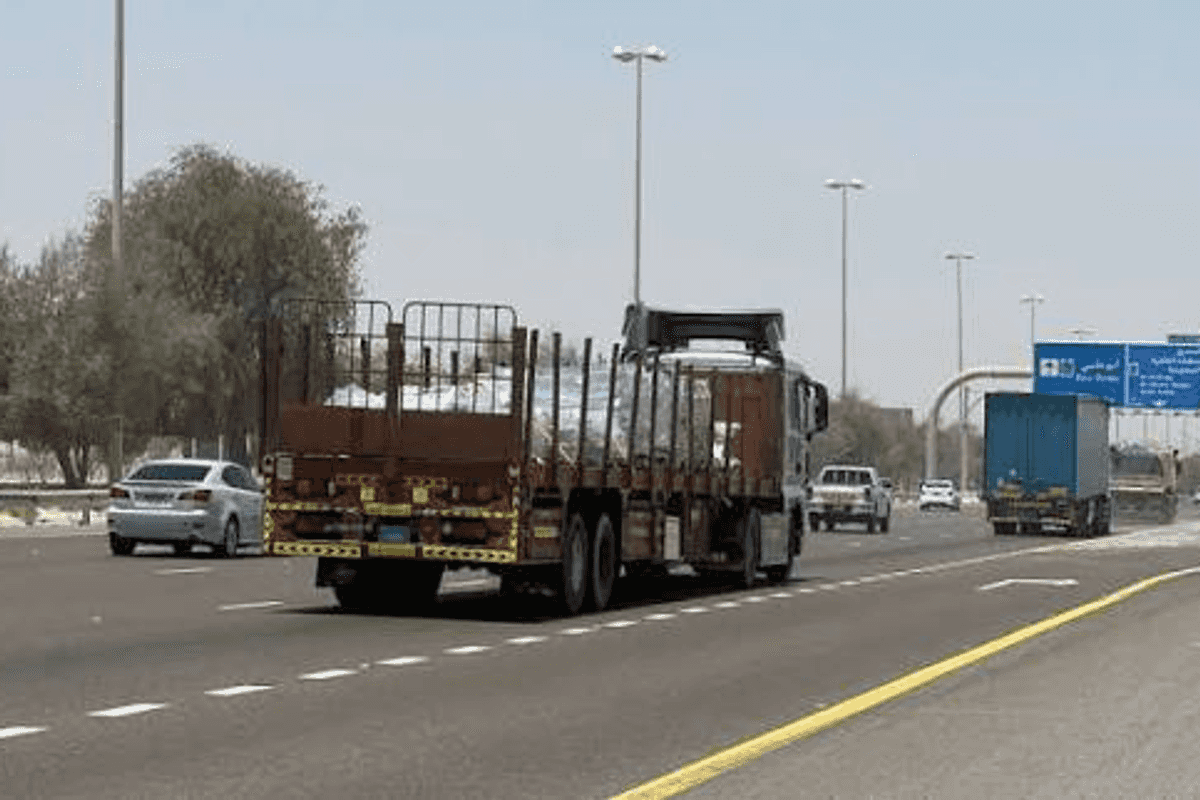
The UAE will cap daily driving at nine hours from January 1, 2027.
Sources: ARN
Some fleet operators in the UAE have stepped up driver-safety practices after two fatal crashes involving heavy vehicles in Fujairah and Ras Al Khaimah, ahead of a nine-hour daily driving limit due to take effect on January 1, 2027, according to Khaleej Times.
Others are relying on systems installed years ago.
What is the nine-hour driving limit in the UAE?
The UAE will cap daily driving at nine hours from January 1, 2027. Thomas Edelmann of RoadSafetyUAE said tachographs, which record driving time, speed and rest periods, would be central to checking that companies comply with the cap. He hopes the cap and its enforcement will help tackle driver fatigue.
Edelmann is founder and managing director of RoadSafetyUAE. "The new daily maximum 9 hours driving regime and its enforcement will hopefully be a game changer when it comes to driver fatigue and other performance indicators of both the truck and the driver," he said.
How can heavy-vehicle safety be improved?
Edelmann said heavy-vehicle safety rests on three elements: safe drivers, safe vehicles, and effective regulations and enforcement. He recommended psychometric testing early in a truck driver's career, ideally before driving school. He also called for continuous training, health checks and measures to ensure adequate sleep and proper nutrition.
He pointed to telematics and in-vehicle monitoring as tools for tracking vehicle and driver performance, including fatigue. He also urged other motorists to allow for trucks' longer stopping distances, blind spots and slower response to unexpected traffic situations.
What has Hotpack changed since the crashes?
Hotpack, a UAE manufacturer with a fleet of 400 commercial vehicles, said it has reinforced its emphasis on responsible driving since the crashes. Zainudeen PB, the company's Group COO and Executive Director, said this covers adherence to speed limits, safe following distances, lane discipline and keeping phones out of use at the wheel.
"For heavy vehicles, we place additional emphasis on safe loading, proper cargo securing and safe manoeuvring," he said. Drivers are also briefed on designated routes, vehicle movement restrictions and official safety advisories, particularly in bad weather.
On fatigue, Zainudeen said: "We prioritise appropriate working schedules, adequate rest periods and responsible duty allocation to minimise fatigue-related risks." The company's existing practices include daily vehicle safety checks, scheduled servicing, GPS monitoring, and continuous driver training in defensive driving, blind spots and emergency response.
Which companies are relying on established safety systems?
Jaleel Holdings, a diversified business group with a large commercial fleet, has not launched new measures since the crashes. Managing Director Sameer K Mohamed said the company has built up its preventive measures over many years. He welcomed the authorities' increase in preventive roadside checks.
Every vehicle in the fleet carries a Radio-Frequency Identification (RFID) system, and drivers need an individual card to start their vehicle, which lets the company track their driving hours. "If a driver is found to have exceeded the prescribed limits, we intervene to ensure that there are no fatigue-related incidents," Mohamed said.
The group also uses GPS monitoring to detect speeding and harsh braking. It carries out regular medical screening of fleet employees and inspects tyre pressure, brakes and lights on its vehicles every week.





Comments
See what people are discussing