

US federal judge blocks Trump administration rule restricting visas for foreign students and journalists
US District Judge F. Dennis Saylor issued a preliminary injunction on Monday halting a Department of Homeland Security policy that would cap international student visas at four years and limit foreign journalist stays to 240 days, one day before the restrictions were scheduled to take effect

News Desk
The News Desk provides timely and factual coverage of national and international events, with an emphasis on accuracy and clarity.
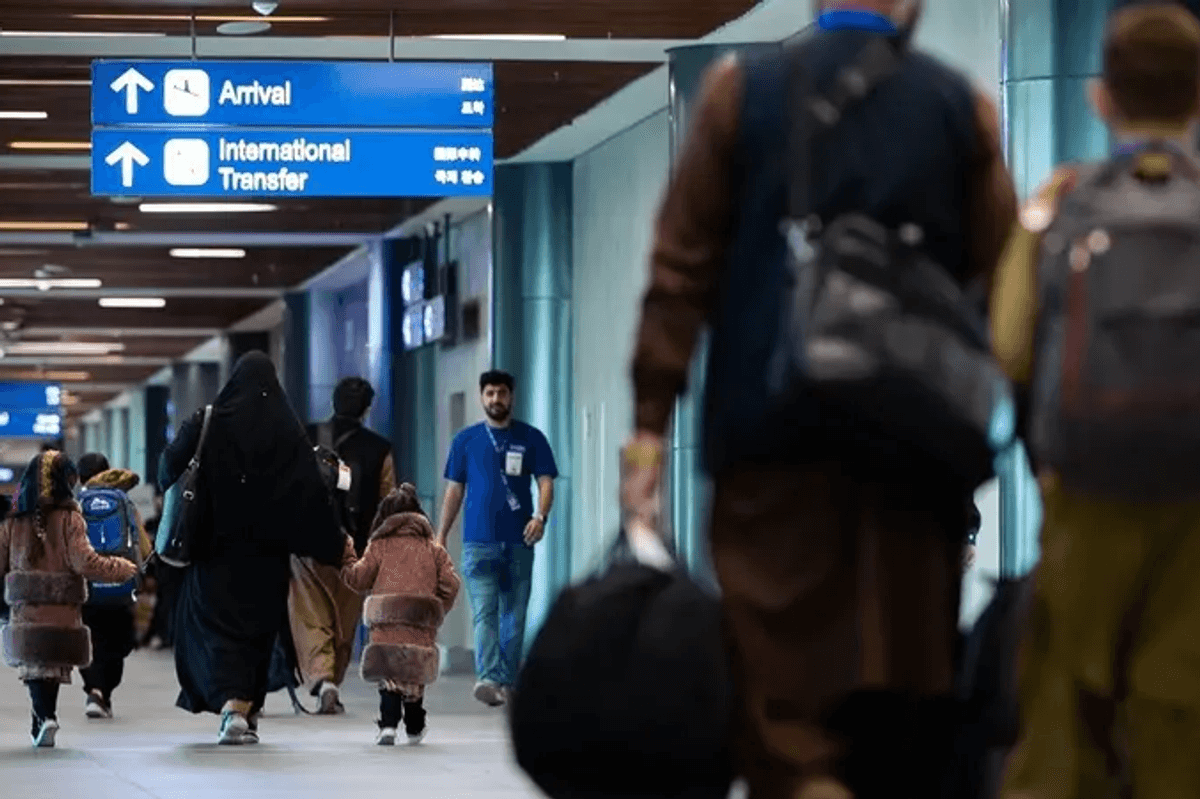
U.S. District Judge F. Dennis Saylor issued a nationwide preliminary injunction on Monday, blocking the Department of Homeland Security (DHS) from implementing a sweeping policy that would replace decades-old visa duration frameworks for foreign students, exchange visitors, and international journalists with strict, fixed time limits.
The court order halts enforcement just one day before the regulations were scheduled to take effect on Tuesday, September 15.
What changes does the proposed DHS visa rule mandate?
The contested DHS rule seeks to dismantle the long-standing "duration of status" framework, which has permitted international students to remain in the United States for the full length of their academic programs. Under the proposed policy:
- Student and Exchange Visas (F and J Visas): International students and cultural exchange visitors would be limited to a maximum admission period of up to four years, requiring formal extension applications to complete longer degree programs.
- Foreign Journalist Visas (I Visas): Representatives of foreign media outlets—currently permitted to stay for up to five years—would be capped at 240 days (around eight months), with extension requests subject to administrative approval.
- Journalists from China: Chinese media personnel face heightened restrictions, with visa validity capped at 90 days, renewable only in 90-day increments.
Why did the judge express skepticism toward the DHS policy and its impact?
The injunction follows a lawsuit filed by a coalition of higher education advocacy groups, labor unions, and media organizations. In a memorandum accompanying his decision, Judge Saylor expressed strong skepticism regarding DHS's justification, calling the agency's reliance on national security grounds "exceptionally weak" and an argument that "borders on the absurd".
Saylor noted that the existing framework enabled tens of millions of foreign scholars to drive "groundbreaking research in science, medicine, and technology, substantial economic growth, and a host of other benefits".
The judge warned that under the new system, visa extension denials would be entirely discretionary and unappealable. Saylor highlighted "rampant" possibilities for government abuse, specifically citing the risk that foreign journalists who publish reporting critical of the administration could have their extensions arbitrarily denied. The court scheduled the next hearing on the merits of the case for October 2, 2026.



Comments
See what people are discussing