

US-led coalition concludes military mission in Iraq after more than a decade
The US-led military coalition against Islamic State forces officially ends its mission in Iraq on Wednesday, as Prime Minister Ali al-Zaidi declares October 1 'Sovereignty Day' amid lingering security concerns and militia disarmament challenges

News Desk
The News Desk provides timely and factual coverage of national and international events, with an emphasis on accuracy and clarity.
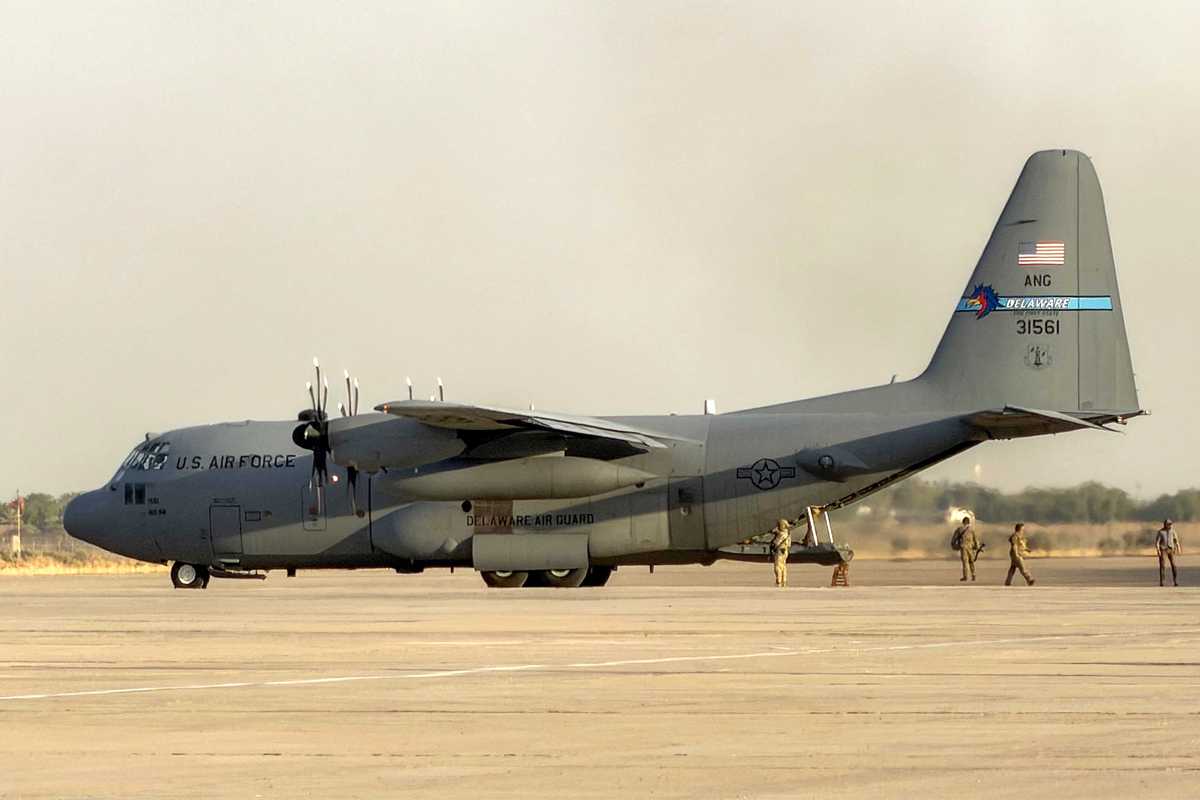
A US Air Force C-130 Hercules military transport aircraft prepares for takeoff from Camp Victory on the outskirts of Baghdad International Airport on September 29, 2026.
AFP
The U.S.-led international military coalition officially concludes its operational mission in Iraq on Wednesday, withdrawing its remaining security personnel from bases in the autonomous Kurdistan region after more than a decade of joint counter-terrorism operations.
How does Iraq plan to mark the end of the coalition mission?
Following bilateral agreements established in 2024 between Baghdad and Washington to phase out anti-ISIS coalition operations, coalition forces completed their staged departure from central bases across the country, consolidating briefly in Erbil ahead of Wednesday's final drawdown. Iraqi Prime Minister Ali al-Zaidi declared October 1 a national "Sovereignty Day" to mark the completion of the withdrawal, with the Iraqi Cabinet establishing an official four-day holiday through October 3 to mark the transition.
In a joint statement issued by executive, legislative, and judicial leaders, Iraqi leadership hailed the departure as a historic moment confirming the full restoration of state sovereignty. Prime Minister Zaidi emphasized that ending the foreign military presence removes the primary rationale cited by non-state armed groups to maintain independent arsenals, reiterating the government's commitment to consolidating the state's monopoly on weapons.
What security and political challenges remain following the withdrawal?
Despite public celebrations, significant security and political friction persist across the country:
- Militia Disarmament Standoff: While hardline Tehran-backed factions like Kataeb Hezbollah welcomed the departure of foreign troops as a step toward sovereignty, major armed groups continue to resist government directives to lay down their weapons, demanding an end to broader U.S. political and economic influence in Baghdad.
- Regional Security Vulnerabilities: Authorities and residents in Erbil expressed heightened concern over the departure of coalition air defense interceptors, citing ongoing vulnerability to drone and missile strikes amid broader Middle East regional conflicts.
- Persistent Counter-Terrorist Operations: Although ISIS lost its territorial hold in Iraq in 2017 and Syria in 2019, military officials warn that remnant sleeper cells in rural regions continue to pose localized security risks.
According to reporting by Al Jazeera and The National, the conclusion of the coalition's combat mission reorients future security relations between Washington and Baghdad toward structured bilateral defense partnerships and diplomatic engagement.




Comments
See what people are discussing