

US sanctions ICC chief Tomoko Akane of Japan amid campaign against tribunal
United States imposed financial sanctions and travel bans on ICC President Tomoko Akane and Senior Trial Lawyer Abdoulaye Seye, triggering swift condemnation from international human rights groups and European diplomats

News Desk
The News Desk provides timely and factual coverage of national and international events, with an emphasis on accuracy and clarity.
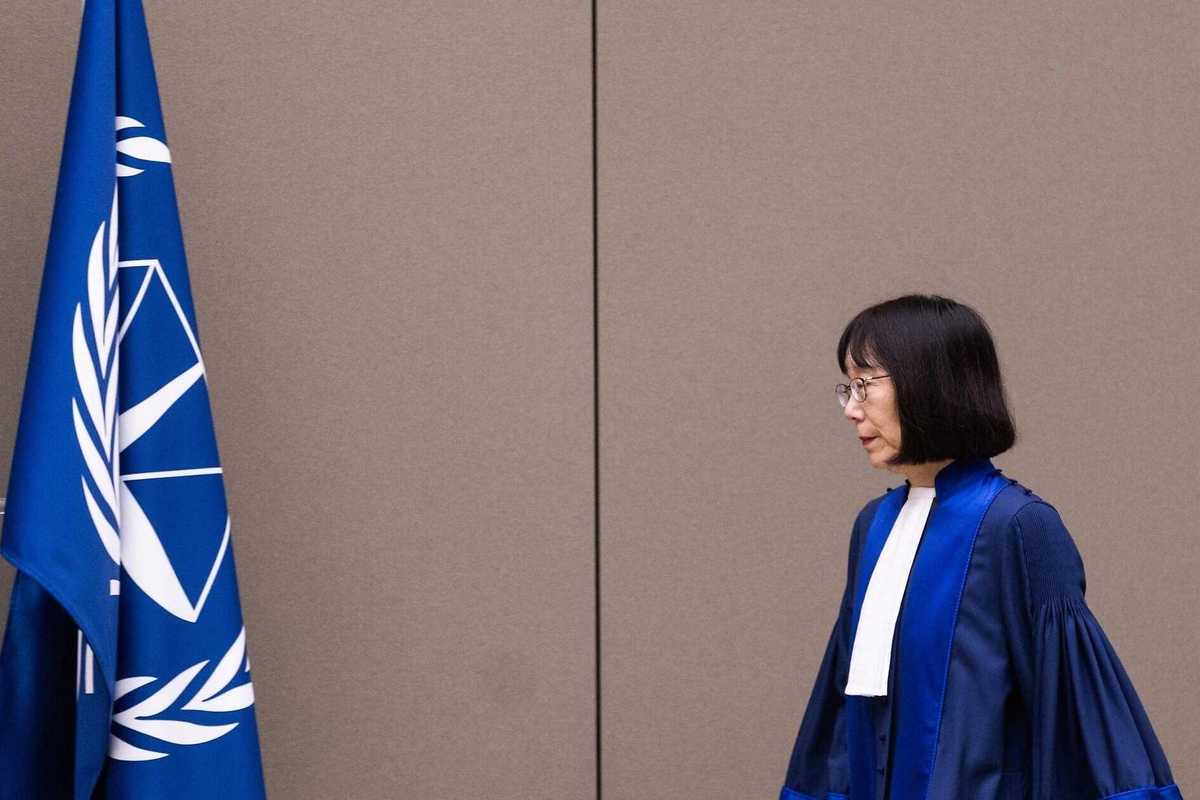
The United States imposed sanctions against International Criminal Court (ICC) President Tomoko Akane of Japan.
AFP
The United States imposed sanctions against International Criminal Court (ICC) President Tomoko Akane of Japan and Senior Trial Lawyer Abdoulaye Seye of Senegal on Tuesday.
The Trump administration accused the Hague-based court of being politicized and exceeding its international jurisdiction.
Why did the US sanction ICC President Tomoko Akane?
US Secretary of State Marco Rubio stated that the designated court officials directly participated in efforts to investigate and prosecute personnel from governments that have not accepted ICC jurisdiction. The financial sanctions and travel bans freeze any US-based assets held by Akane and Seye while barring them from entering the United States or conducting transactions within the American financial system.
The US measures represent an escalation in Washington's ongoing diplomatic push against the international tribunal. The Trump administration strongly opposes ICC investigations into American service members as well as arrest warrants issued in 2024 for Israeli Prime Minister Benjamin Netanyahu over the war in Gaza. Neither the United States nor Israel has ratified the Rome Statute establishing the court.
The ICC responded by declaring that US sanctions undermine the global rule of law and endanger judicial independence. The court affirmed it remains undeterred and fully committed to protecting victims of severe atrocities.
How did international leaders and human rights groups react to the sanctions?
Israeli Prime Minister Benjamin Netanyahu welcomed the US sanctions, labeling the ICC a kangaroo court that abuses its authority under the guise of international law. Conversely, Dutch Foreign Minister Tom Berendsen expressed disapproval, emphasizing that international tribunals must be allowed to fulfill their mandates freely.
Human Rights Watch criticized the measures as an attempt to shield American and Israeli officials from accountability. Four human rights organizations recently filed a lawsuit against the US administration in a New York federal court, arguing that executive sanctions unlawfully restrict war crime victims from seeking justice.
The latest action follows Washington's broader diplomatic efforts urging partner nations to withdraw from the Rome Statute. The ICC expressed deep concern over recent withdrawal announcements, warning that such exits risk eroding global justice mechanisms. Despite mounting international pressure, court officials reaffirmed their commitment to maintaining independent operations.





Comments
See what people are discussing