

US threatens Iran with naval blockade and historic sanctions as China pushes diplomacy
US Treasury Secretary Scott Bessent announced the 'toughest sanctions in history' against Iran alongside an ongoing naval blockade, threatening secondary penalties against third nations

News Desk
The News Desk provides timely and factual coverage of national and international events, with an emphasis on accuracy and clarity.
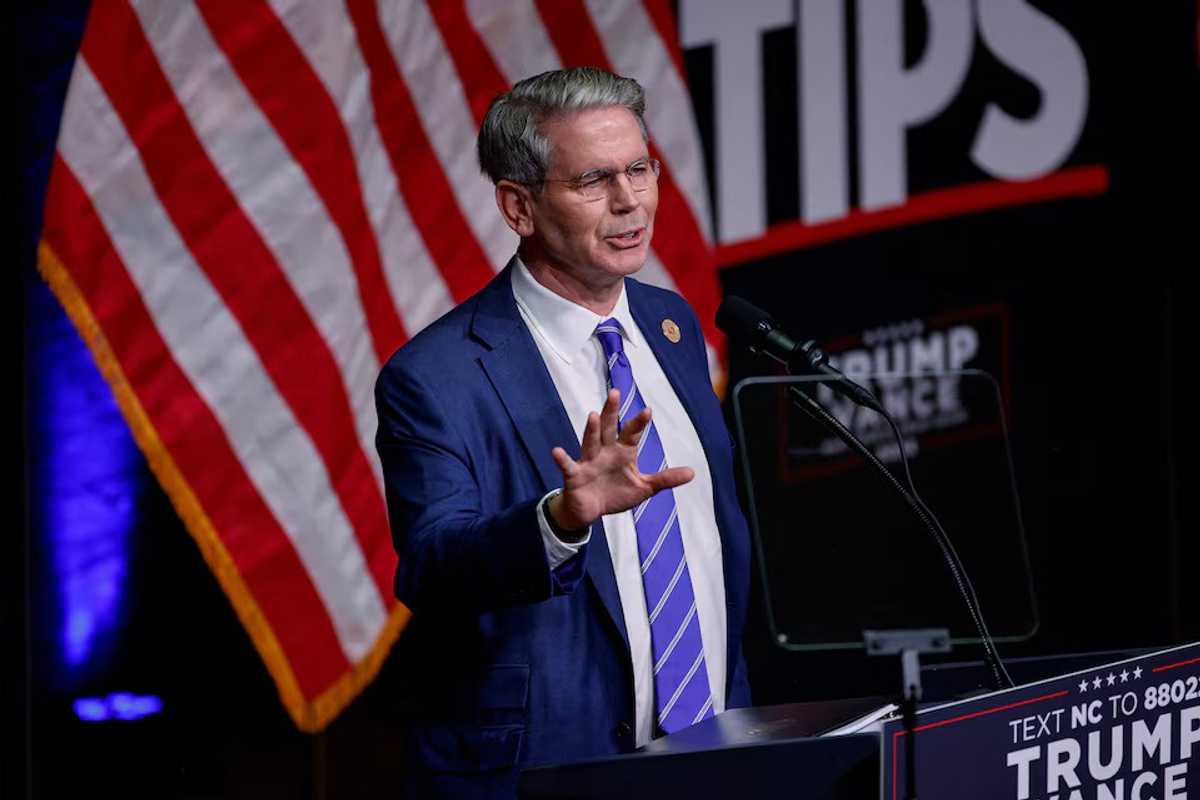
United States Treasury Secretary Scott Bessent announced on Thursday that Washington will impose unprecedented economic sanctions on Iran, describing the measures as the "toughest in history".
The economic offensive, paired with an ongoing naval blockade, aims to collapse the Iranian regime's financial capacity without escalating major military operations.
Why is the US imposing maximum economic pressure on Iran?
Treasury Secretary Scott Bessent stated that maximum economic sanctions combined with a naval blockade form a "one-two punch" designed to isolate Tehran from global markets. Addressing the impact on global oil markets, Bessent argued that aggressive financial isolation reduces the necessity for a large-scale military restart while cutting off funding for Iran's regional proxies.
President Donald Trump issued a warning that any nation or foreign entity providing financial, commercial, or logistical lifelines to Tehran will face severe economic consequences. The economic push comes as shipping through the Strait of Hormuz remains severely restricted, driving up global energy prices and impacting roughly a fifth of world oil trade.
Coverage from Anadolu Agency notes that Washington intends to force foreign institutions to choose between conducting business with the United States or remaining engaged in Iranian commerce. The administration confirmed that detailed sanction protocols will be unveiled during a formal press briefing on Monday.
How are Iran and China responding to Washington's sanctions threat?
Iranian Foreign Minister Abbas Araghchi strongly condemned the US measures, labeling the policy "economic terrorism" that violates international law and global economic sovereignty. Araghchi dismissed the campaign as a political tactic aimed at distracting the American public from domestic economic issues, including rising national debt and high interest rates.
China, which purchases over 80 percent of Iran's seaborne crude oil exports according to Kpler energy data, rejected Washington's unilateral sanctions. Channel NewsAsia highlights that the Chinese Embassy in Washington urged all parties to prioritize political dialogue, stating that economic pressure and unilateral blockades will not resolve Middle Eastern security crises.
Beijing emphasized that stable energy transit through the Gulf remains critical for international commerce, as China relies on the region for half of its energy imports. Diplomatic observers note that extending secondary sanctions against major trading partners risks triggering trade retaliation and further economic instability across global energy markets.





Comments
See what people are discussing