

World Bank forecasts 23% rise in global commodity prices in 2026
Energy prices are expected to jump 32%, while food commodity prices could climb 18% over two years amid conflict and supply disruptions

Business Desk
The Business Desk tracks economic trends, market movements, and business developments, offering analysis of both local and global financial news.
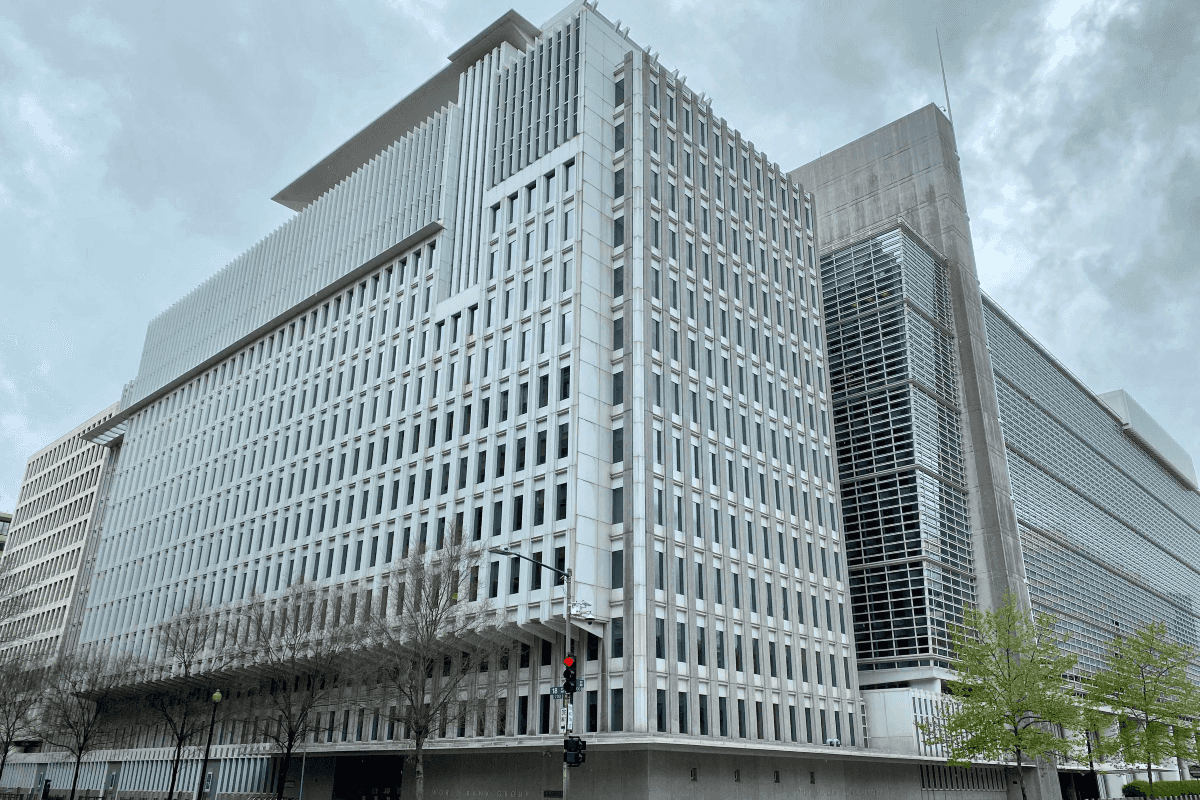
The World Bank Group building is viewed on an empty street in Washington, DC, US, April 13, 2020.
AFP
The World Bank's global commodity price index, which excludes precious metals, is expected to rise 23% in 2026 as conflict in the Middle East, disruptions to energy and food supplies, and extreme weather risks put pressure on international markets, according to its latest Commodity Markets Outlook.
The World Bank projects a 32% increase in energy prices this year, reversing three consecutive years of declines and taking them to their highest level in four years.
Brent crude oil is forecast to average USD 91 per barrel in 2026, compared with USD 69 in 2025, before easing to USD 79 in 2027.
Food commodity prices are expected to increase about 10% in 2026 and another 7% in 2027, a cumulative rise of approximately 18%. Disrupted grain shipments, the effects of El Niño on harvests, and higher fuel and fertilizer costs are expected to contribute to the increases.
Overall commodity prices are forecast to decline 7% in 2027, although the outlook depends on whether conflicts and supply disruptions worsen.
What could push commodity prices even higher?
The forecasts assume that conflicts affecting global commodity supplies do not intensify significantly. A further escalation in the Middle East, prolonged damage to Russian oil infrastructure, disruptions to Black Sea grain shipments and a particularly strong El Niño could drive energy and food prices substantially above the World Bank's baseline forecasts.
Under an adverse scenario combining these risks, Brent crude could average USD 105 per barrel in 2027, while food commodity prices could exceed baseline projections by 12%, rising above their 2022 levels.
The World Bank warned that such developments could trigger a food crisis resembling the early 2010s, potentially pushing more people into extreme poverty.
“Commodity markets are being hit by several major shocks at once,” said Ayhan Kose, the World Bank's deputy chief economist and director of the Prospects Group.
Kose warned that rising energy costs and trade disruptions could worsen inflation, food insecurity and economic growth, particularly in low-income countries already facing heavy debt burdens.
How is the Middle East conflict affecting global oil supplies?
The World Bank expects global oil production to fall 5.2% in 2026, the largest annual decline in more than four decades outside the 2020 global recession.
Oil consumption is also projected to decline 2.5%, marking the third-largest annual contraction on record after 2020 and 1980.
High prices and supply shortages are reducing demand, while the shift toward electric vehicles is also limiting oil consumption, particularly in China.
However, global production remains below consumption, requiring further withdrawals from oil inventories and leaving markets increasingly vulnerable to additional supply disruptions.
What is the outlook for fertilizers and metals?
Fertilizer prices are forecast to rise 14% in 2026 following a surge in urea prices earlier in the year. The World Bank expects fertilizer prices to return to their 2025 levels in 2027.
The World Bank's metals and minerals price index is projected to increase 25% in 2026, reaching a new high as aluminum, copper and tin prices hit records.
The increases reflect strong demand from renewable energy projects, electric vehicles and data centers, alongside supply disruptions. Metals prices are expected to decline 3% in 2027.
Precious metals prices are forecast to climb 40% in 2026 as investors seek safer assets amid geopolitical and economic uncertainty.
Although precious metals prices are expected to moderate in 2027, they could remain more than three times their average level during 2015–2019.
How is the World Bank supporting affected countries?
The World Bank Group has made USD 50 billion to USD 60 billion available through existing financing arrangements to help countries manage the economic consequences of higher commodity prices.
This includes USD 25 billion in pre-arranged financing that can support social protection programs, strengthen government finances and provide liquidity and working capital to businesses and agricultural producers.
The institution is also expanding efforts to attract private investment alongside its own financing, with an emphasis on creating employment opportunities in developing countries.
How do price shocks spread between commodity markets?
The report also examined how price movements in one commodity market can affect prices in others, finding that these connections become stronger during periods of economic or financial stress.
Industrial metals generally transmit the greatest price volatility to other commodity groups, according to the report.
However, oil has become a more significant source of volatility across commodity markets since the outbreak of the Middle East conflict, increasing the risk that disruptions in energy supplies will affect other sectors.





Comments
See what people are discussing