

World Bank projects 3% growth for Pakistan in FY26, warns floods still weigh on economy
Recent floods, agriculture losses, and global uncertainty expected to slow near-term growth despite improving stability

Business Desk
The Business Desk tracks economic trends, market movements, and business developments, offering analysis of both local and global financial news.
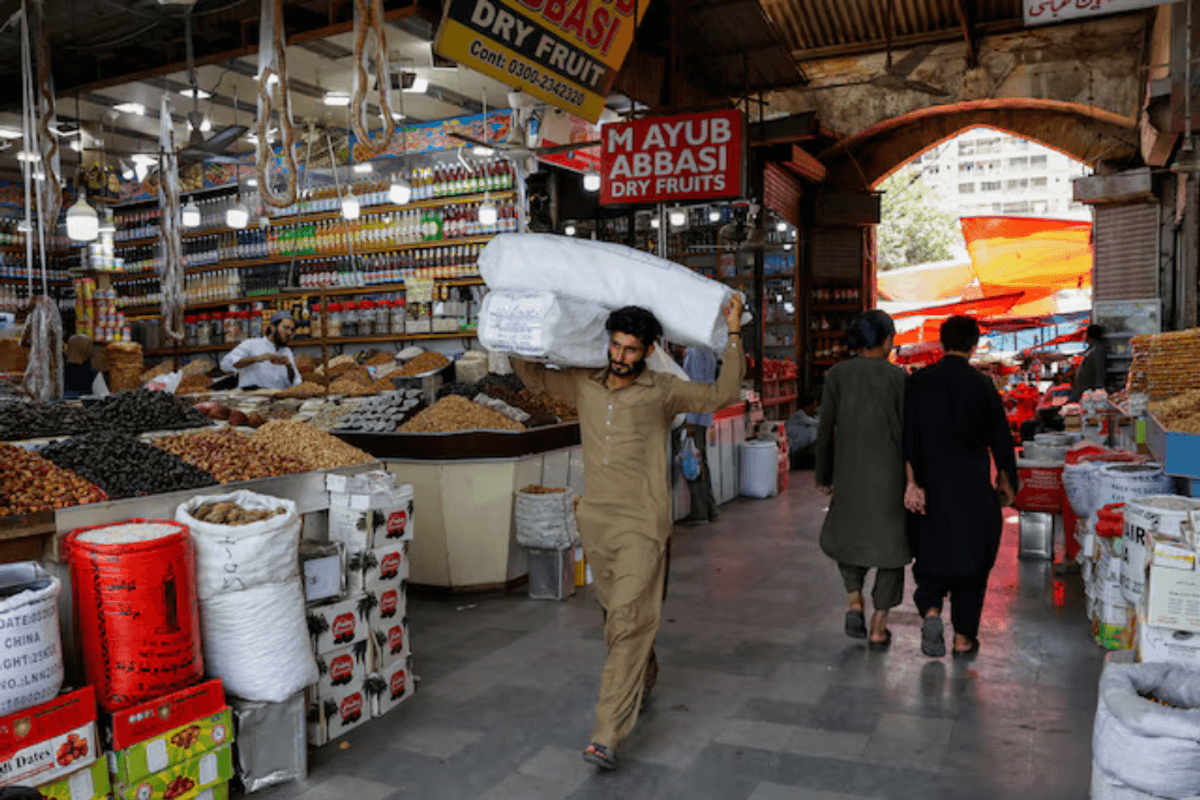
A man walks with sacks of supplies on his shoulder to deliver to a nearby shop at a market in Karachi, Pakistan June 11, 2024
Reuters
Pakistan’s economy is projected to grow 3.0% in the current fiscal year ending June 2026, with a modest uptick to 3.4% in FY27, as lingering flood impacts, fiscal tightening, and climate vulnerabilities continue to constrain growth, the World Bank said Monday.
The projections were released in the World Bank’s latest Pakistan Development Update: Staying the Course for Growth and Jobs, which emphasized that economic stability and reform continuity remain crucial for sustaining recovery. The report noted that Pakistan’s economy expanded by 3.0% in FY25, up from 2.6% the previous year, driven by a rebound in industrial activity and a stronger services sector.
“Pakistan’s recent floods have imposed significant human costs and economic losses, dampening growth prospects and adding pressure on macroeconomic stability,” said Bolormaa Amgaabazar, the World Bank’s country director for Pakistan. “Staying the course on reforms and accelerating job creation is critical to maintaining growth, along with strengthening social safety nets and infrastructure that protects the most vulnerable citizens.”
The report said fiscal tightening and prudent monetary policy helped anchor inflation and support both current account and primary fiscal surpluses despite a challenging domestic and global environment. Improved confidence boosted industrial and services activity, even as agriculture underperformed due to adverse weather and pest infestations.
While the economic outlook remains broadly stable, the World Bank said recent floods have caused “significant impact on people and damage to urban areas and agricultural land”, weighing on near-term growth.
Real GDP growth is projected to stay at 3.0% in FY26 before rising to 3.4% in FY27, assuming continued macroeconomic stability and reform commitment. However, growth will likely remain constrained as the government maintains tight fiscal policies to rebuild buffers amid global uncertainty and heightened climate risk.
“Sustaining progress will require a balanced mix of revenue and expenditure measures to manage flood impacts while maintaining fiscal consolidation,” said Mukhtar Ul Hasan, the report’s lead author. “Urgent implementation of priority fiscal reforms is essential, including broadening the tax base, strengthening tax administration, and reducing the state’s footprint in the economy through state-owned enterprise divestiture and rationalizing the public sector.”
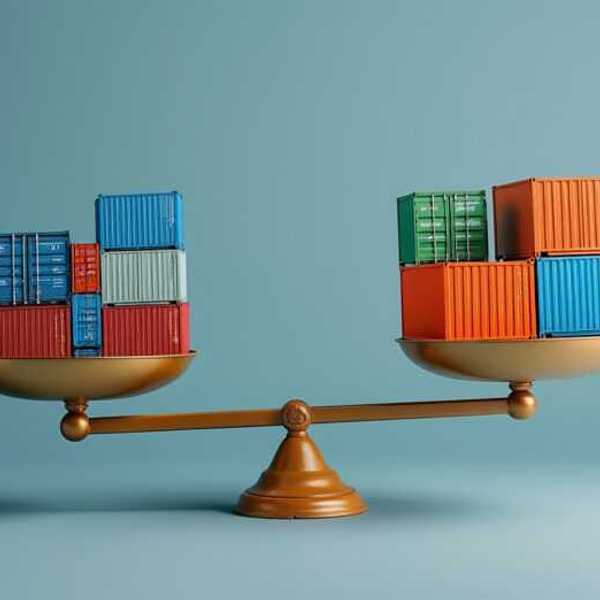
The report’s special focus chapter underscored that boosting exports is essential for long-term stability. Pakistan’s exports have fallen from 16% of GDP in the 1990s to around 10% in 2024, leaving growth dependent on debt and remittance-fueled consumption and contributing to recurring boom-bust cycles.
High tariffs, cumbersome regulations, and costly energy and logistics have hindered export competitiveness, the report said, adding that recent tariff reforms are an important step toward greater openness. It called for a broader reform package, including a market-determined exchange rate, stronger trade finance, improved logistics and compliance systems, deeper trade agreements, and expansion of digital and energy infrastructure to enable export-led growth, particularly in the IT services sector.
“The government has placed export growth at the center of its development agenda and has made important strides in tackling policy and structural barriers, most recently through the approval of the National Tariff Policy, which will help lower costs for critical imported inputs,” said report co-author Anna Twum. “However, tariff reforms alone will not suffice and must be complemented by broader measures to strengthen trade finance, enhance trade facilitation, and expand access to export markets.”


Comments
See what people are discussing