

Pakistan lawmakers question credibility of Anmol drug trafficking investigation
Pakistani legislators raised doubts about the Anmol cocaine network case after testimony revealed the suspect held 2,500 contacts, including law enforcement officials

Ali Hamza
Correspondent
Ali; a journalist with 3 years of experience, working in Newspaper. Worked in Field, covered Big Legal Constitutional and Political Events in Pakistan since 2022. Graduate of DePaul University, Chicago.
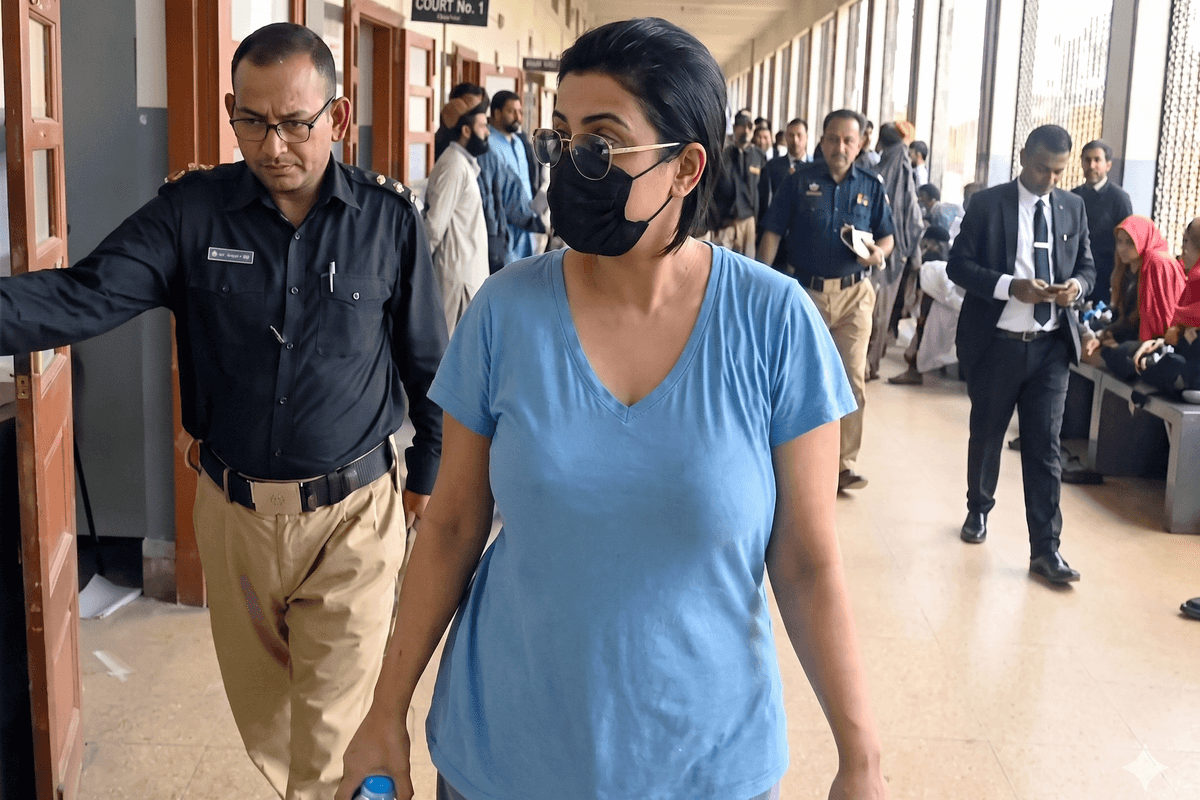
Pakistani lawmakers this week questioned the credibility of a major drug trafficking investigation after hearing that a suspect, identified as Anmol, maintained more than 2,500 contacts on her mobile phone.
Additional Inspector General Azad Khan presented the testimony to standing committees of both the National Assembly and Senate.
What is the Anmol drug trafficking case in Pakistan?
Anmol is accused of running an international drug smuggling network through online platforms for 18 years before relocating to Karachi in 2018.
Authorities say her contact list included law enforcement officials, foreigners and prominent citizens across Pakistan's major cities.
What did investigators find on the suspect's phone?
Of the 2,500-plus contacts recovered, 1,635 were linked to the suspect's ex-husband, identified as a drug smuggler, while 883 were connected to business operations. Between 275 and 300 contacts belonged to customers in Karachi. Investigators also identified 65 permanent customers by name.
Khan told the committees that the contacts spanned law enforcement officials, foreign nationals and prominent citizens in Pakistan's major cities. Sindh Police said in a post on X that lists circulating online about the suspect's contacts were fake.
How did the drug network allegedly operate?
Khan said the operation relied on an international supply chain involving what he described as an "African gang." Drugs were sourced online from abroad, mixed with chemicals, and distributed to customers in Karachi, Lahore, Islamabad, Khyber Pakhtunkhwa and Balochistan using motorcycle delivery riders.
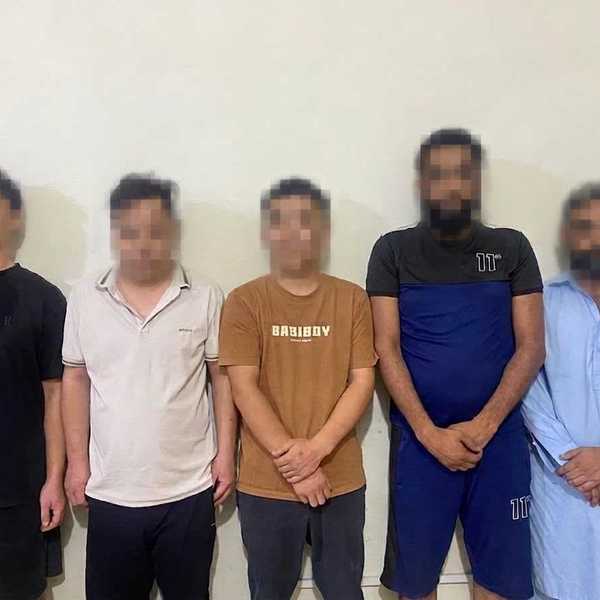
Authorities recovered 1.5 kilograms of cocaine and 7 kilograms of controlled substances following the arrest. Two brothers, two women and several foreign nationals were also arrested in connection with the alleged network.
Which law enforcement agencies are implicated?
Khan said the investigation categorized individuals into three groups: suspects directly linked to the network, accomplices within law enforcement agencies, and drug users described as students from colleges and schools. The implicated agencies included the Anti-Narcotics Force, Sindh Police and Punjab Police, though Khan declined to identify individuals during the public session.
The case has already led to the suspension of a senior superintendent of police, a station house officer, a sub-inspector and a constable. Authorities said 25 criminal cases have been registered against Anmol, including 21 by Karachi Police and four by Punjab authorities.
What concerns did lawmakers raise about the investigation?
Lawmaker Abdul Qadir Patel suggested that delivery companies found connected to the distribution network should be banned. He also argued that authorities focused too heavily on low-level drug users while wealthier cocaine users escaped scrutiny.
"I can personally confirm through intelligence that dozens of such networks are operating in Karachi, Lahore, and Islamabad," Patel told the meeting.
Lawmaker Agha Rafi Ullah questioned why authorities initially stated the suspect had been arrested in Lahore if the apprehension took place in Karachi. Khan said the operation was intelligence-based and intended to "trap criminals" but provided no further detail.
Can prosecutors secure a conviction in Pakistan's drug trafficking case?
Legal experts and lawmakers warned the prosecution could face serious obstacles. Khawaja Izhar-ul-Hassan, a lawmaker and lawyer, predicted the suspect could secure bail within months and cautioned that evidence might later disappear.
Khan said investigators would rely on mobile phone data analysis and financial transaction records to build the prosecution's case.
He promised all details would be included in the formal charge sheet and declined to confirm whether any prominent political figures appeared in the phone records. "We'll present everything against her in the challan," he told the committees.



Comments
See what people are discussing