

APTMA urges Punjab to halt plan to convert CCRI Multan land into gymkhana club
Textile body warns move would undermine cotton research, worsen production decline and increase reliance on costly imports

Business Desk
The Business Desk tracks economic trends, market movements, and business developments, offering analysis of both local and global financial news.
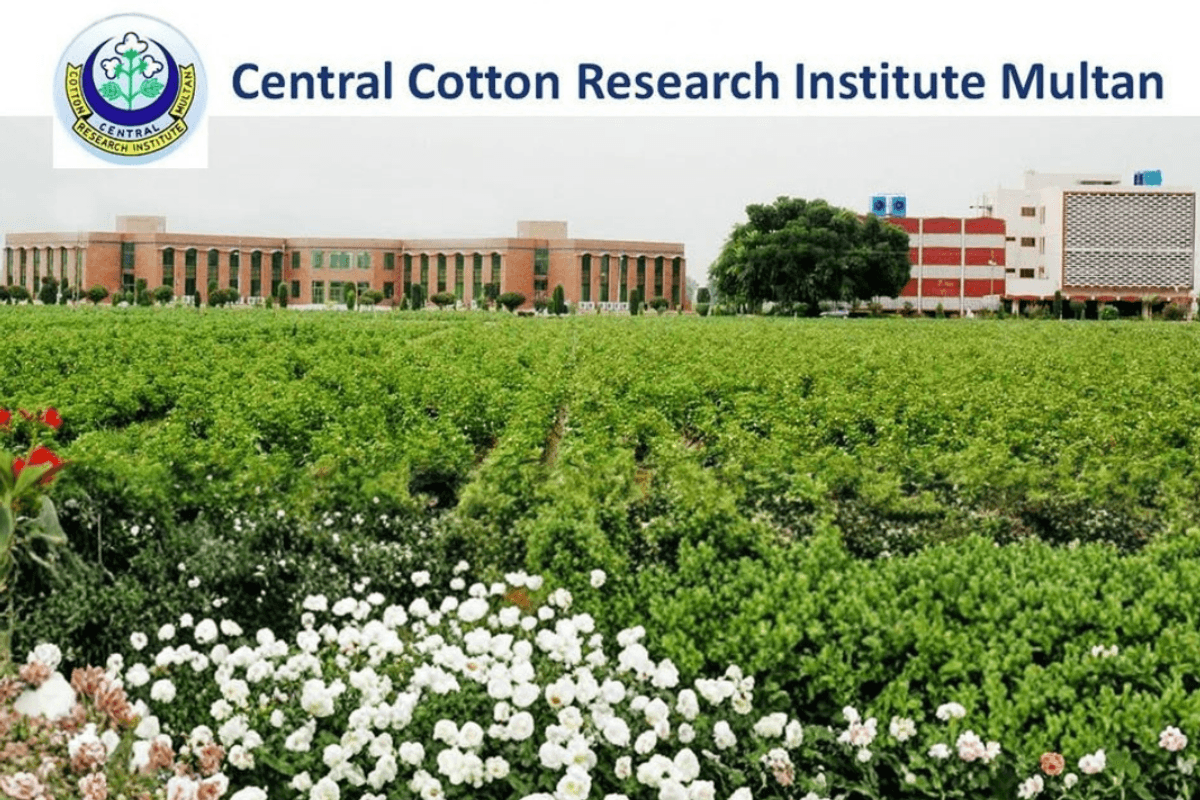
Central Cotton Research Institute Multan, Pakistan
CCRI, Facebook
The All Pakistan Textile Mills Association (Aptma) has urged the Punjab government to immediately abandon any proposal to convert land belonging to the Central Cotton Research Institute (CCRI) in Multan into a gymkhana club, warning that the move could damage Pakistan’s struggling cotton sector and weaken national research capacity.
In a strongly worded letter addressed to Punjab authorities, Aptma Chairman Kamran Arshad described CCRI Multan as one of Pakistan’s key cotton research institutions operating under the Pakistan Central Cotton Committee (PCCC).
Aptma said the institute was established and funded through a cotton cess collected from the textile industry specifically to support research, seed development, pest management and efforts to revive the cotton economy.
The association highlighted a steep decline in Pakistan’s cotton production, stating that output has fallen from nearly 14 million bales to around 5 million bales in recent years.
According to Aptma, the decline in domestic cotton production has forced Pakistan to spend billions of USD on cotton imports, putting additional pressure on foreign exchange reserves while also affecting textile exports, farmers and rural livelihoods.
The textile body warned that converting CCRI land for recreational or commercial use at a time of severe agricultural and economic challenges would send “an extremely negative signal” to both the farming and textile sectors.
Aptma said weakening the country’s cotton research infrastructure would directly contradict ongoing national efforts to revive cotton production and reduce dependence on imports.
The association also referred to the recent policy direction approved by the Cabinet Committee on Essential Crops, chaired by the deputy prime minister, for the establishment of a Pakistan Cotton Board.
According to Aptma, the proposed board is intended to strengthen cotton research, improve governance and ensure the effective use of cotton cess for the benefit of farmers and industry stakeholders.





Comments
See what people are discussing