

Arif Habib-led group to acquire additional 25% stake in PIA
Consortium agrees to acquire additional 25%, expand fleet
Haris Zamir
Business Editor
Experience of almost 33 years where started the journey of financial journalism from Business Recorder in 1992. From 2006 onwards attached with Television Media worked at Sun Tv, Dawn Tv, Geo Tv and Dunya Tv. During the period also worked as a stringer for Bloomberg for seven years and Dow Jones for five years. Also wrote articles for several highly acclaimed periodicals like the Newsline, Pakistan Gulf Economist and Money Matters (The News publications)
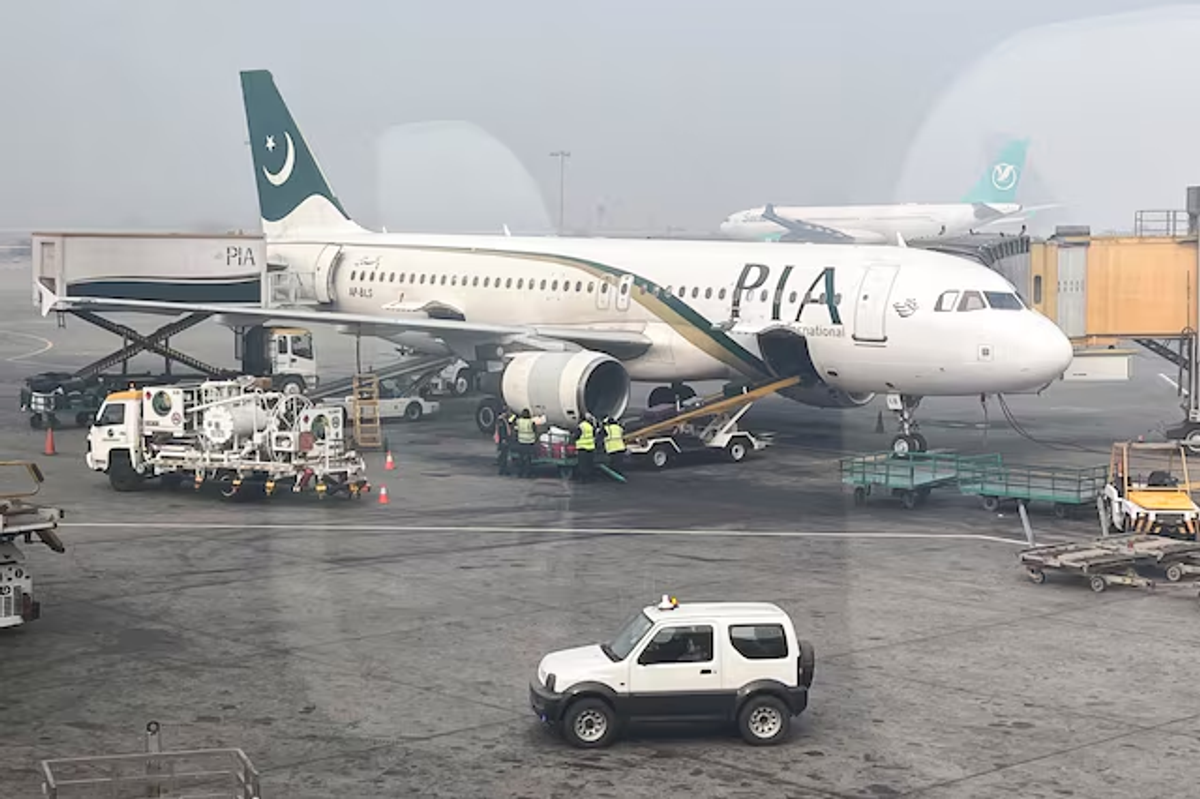
The Arif Habib Group-led consortium has agreed to acquire an additional 25% stake in Pakistan International Airlines, with plans to increase the national carrier’s fleet to 60 aircraft, government officials said Tuesday as Pakistan completed a long-delayed privatization process.
Privatization Adviser Muhammad Ali, speaking at a news conference alongside Information Minister Attaullah Tarar, noted the bidding process for PIA concluded successfully a day earlier, ending nearly two decades of failed attempts to sell a stake in the loss-making airline.
“The entire nation deserves congratulations,” Ali said. “The first attempt to privatize PIA was made in 2005. After 20 years, we have finally succeeded.”
He credited the prime minister, the country’s military leadership, the deputy prime minister, the federal cabinet and the privatization team for their roles in completing the process.
Once a major international carrier, PIA now operates 18 aircraft, down from about 50 in its peak years, Ali said. Of the 18 planes currently in service, 12 are leased and six are owned by the airline. PIA operates flights from 13 cities and serves about four million passengers, with roughly 6,700 employees.
Ali said the airline operates a total fleet of 30 aircraft and holds about a 30% share of Pakistan’s domestic aviation market. He described PIA as a regional rather than global airline, noting it once served 40 destinations and now flies to about 30.
Under the privatization plan, PIA’s real estate assets are not included in the sale. Ali said the airline has assets worth more than PKR 191 billion ($690 million) and liabilities exceeding PKR 182 billion.
Of a total transaction value of about PKR 180 billion, PKR 55 billion will go to the government, while PKR 125 billion will be injected into PIA to stabilize operations.
Ali rejected criticism of the sale, saying it ignored the airline’s financial realities. He said PIA accumulated losses of about PKR 700 billion over time, with nearly PKR 500 billion in losses borne by the government and taxpayers over the past decade.
As part of the deal, the government has offered incentives after reviewing bidders’ business models, including a general sales tax exemption on aircraft purchases, no new aviation taxes or levies, and the elimination of double taxation. Buyers have also been given up to five years to clear about PKR 26 billion in tax liabilities and other outstanding dues.
Ali said while the government will receive PKR 55 billion upfront, the larger benefit is that PIA’s annual losses will no longer burden the national exchequer.
Information Minister Tarar said the privatization was carried out transparently and broadcast live on television. He said successive governments had failed to privatize PIA, but the current administration decided early on to sell loss-making state-owned enterprises.
“With this privatization, the annual deficit will no longer fall on the national treasury,” Tarar said. “Public tax money will no longer be used to cover PIA’s losses.”
Tarar also said reforms at the Federal Board of Revenue were progressing rapidly and described the privatization as the start of a broader effort to restore PIA’s former stature.



Comments
See what people are discussing