

Aurangzeb says Pakistan targets $5.5 billion in IT exports, $44 billion in remittances
Pakistan targets $5.5 billion in IT exports and $44 billion in remittances this fiscal year, Finance Minister Aurangzeb said, outlining reforms for growth
Haris Zamir
Business Editor
Experience of almost 33 years where started the journey of financial journalism from Business Recorder in 1992. From 2006 onwards attached with Television Media worked at Sun Tv, Dawn Tv, Geo Tv and Dunya Tv. During the period also worked as a stringer for Bloomberg for seven years and Dow Jones for five years. Also wrote articles for several highly acclaimed periodicals like the Newsline, Pakistan Gulf Economist and Money Matters (The News publications)
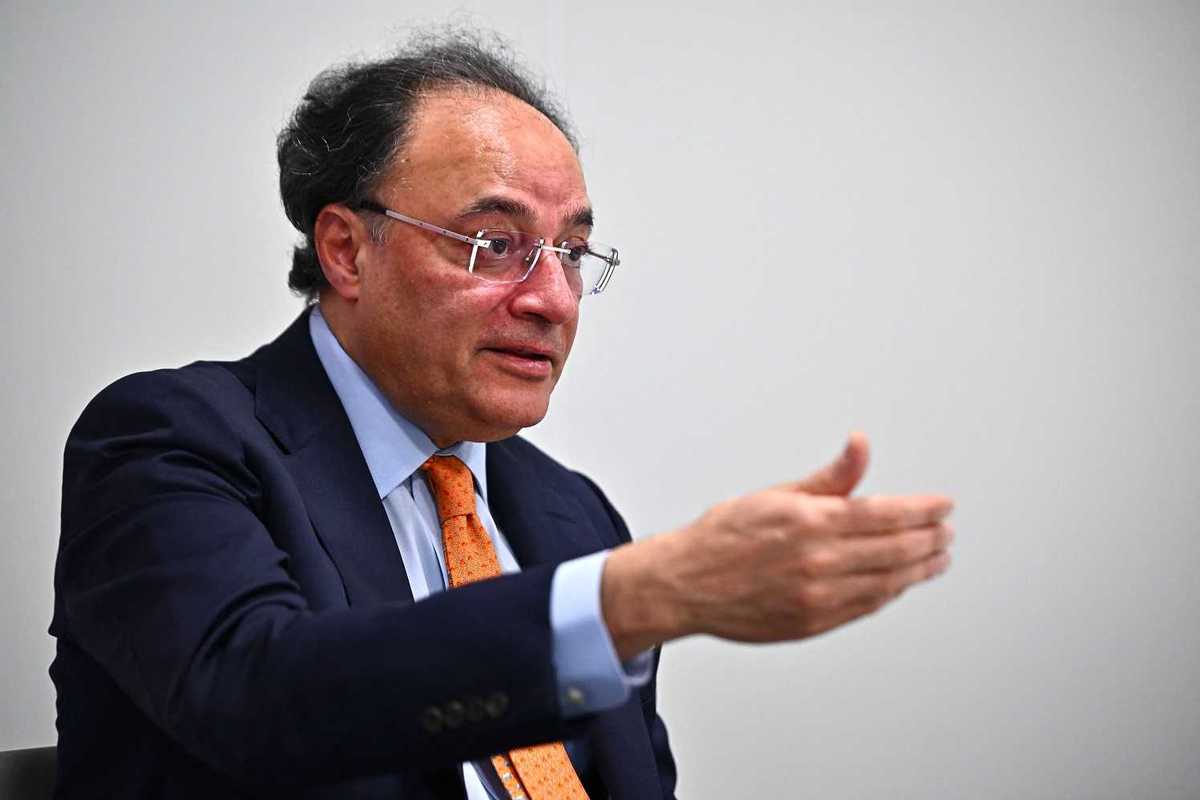
Finance Minister Muhammad Aurangzeb said on Saturday that Pakistan expects IT exports to reach $5.5 billion and workers’ remittances to total $44 billion in the current fiscal year.
He was speaking at a ceremony at a private university in Lahore, as the government pursues structural reforms and export-led growth to sustain economic stability.
How are Pakistan’s IT exports and remittances performing?
Pakistan’s IT services exports have grown from $1 billion to $4.6 billion, with freelancers contributing about $1.6 billion. Remittances are projected to reach $44 billion despite concerns that regional conflict could weigh on inflows, Aurangzeb said. Overseas Pakistanis continue to play a key role in supporting the economy and foreign exchange position.
The expansion of the digital economy offered opportunities to increase foreign exchange earnings, create jobs and improve the country’s competitiveness in global markets. Aurangzeb said the freelancers’ contribution reflected the growing role of young Pakistanis providing services to overseas clients.
What is Pakistan doing to sustain economic stability?
Pakistan needed to break its recurring boom-and-bust cycle, which had repeatedly triggered balance-of-payments crises because of heavy reliance on imports, Aurangzeb said. Recovering from such crises typically took four to five years, which made diversifying exports, raising productivity and strengthening economic fundamentals necessary.
The government was working to widen the tax base and improve tax administration, he said. It was also supporting exporters through the removal of the super tax, lower tax slabs and financing facilities at an interest rate of 4.5%.
Reducing tariffs and energy costs was also necessary to improve the competitiveness of Pakistani businesses in regional markets. The government had discussed supplying surplus electricity to industries at about 23 rupees per unit, he added.
Pakistan’s credit ratings had improved three times since April last year, and the government had taken steps to broaden its access to international capital markets. The country completed a private placement in April and was advancing plans to enter international markets through Panda bonds.
In the first week of September, Pakistan issued bonds worth 3 billion euros. Investor orders were twice the amount offered, reflecting interest from Asia, the Middle East, Europe and the United States, he said.
Foreign exchange reserves had reached a record high and covered more than three months of imports, compared with a previous low equivalent to about two weeks of import cover. International investors were also looking beyond the current International Monetary Fund programme, which is scheduled to end in October next year. Sustaining stability, strengthening investor confidence and ensuring policy continuity would require continued implementation of reforms, he said.
Is Pakistan facing fuel shortages?
Pakistan had avoided fuel shortages despite regional conflicts, with no long queues at petrol stations, Aurangzeb said. Crude oil and other energy supplies remained satisfactory, with arrangements in place to meet requirements through November and preparations under way for winter demand.
He stressed the importance of securing natural gas and liquefied natural gas supplies in time to avoid disruptions for households and industry.
The government had shifted from broad-based subsidies to targeted assistance to direct limited public resources towards those most in need, he said. Relief measures for motorcycles, three-wheelers and vehicles with engine capacities below 800 cubic centimetres had reached 12 million unique individuals, while the total number of beneficiaries was estimated at 40 million to 50 million.
How do population growth and climate change affect Pakistan’s economy?
Aurangzeb identified climate change and rapid population growth as major challenges, saying Pakistan’s population was expanding at an annual rate of about 2.55%. If the trend continued, it could reach 390 million, putting further pressure on education, healthcare, employment and other essential services.
Bangladesh, Indonesia and Iran had reduced their population growth rates to below 1% over a decade, he said. Pakistan also needed to invest in women’s education, increase female workforce participation and improve public awareness.
Women accounted for about 22.7% of Pakistan’s labor force, and greater participation could boost productivity and economic growth. Global economic uncertainty and regional conflicts could affect energy supplies and the prices of essential goods, he added.
Pakistan would need to maintain fiscal discipline, pursue structural reforms, expand exports and encourage private investment to deliver sustainable growth and create jobs.





Comments
See what people are discussing