

Bangladesh measles outbreak drives families into debt: aid groups
Bangladesh's measles outbreak has killed hundreds of children and pushed nine in 10 affected families into deep debt, a new assessment shows

News Desk
The News Desk provides timely and factual coverage of national and international events, with an emphasis on accuracy and clarity.
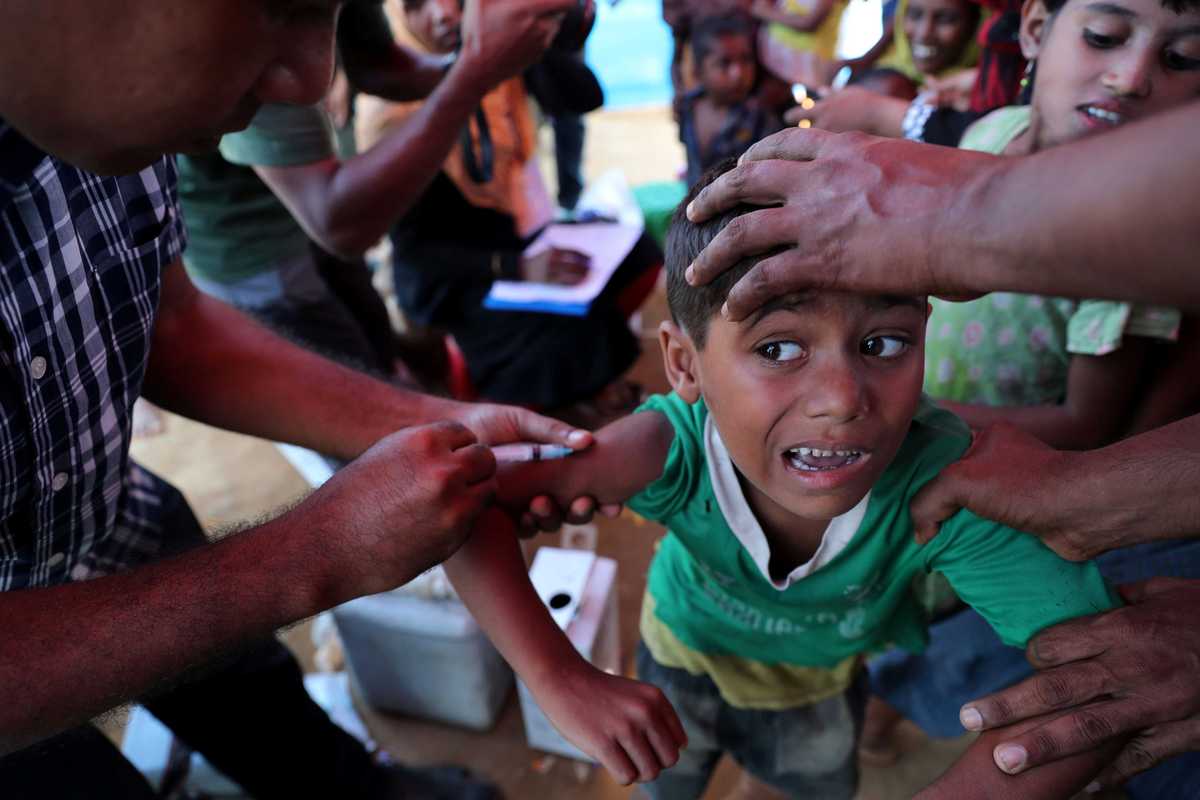
Bangladesh's deadliest measles outbreak in decades has pushed families into deep debt, aid groups warned Monday, as hundreds of children have died since March 15.
Nine out of 10 affected families borrowed money to cover treatment costs, according to a joint assessment by the IFRC and Bangladesh Red Crescent Society.
Why is Bangladesh's measles outbreak pushing families into debt?
Measles treatment at government hospitals is free, but related costs are not. Families pay out of pocket for ambulances, medicines and food while a caregiver stays in hospital, often losing income or a job in the process.
Nine in 10 surveyed families borrowed money, and many also needed food assistance.
How many people have died in Bangladesh's measles outbreak?
At least 844 children have died and more than 112,000 people have sought hospital treatment for measles since March 15, according to health department figures. On Sunday alone, four children died of suspected measles, showing the outbreak is still active. The IFRC and Bangladesh Red Crescent Society assessed 2,746 families who sought treatment for their children at 12 government health facilities.
The findings paint a picture of a health crisis with financial consequences attached. Thirty-five percent of surveyed families needed financial support to pay for medicines, while 22 percent needed food assistance. Many come from poorer communities and rely on informal work, earning between $48 and $160 a month.
Families affected by the outbreak spent an average of more than $130 on treatment and related expenses, the assessment found. Hazera Khatun, one of the women surveyed, said she spent around $200 to hire an ambulance to reach a hospital in Dhaka. She said hospital care itself was free, but everything else was not.
"The effects of this measles health emergency do not end at the hospital door, as families often face severe financial hardship," said Alberto Bocanegra, the IFRC chief in Dhaka. He said humanitarian assistance and strong social protection systems are both essential during public health emergencies. Many caregivers also reported losing their jobs because they had to remain in hospitals for extended periods.
"The assessment shows that many families are facing not only a health emergency but also a severe financial strain," said Kabir M. Ashraf Alam, secretary-general of the Bangladesh Red Crescent Society. His comment reflects the dual burden identified across the surveyed households. Health and financial hardship, the data suggests, are now closely linked in the outbreak's aftermath.
Why is Bangladesh having a measles outbreak?
Measles is highly contagious and spreads through coughs and sneezes, with no specific treatment once a person is infected. Complications can include brain swelling and severe breathing problems, and the disease can affect anyone, though children are most commonly affected.
Immunization gaps worsened during and after the chaos of a 2024 anti-government uprising, leaving large numbers of children unprotected.
What is Bangladesh doing to stop the outbreak?
The South Asian nation of 170 million people has rolled out a mass vaccination drive to combat the outbreak. Despite this, children continue to be infected and die from the disease. The scale of ongoing cases suggests the immunization campaign has yet to fully close the protection gap left by recent years.


Comments
See what people are discussing