

Bilawal calls for democratic reset through political consensus
PPP chief calls for a democratic reset, urging the government, its allies and the opposition to build consensus through dialogue on governance reforms.

Talal Maqbool
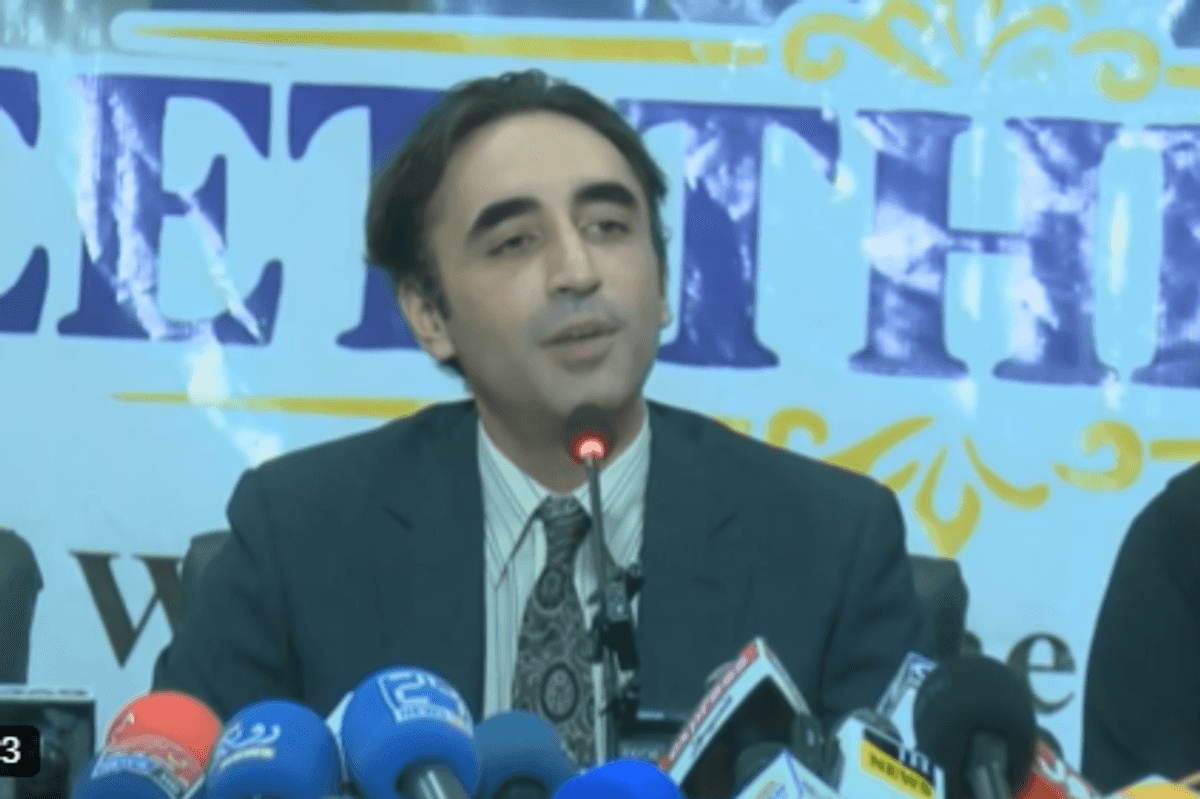
PPP Chairman Bilawal Bhutto-Zardari speaking at the Multan Press Club on Thursday.
Screengrab
Pakistan Peoples Party (PPP) Chairman Bilawal Bhutto-Zardari called Thursday for a political and democratic reset of the country's governance system. Speaking at the Multan Press Club, he urged the government, its allies and the opposition to build consensus through dialogue, not impose decisions, to restore political stability and institutional trust.
Why does Bilawal want a democratic reset?
Bilawal wants a democratic reset so the system can serve the public. He said quick action is needed to establish unity and political stability and rebuild institutional trust. Under his approach, the process would be political and democratic, while Parliament would remain the forum for deciding national issues.
“پاکستان کے قیام کی جدوجہد میں قائداعظم نے کوئی ہتھیار نہیں اٹھایا بلکہ اپنے قلم، آواز، سوچ اور پُرامن جمہوری جدوجہد کے ذریعے اس ملک کی بنیاد رکھی۔ کسی بھی کامیاب معاشرے کے لیے آزاد پریس ضروری ہوتی ہے۔ پاکستان کے پریس کلبز اور صحافیوں کے پاس کبھی یہ طاقت ہوا کرتی تھی اور میں آپ کو وہ طاقت واپس دلوانا چاہتا ہوں۔”چیئرمین پاکستان پیپلز پارٹی بلاول بھٹو زرداری کا ملتان پریس کلب میں میٹ دی پریس سے خطاب@BBhuttoZardari
— PPP (@MediaCellPPP) November 26, 2026
Only collective efforts involving all political stakeholders could restore political stability and public confidence in state institutions, he said at the "Meet the Press" event. "If we truly want this system to serve the public … we will have to take steps as soon as possible so we can establish unity, political stability, and restore trust in all institutions," he said.
What did Bilawal say about the Constitution and Parliament?
Bilawal said the 1973 Constitution had not failed on its own but had been "made to fail." He argued that the reasons behind the country's governance crisis must be identified before introducing changes.
He said the PPP had tried to build consensus on the 26th Constitutional Amendment and bring the opposition on board. Referring to the proposed 28th Amendment, he maintained that constitutional changes should not be imposed solely on the strength of a parliamentary majority.
“سیلاب کے بعد پنجاب اور یہاں کے عوام نے جن مشکل حالات کا سامنا کیا، وہ میں نے اپنی آنکھوں سے دیکھا۔ بالخصوص پاکستان پیپلز پارٹی کے کارکنان اور اراکینِ اسمبلی نے جس طرح عوام کا ساتھ دیا، وہ اس بات کی مثال تھی کہ پیپلز پارٹی مشکل وقت میں ہمیشہ عوام کے دکھ درد میں شریک ہوتی ہے۔آج پورا پاکستان کسی قدرتی آفت نہیں بلکہ ایک معاشی آفت کا سامنا کر رہا ہے۔ میں نے اپنی زندگی میں ایسے معاشی حالات نہیں دیکھے اور آنے والے دنوں میں مزید مشکلات کا سامنا کرنا پڑ سکتا ہے۔ان حالات میں پاکستان کی سیاست کو ری سیٹ کرنے کی ضرورت ہے تاکہ ہم خود کو، حکومت کو اور پاکستان کو آنے والے چیلنجز کے لیے تیار کرسکیں۔ اس کے لیے ضروری ہے کہ ملک میں اتحاد اور سیاسی استحکام قائم ہو اور اداروں پر عوام کا اعتماد بحال کیا جائے تاکہ ہم سب مل کر ان مشکلات کا مقابلہ کرسکیں۔”چیئرمین پاکستان پیپلز پارٹی بلاول بھٹو زرداری کا ملتان پریس کلب میں میٹ دی پریس سے خطاب@BBhuttoZardari
— PPP (@MediaCellPPP) November 26, 2026
The PPP chairman urged the government to restore the opposition's confidence in Parliament, the judiciary and the electoral system. He also invited Pakistan Tehreek-e-Insaf (PTI) to join the electoral reforms committee, saying electoral process changes were necessary to strengthen democracy. Bilawal criticized the opposition for avoiding parliamentary committees and said its participation was essential to making Parliament functional.
What economic and accountability concerns did Bilawal raise?
Bilawal said political discussions were failing to address problems affecting ordinary citizens, including unemployment, low wages, agricultural prices and the rising cost of basic necessities. Families were struggling to manage household expenses on food, education and health care, he said. Young people also faced unemployment and inadequate salaries.
He also criticized the country's accountability system, alleging that anti-corruption efforts had failed to curb corrupt practices. Accountability had increasingly become a tool for targeting political opponents, he alleged.
Why is Pakistan debating a system reset?
Bilawal's remarks come amid an ongoing debate over restructuring Pakistan's governance system. The debate follows Interior Minister Mohsin Naqvi's call for a reset and the creation of new administrative units.
On Nov. 17, Bilawal rejected the suggestion that the system had collapsed, saying it had instead been "made to collapse." He also opposed holding a referendum to decide the country's political future.




Comments
See what people are discussing