

Pakistan court dismisses judge’s objections in degree dispute, orders record disclosure
Court described allegations against sitting judge as 'grave and serious,' requiring special attention
Aamir Abbasi
Editor, Islamabad
Aamir; a journalist with 15 years of experience, working in Newspaper, TV and Digital Media. Worked in Field, covered Big Legal Constitutional and Political Events in Pakistan since 2009 with Pakistan’s Top Media Organizations. Graduate of Quaid I Azam University Islamabad.
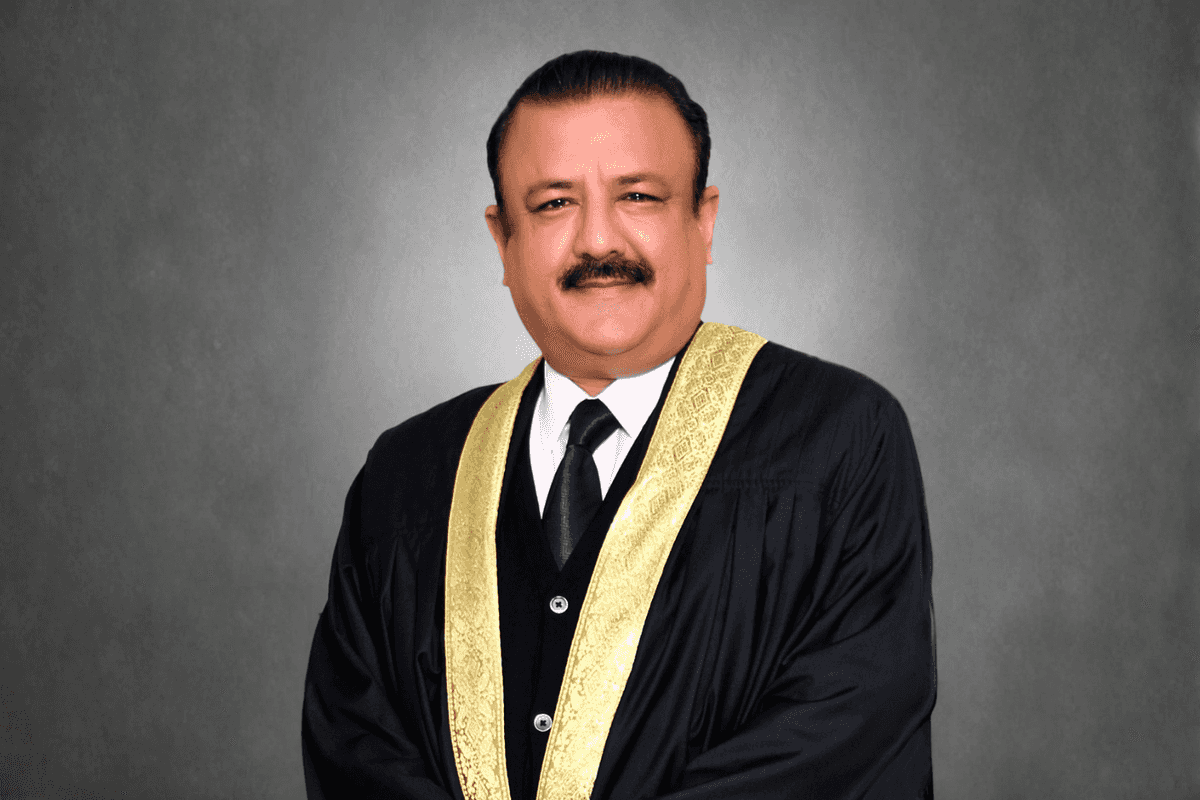
Justice Tariq Mahmood Jahangiri's official portrait.
X
Pakistan’s Islamabad High Court has rejected key objections raised by one of its own judges, Justice Tariq Mahmood Jahangiri, in proceedings linked to allegations questioning the authenticity of his academic degree, according to a written order issued by the court Tuesday.
A two-member bench ruled that the case was lawfully constituted and that it fell within the administrative authority of the court’s chief justice to decide its composition.
Justice Jahangiri had argued that the matter should be heard by a single judge rather than a larger bench, a plea the court dismissed.
Bench formation and bias claims rejected
In its order, the court said the allegations involved were “grave and serious” and concerned a sitting high court judge, warranting special consideration. Given the sensitivity of the issue and its potential institutional impact, the chief justice exercised administrative powers to form a two-judge bench, the court said, adding that such arrangements were neither unusual nor without precedent.
The bench also rejected Justice Jahangiri’s claim of bias against the chief justice, finding that no legal or factual basis had been provided to support the allegation. The court said general apprehensions or unsubstantiated claims do not meet the threshold required for recusal under established law.
It further noted that an earlier appeal filed by Justice Jahangiri and other judges challenging the chief justice’s transfer had already been dismissed by the Federal Constitutional Court, weakening the foundation of the bias claim.
Citing settled jurisprudence spanning several decades, the court said Pakistan’s superior judiciary had consistently defined strict standards for objections based on alleged prejudice. Justice Jahangiri, it concluded, failed to identify even a single legally sustainable ground to support his claim.
Record access ordered, bar bodies to be heard
While dismissing the objections, the court directed that Justice Jahangiri be provided the complete case record, including the full reply submitted by the University of Karachi and all supporting documents, citing principles of fairness and due process.
The bench also rejected a request to make the Islamabad District Bar Association a party to the case, but said it would hear the Islamabad High Court Bar Association and the Islamabad Bar Council, recognizing their representative and institutional standing.
Justice Jahangiri appeared before the bench yesterday and, in an unusual move, swore on the Holy Qur’an that his academic credentials were genuine. He told the court that the University of Karachi had never declared his degree invalid.
The court has summoned the university’s registrar to appear on Thursday with Justice Jahangiri’s complete academic record.
Background to the dispute
The case stems from allegations challenging the authenticity and validity of Justice Jahangiri’s degree, an issue that has sparked debate over judicial accountability and institutional credibility, particularly because it involves a serving high court judge.
The proceedings are unfolding amid wider concerns about pressure on the judiciary. Justice Jahangiri was among six Islamabad High Court judges who had previously written to the Supreme Judicial Council and other constitutional authorities, alleging interference by the executive in judicial matters.
That letter had drawn national attention and intensified debate over judicial independence in Pakistan. Against this backdrop, the current case is being closely watched as a test not only of the allegations surrounding academic credentials, but also of broader questions about institutional autonomy and the balance of power between the executive and the courts.



Comments
See what people are discussing