

Fauji Fertilizer sees minimal impact of rising energy prices due to Middle East conflict
Company says it has absorbed higher cost without passing the impact to consumers

Business Desk
The Business Desk tracks economic trends, market movements, and business developments, offering analysis of both local and global financial news.
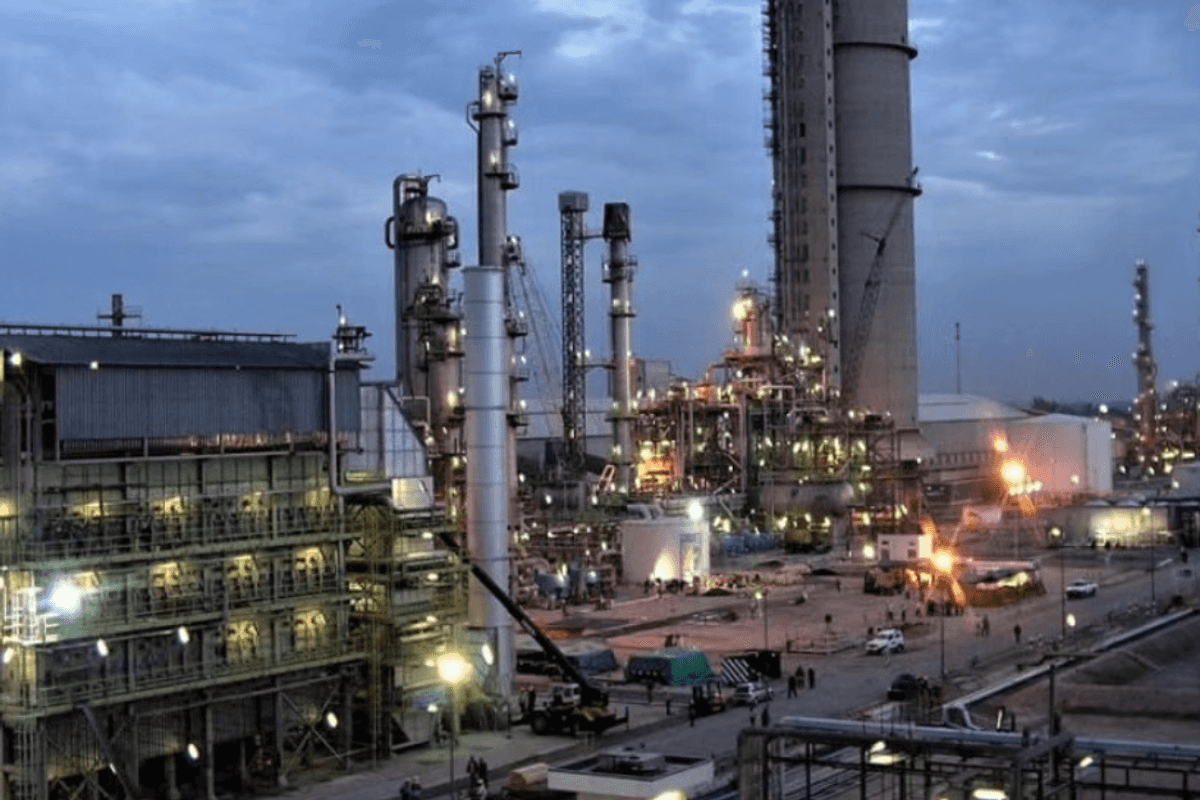
Fauji Fertilizer Company has said rising global energy prices linked to ongoing tensions in the Middle East have had only a limited impact on its operations.
In an analysts' briefing, the management said the company has absorbed higher fuel costs without passing them on to farmers, adding that domestic urea prices have remained unchanged since April 2024 and are expected to stay stable as the regional situation normalizes.
The company noted that phosphoric acid prices are trending upward, tying up significant working capital. Inventory currently stands at about PKR 38 billion ($136 million), reflecting elevated input costs.
FFC also said its transition toward Shariah-compliant status has improved investor sentiment, while it continues to expand its retail footprint through its Sona centers network.
The company has established 244 such centers and plans further expansion next year to improve fertilizer access at controlled prices. The initiative currently includes 118,000 registered farmers, covers 1.7 million acres of land and has facilitated the offtake of 65,000 tons, with support from banks and insurance providers.
On the energy front, FFC said it is making “aggressive progress” on the Thar coal gasification project in collaboration with the Government of Sindh.
A bankable feasibility study has been completed and will be formally announced once finalized. According to the management, the project could offer an alternative energy source for Pakistan amid a global energy crunch.
FFC also confirmed its participation in the privatization of Pakistan International Airlines through a consortium led by Arif Habib Group. The company holds a 34% stake in a special-purpose vehicle that has acquired a 75% stake in the airline.
The first payment of PKR 31 billion is expected between April and May, followed by a second installment of PKR 15 billion next year. The deal includes an option to acquire the remaining 25% stake for PKR 21 billion.
FFC reported standalone earnings of PKR 73.6 billion (PKR 51.7 per share) for calendar year 2025, up 14% from PKR 64.7 billion (PKR 45.5 per share) a year earlier, driven primarily by higher sales and a 13% increase in other income.
Dividend income more than doubled year-on-year to PKR 22.4 billion, supported by higher payouts from subsidiaries and associated companies.




Comments
See what people are discussing