

FBR officers' association urges review before further restructuring
IRSOA says ongoing initiatives such as digital invoicing, POS integration and faceless taxation should be evaluated before additional structural changes are introduced

Business Desk
The Business Desk tracks economic trends, market movements, and business developments, offering analysis of both local and global financial news.
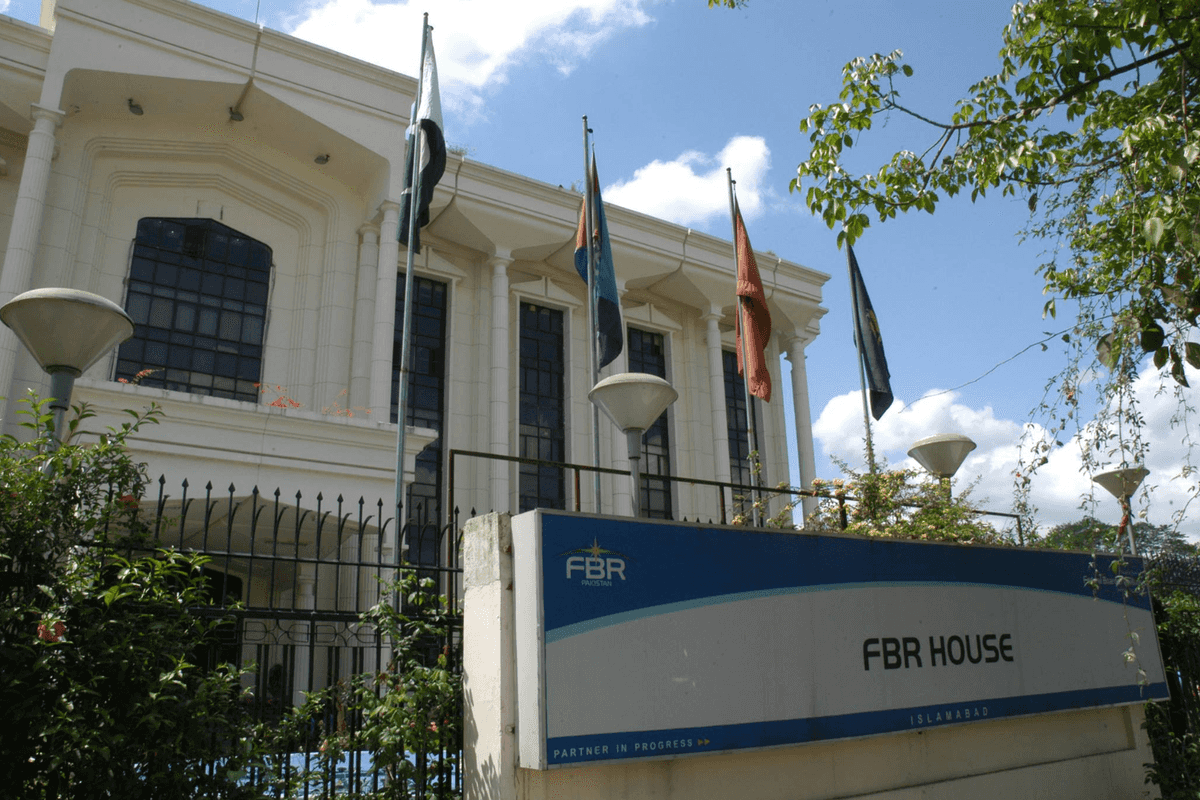
The Inland Revenue Service Officers Association (IRSOA) has expressed concern over reports of further structural reforms within the Federal Board of Revenue (FBR), saying existing initiatives should be evaluated before additional institutional changes are considered.
The association said it supported meaningful reforms but argued that changes should be guided by objective evaluation, operational realities and the broader national interest.
Several initiatives, including digital invoicing, point-of-sale integration, Compliance Risk Management, production monitoring and the faceless Inland Revenue system, remain at different stages of implementation, IRSOA said.
It urged the government to give those measures sufficient time to mature and demonstrate measurable results before considering further structural changes.
Why is IRSOA concerned about further FBR restructuring?
IRSOA says repeated institutional changes before existing reforms are evaluated could create administrative uncertainty, disrupt continuity and weaken operational capacity. It wants the government and FBR leadership to independently assess ongoing initiatives and consult officers responsible for implementing them before deciding on another round of structural changes.
The association said reform should be a continuous process of strengthening institutions rather than repeated experimentation.
Frequent restructuring without first assessing existing initiatives could also have adverse consequences for revenue collection, it said.
IRSOA called for meaningful consultation with officers responsible for implementing reforms, arguing that sustainable changes require institutional confidence, operational continuity and participation from those tasked with carrying them out.
Association calls for greater tax-system integration
IRSOA pointed to the 2009 integration of income tax, sales tax and federal excise under Inland Revenue, saying the move recognized the importance of coordinated tax administration, efficient resource utilization and taxpayer facilitation.
It said Pakistan’s taxation system remained fragmented, requiring businesses to deal with multiple federal, provincial and local authorities with separate compliance requirements, reporting obligations and enforcement mechanisms.
The association said this multiplicity increased compliance costs and administrative complexity and made it harder to do business.
IRSOA called for a more integrated national tax administration framework based on harmonized procedures, integrated information systems and coordinated enforcement across taxes and jurisdictions.
It said the broader direction of reform should be toward greater institutional coherence and integration rather than additional layers of administrative complexity.
IRSOA urges evaluation before structural changes
The association called on the government and FBR leadership to consolidate reforms already underway, independently evaluate their outcomes and consult relevant stakeholders before considering further restructuring.
It said effective revenue administration was fundamental to the state’s capacity, stability and continuity, and that reforms should safeguard revenue while strengthening institutional effectiveness.
“Consolidation, rather than repeated restructuring, must be the way forward,” IRSOA said.





Comments
See what people are discussing