

Fertilizer disruption from Iran conflict could raise Asia food prices, Fitch says
Higher input costs and weaker yields may pressure agribusiness margins and food supply chains

Business Desk
The Business Desk tracks economic trends, market movements, and business developments, offering analysis of both local and global financial news.
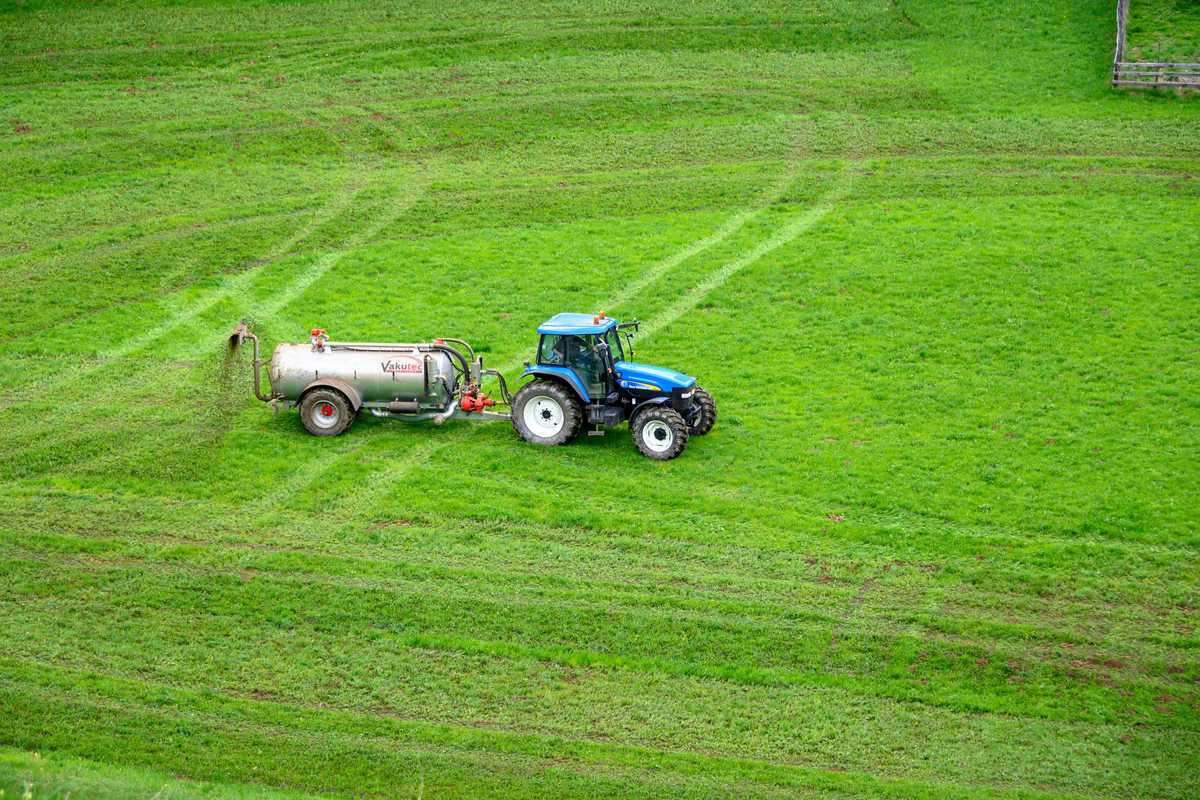
Emerging markets in Asia could face rising cost pressures across agribusiness and food supply chains if a prolonged U.S.-Iran war disrupts fertilizer supplies during the planting season, Fitch Ratings said.
Reduced fertilizer availability and higher prices would increase production costs, discourage usage and weaken crop yields, leading to margin pressure and higher food prices later in 2026, the agency said.
Food cost pressures are likely to rise if fertilizer supply and pricing do not stabilize soon, particularly as several South and Southeast Asian countries enter their sowing season.
Supply risks and price surge
Fitch said Asia’s fertilizer supply is exposed to the conflict, as the Gulf region produces a large share of global fertilizer using natural gas as a key feedstock. Continued disruption could keep gas prices elevated and affect shipping routes.
At the same time, export restrictions by major suppliers such as China are expected to persist at least through mid-year, prolonging input cost pressures and increasing the risk of supply disruptions for food producers.
Nitrogen-based urea prices have risen about 50% to around $700 per tonne from roughly $465 before the war.
“If high prices persist, farmers may reduce fertilizer use or plant less, increasing the risk of weaker crop yields and higher food prices later in the year,” Fitch said.
Varying country exposure
Domestic production remains the primary source of food in much of emerging Asia, meaning reduced fertilizer availability could significantly affect planting and yields.
Countries more reliant on food imports would face greater risks if weaker domestic harvests coincide with high global prices and export restrictions. Food import dependence is in the mid-teens in the Philippines, Bangladesh and Sri Lanka, rising to the mid-20s in Mongolia and as high as 78.3% in the Maldives.
Some countries, including India, have sufficient fertilizer stockpiles to limit near-term pressures, while others with weaker supply buffers may see costs pass more directly to farmers and consumers.
Inflation and social risks
Near-term food price pressures remain moderate in many countries due to the lagged effect of energy shocks, Fitch said. However, risks could intensify if the conflict persists.
The World Food Program estimates that if the conflict continues beyond mid-2026 and oil prices remain above $100 per barrel, an additional 9.1 million people in Asia could fall into acute food insecurity, a 24% increase from pre-war levels.
Fitch said prolonged disruption could significantly affect crop yields, citing studies showing yields can drop sharply without nitrogen fertilizer, underscoring the risks of sustained supply constraints.
Fiscal pressures could also rise if governments increase subsidies to stabilize fertilizer and food supplies. Where support is limited, higher costs would be borne by farmers, businesses and consumers, potentially heightening social tensions.




Comments
See what people are discussing