

Flour mills call for wheat imports amid concerns over future supplies
Government says current wheat stocks are adequate, but industry urges a transparent policy for future import decisions

Business Desk
The Business Desk tracks economic trends, market movements, and business developments, offering analysis of both local and global financial news.
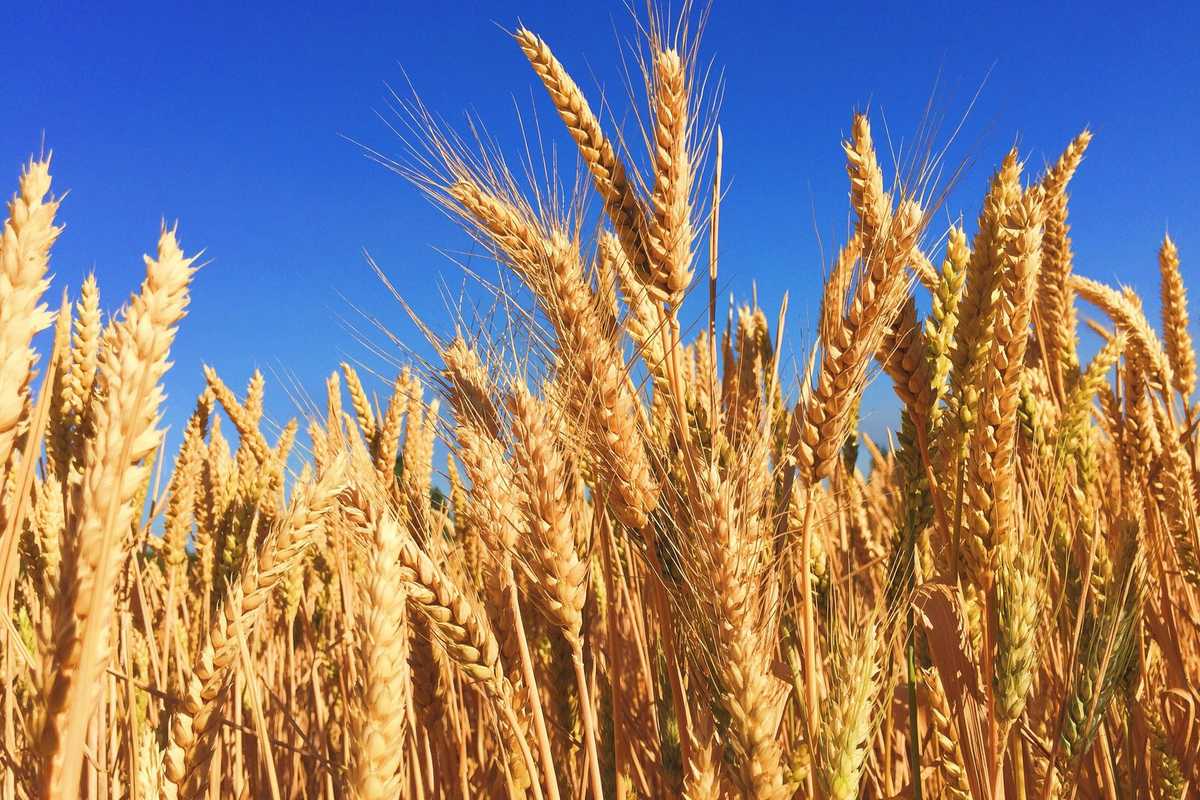
Wheat Field
The Pakistan Flour Mills Association has raised concerns about future wheat availability and called for timely import approvals. The government, meanwhile, says current stocks are sufficient and that there is no immediate shortage.
The broader issue, however, is not simply whether Pakistan should import wheat. It is whether the country has a transparent and reliable system to determine when imports are necessary and when domestic supplies are adequate.
According to Shahid Anwar, economic analyst and former secretary general of the Federation of Pakistan Chambers of Commerce and Industry (FPCCI), Pakistan's wheat challenge is not only about supply. It is also about forecasting, coordination and governance, with current trends pointing to the need for closer monitoring.
Pakistan produced a record 31.8 million tonnes of wheat during the 2024-25 season. Production is estimated to decline to about 29 million tonnes in 2025-26, a drop of nearly 2.8 million tonnes, or about 9%, in a single season.
The decline reflects lower cultivated area, changing farmer incentives, rising input costs, water shortages and other production challenges. Uncertainty over returns has also influenced farmers' planting decisions.
The government says total wheat availability stands at 33.47 million tonnes against estimated demand of 33.58 million tonnes, indicating that supplies remain manageable for now.
However, rising market prices, concerns raised by flour millers, the need to maintain strategic reserves and timely procurement all underscore the importance of continuous monitoring and better policy coordination.
The press release also called for stronger coordination between federal and provincial authorities, along with more transparent storage and distribution management.
It urged Pakistan to establish a data-driven wheat management system based on:
- Transparent and regularly updated stock data
- Accurate and independent production forecasts
- Clear criteria for import decisions
- Timely procurement and support price signals for farmers
- Improved storage, strategic reserve management and supply chain planning
- Policies that protect both consumers and farmers
The association said food security cannot be managed through last-minute decisions and urged policymakers to move beyond recurring annual wheat debates toward a predictable, evidence-based policy framework.





Comments
See what people are discussing