

Food prices stay high across Pakistan despite steep fall in diesel, LPG costs
Lower transport costs fail to ease food inflation as seasonal shortages, supply disruptions and high retail margins keep vegetables and wheat flour expensive

Haris Zamir
Business Editor
Experience of almost 33 years where started the journey of financial journalism from Business Recorder in 1992. From 2006 onwards attached with Television Media worked at Sun Tv, Dawn Tv, Geo Tv and Dunya Tv. During the period also worked as a stringer for Bloomberg for seven years and Dow Jones for five years. Also wrote articles for several highly acclaimed periodicals like the Newsline, Pakistan Gulf Economist and Money Matters (The News publications)
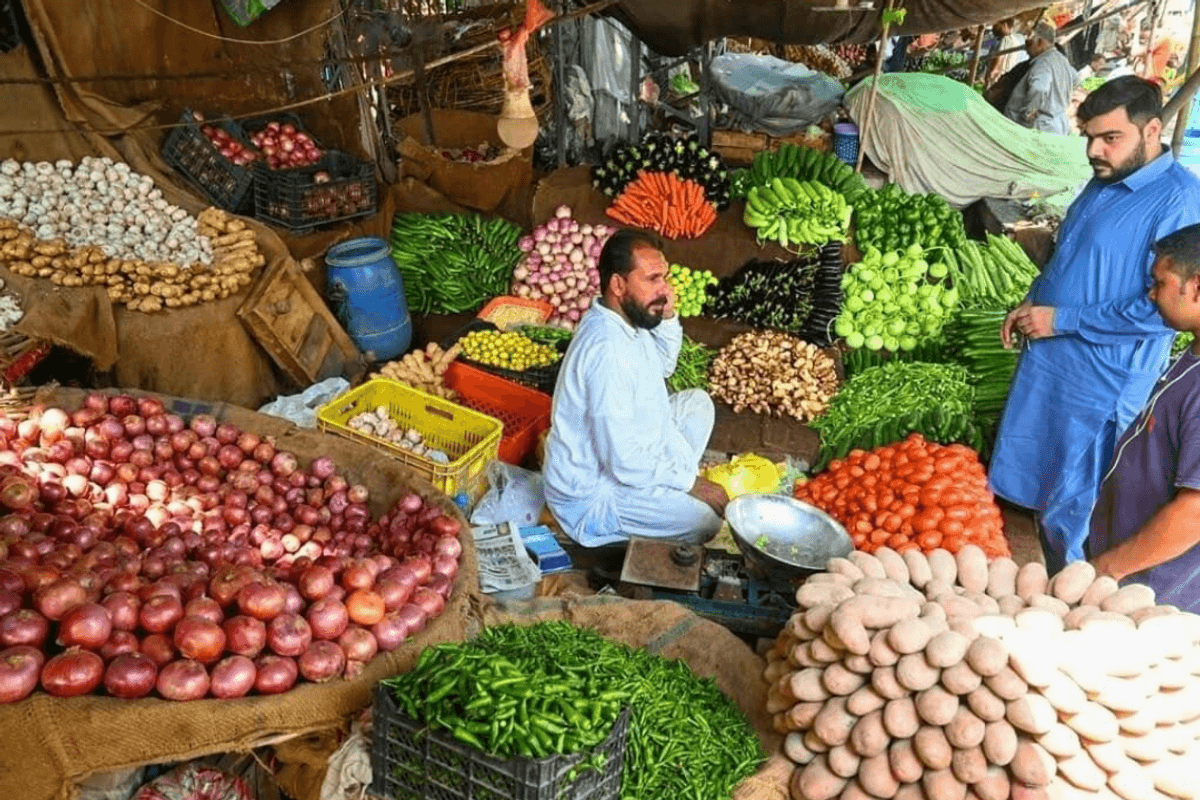
Food prices remain high across Pakistan despite falling diesel and LPG costs
None
Consumers across Pakistan continue to pay high prices for vegetables and other essential food items despite a sharp decline in diesel and liquefied petroleum gas (LPG) prices, as lower transportation costs have yet to translate into cheaper retail prices.
Tomato prices have surged to PKR 260-300 per kilogram over the past 10 days, more than doubling from PKR 100-150 per kg in June. Onion prices have increased to PKR 100-120 per kg from PKR 80-100 per kg a month earlier, while potato prices have remained relatively stable at PKR 50-60 per kg.
Growers attribute the spike in tomato prices to limited supplies from Balochistan, where production is insufficient to meet nationwide demand. Tomato cultivation has begun in Sindh, but fresh supplies are not expected to reach markets until mid-September.
Meanwhile, small volumes of tomatoes have started arriving from Iran after regional security disruptions affected cross-border trade.
According to Haji Shahjehan, president of the Falahi Anjuman Wholesale Vegetable Market at Karachi's New Sabzi Mandi, Sindh's tomato season ended in April, while production in Punjab and Khyber Pakhtunkhwa is largely consumed locally. He said tomato prices are likely to remain elevated throughout July unless imports from Iran increase significantly.
Shahjehan said potato exports to Iran and Afghanistan have been suspended, leaving ample domestic supplies and wholesale prices at PKR 25-30 per kg. Onion exports to Dubai have resumed in limited quantities, while fresh supplies from Balochistan are reaching Karachi after Sindh's onion season ended.
He added that food prices remained elevated during Muharram despite lower fuel costs because of reduced arrivals from producing regions, the temporary closure of wholesale markets during Ashura and transporters' reluctance to reduce freight charges. Retailers have also continued charging significantly higher prices than those prevailing in wholesale markets.
Data from the Pakistan Bureau of Statistics showed vegetable exports during the first 11 months of fiscal year 2025-26 fell sharply to 550,913 tonnes worth USD 152 million, compared with 1.4 million tonnes valued at USD 353 million during the same period a year earlier. Potatoes and onions remained Pakistan's largest vegetable exports.
Meanwhile, LPG prices have declined to around PKR 300 per kilogram from a peak of PKR 480, while diesel prices have fallen to PKR 309.50 per litre from PKR 399 per litre on May 1. However, the reduction has yet to provide meaningful relief to consumers.
Wheat flour prices have also continued to climb. According to the latest Sensitive Price Index, a 20-kg flour bag now costs PKR 2,800-2,850, up from PKR 2,650 in mid-June.
Karachi continues to record the country's highest wheat flour prices despite the Sindh government's efforts to curb hoarding and stabilize the market.
Prices of pulses have remained largely unchanged, with masoor selling for PKR 220-300 per kg, moong for PKR 350-400, mash for PKR 410-500 and gram pulse for PKR 220-280 per kg.
Cooking oil and ghee have also become more expensive. A five-litre pack of cooking oil now sells for PKR 3,045-3,065, compared with PKR 2,970 before the Middle East conflict, while a 2.5-kg pack of ghee has risen to PKR 1,565 from PKR 1,515. A one-litre cooking oil pouch now costs around PKR 610, up from PKR 590.
The persistence of high food prices despite lower fuel costs underscores ongoing supply chain inefficiencies, seasonal shortages, elevated retail margins and limited competition, leaving consumers with little relief from inflation.




Comments
See what people are discussing