

Gas facility fire worsens Bangladesh energy crunch
Bangladesh's gas crisis deepens after a fire at a key LNG terminal cuts supply, hitting homes, factories and electricity generation nationwide.

News Desk
The News Desk provides timely and factual coverage of national and international events, with an emphasis on accuracy and clarity.
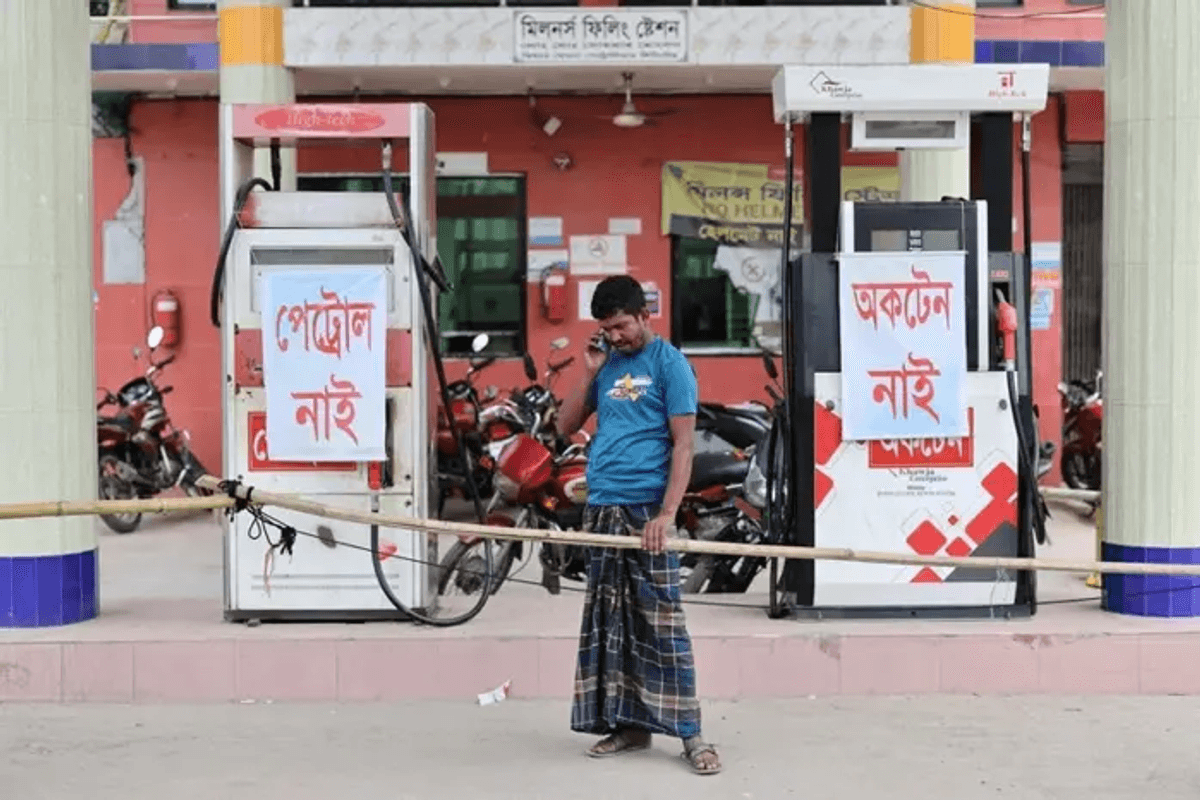
Bangladesh's chronic gas shortages have worsened after a fire at one of its two LNG storage and regasification units disrupted supply this week. The disruption is hitting homes, businesses and key export sectors including the textile industry, deepening a crisis already strained by the US-Iran conflict since February.
Why is Bangladesh facing a gas crisis?
Bangladesh imports about 30 percent of its natural gas needs and relies heavily on liquefied natural gas to meet demand. A fire at a storage and regasification unit in Moheshkhali this week cut supply further, on top of shortages caused by the ongoing US-Iran conflict since February.
How much has gas supply fallen?
Total gas demand in Bangladesh stands at around 3.8 billion cubic feet per day, according to Petrobangla sources. Daily supply had already dropped to 2.7 billion cubic feet since last year, and after this week's fire it fell further to 2.15 billion cubic feet a day.
How is the gas shortage affecting households?
Jubaida Anjum Saba, an NGO worker in Dhaka who cooks for an extended family of 10, told AFP she has not received cooking gas since Wednesday. She said she has been switching between an induction stove and a clay oven, for which she now has to arrange firewood.
How is the crisis affecting transport and industry?
Long queues have returned at fuel pumps, with ride-hailing app Obhai reporting complaints from drivers of gas-run auto-rickshaws about lengthy refill times. The shortage is also expected to hit electricity generation, which depends largely on gas, according to Md Rafiqul Islam of state-run energy firm Petrobangla, who said he was unsure when supply would normalise.
Which industries are hit hardest?
Bangladesh's flagship readymade garment manufacturing sector appears to be among the biggest losers. Mohammad Hatem, president of the Bangladesh Knitwear Manufacturers and Exporters Association, told AFP that dozens of factories are sitting idle for want of gas.
Factory owners say they mostly rely on captive power generation, since grid electricity is often unreliable and voltage fluctuations frequently damage machinery. Hatem said captive power plants have been almost idle for the last 10 days, warning the impact would be disastrous, delaying shipments and cutting into profits.




Comments
See what people are discussing