

Global farm incomes to rise 9% by 2035 despite growing risks
OECD-FAO report says productivity gains will support agriculture, but energy costs and geopolitical shocks threaten food security

Business Desk
The Business Desk tracks economic trends, market movements, and business developments, offering analysis of both local and global financial news.
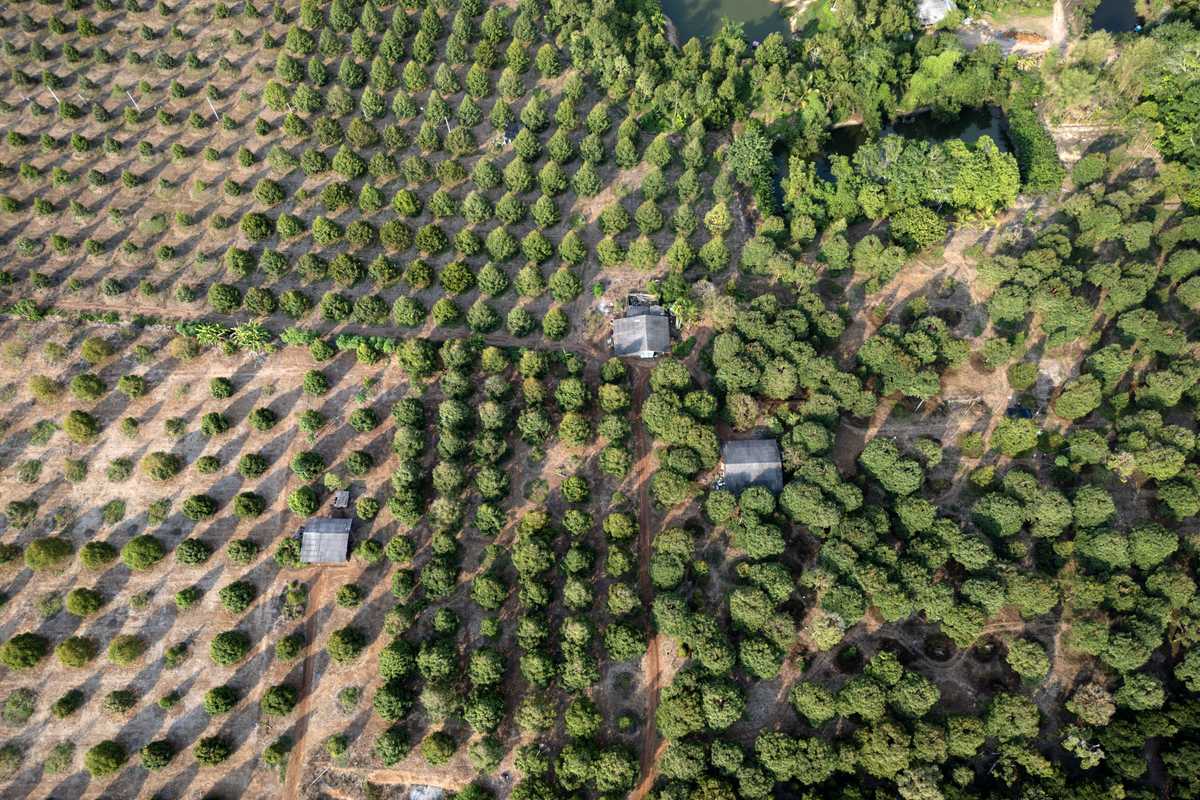
Global agricultural income per worker is projected to increase 9% by 2035, supported by productivity gains and broadly stable farm prices. However, recurring geopolitical crises, market disruptions and higher energy costs could reverse those gains and worsen food insecurity in poorer nations, according to a joint report released Monday by the Food and Agriculture Organization (FAO) and the Organisation for Economic Co-operation and Development (OECD).
The OECD-FAO Agricultural Outlook 2026-2035 forecasts that global agricultural and fisheries production will expand 13% over the next decade under stable market conditions, with growth concentrated in Asia, Sub-Saharan Africa and Latin America. However, the report warns there is a 25% probability that agricultural incomes in 2035 could fall below current levels if the frequency of recent global shocks persists.
Short-term risks are also mounting. Higher energy prices and reduced fertilizer use are expected to curb agricultural production in 2027, with low-income countries likely to bear the brunt of the impact while wealthier economies are expected to absorb the shock more effectively.
"Our agrifood systems are under pressure, and our farmers are on the front line of rising energy and fertiliser costs," OECD Secretary-General Mathias Cormann said. "Their resilience is our food security. Protecting it means better support to weather shocks, sustained investment in productivity, and open, well-functioning global markets."
FAO Director-General Qu Dongyu said governments must invest in resilient agricultural systems before the next crisis strikes.
"Resilience is not about surviving the last shock; it is about preparing for the next one," he said, urging countries to diversify trade routes, build regional reserves of key agricultural inputs, strengthen infrastructure and reduce dependence on oil through a broader energy mix.
The report said that if the average 33% increase in global energy prices recorded during the first half of 2026 continues through the remainder of the year, global grain production would decline 0.9% in 2027, while production in low-income countries would fall 1.7%. The resulting increase in food prices and loss of income would force poorer households to consume less food and switch to cheaper diets.
Despite the risks, the outlook projects global cereal production will reach a record 3.22 billion metric tons by 2035, driven primarily by annual yield improvements of 0.9%, while the area under cereal cultivation expands by just 0.1% annually. By 2035, about 40% of global cereals are expected to be consumed directly as food, while 34% will be used as animal feed.
The report said productivity improvements are likely to keep real agricultural commodity prices under downward pressure, benefiting consumers but creating financial challenges for smallholder farmers, who often lack access to technology and markets. It urged governments to pair productivity-enhancing policies with locally tailored support programs and improved market access for farmers.
Agricultural expansion is also expected to increase environmental pressures. Direct greenhouse gas emissions from agriculture are projected to rise 6.5% by 2035, with livestock accounting for about 77% of the increase and synthetic fertilizers contributing the remaining 23%.
Regional production growth is expected to remain concentrated in developing economies. The Asia-Pacific region is projected to contribute 58% of additional global agricultural output by 2035, with India alone accounting for 26% of the increase, largely because of expanding dairy production and higher milk yields.
Sub-Saharan Africa's contribution to global agricultural production growth is expected to rise to 16%, up from 11% over the previous decade. However, the region will remain highly vulnerable to food insecurity and external shocks.
The report also forecasts changing consumption patterns. Consumers in lower-middle-income countries are expected to diversify their diets by consuming more livestock products as incomes rise, while excessive food consumption is expected to persist in wealthier nations.
In high-income countries, meat consumption growth is projected to slow as consumers shift from beef to poultry because of higher prices, health concerns and environmental considerations.
Global demand for biofuels is forecast to grow 1.4% annually over the next decade, driven primarily by Brazil, India and Indonesia. Growth in high-income countries, however, is expected to slow as electric vehicle adoption accelerates and policy incentives weaken.
Meanwhile, global fisheries and aquaculture production is projected to increase 11% by 2035, with aquaculture accounting for 56% of total seafood production, up from 53% today. Asia is expected to remain the dominant driver of seafood demand and supply, although expansion in China, the world's largest aquaculture producer, is projected to moderate.
The OECD and FAO said strengthening multilateral cooperation and maintaining rules-based international agricultural trade will be essential to improving global food security, supporting more diversified diets and stabilizing farm incomes over the coming decade.





Comments
See what people are discussing