

Global markets as US prepares 'Economic D-Day' sanctions against Iran
Oil prices and Asian stock benchmarks dropped on Monday as global markets braced for an aggressive US financial offensive targeting Iran, while tech sector volatility and rising bond yields added to investor anxiety

News Desk
The News Desk provides timely and factual coverage of national and international events, with an emphasis on accuracy and clarity.
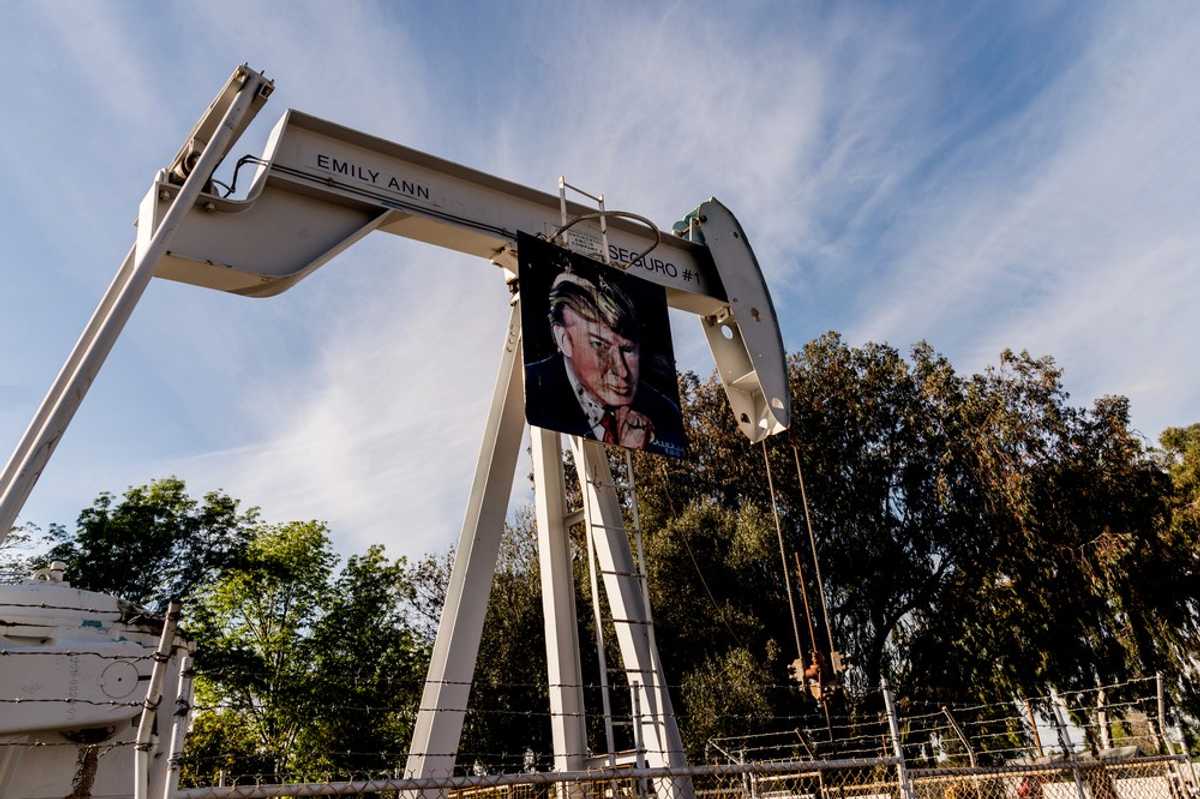
Crude oil prices and major Asian equity indices declined on Monday, as international markets weighed the potential fallout of a major US economic offensive against Iran.
Investors adopted a cautious stance ahead of a scheduled press briefing by US Treasury Secretary Scott Bessent to detail Washington’s promised "Economic D-Day" pressure campaign.
How are US economic threats against Iran impacting global energy markets?
Oil benchmarks fell over 2 percent during early Asian trading after posting sharp gains last week. Brent crude dropped to $92.68 per barrel while West Texas Intermediate (WTI) slipped to $85.39 per barrel. The price pullbacks followed profit-taking by traders following President Donald Trump's pledge to execute the most crushing economic isolation campaign against Tehran and its commercial partners.
Treasury Secretary Scott Bessent warned third-party nations and global financial institutions against providing trade lifelines to Tehran, signaling secondary sanctions for violators. In response, Iranian military officials warned that Tehran would attempt to halt all energy exports from the Persian Gulf if Washington escalates its blockade and financial sanctions.
Ongoing conflict around the strategic Strait of Hormuz continues to threaten global supply chains, keeping energy prices elevated despite short-term market fluctuations.
Why are tech stocks and global financial markets under pressure?
Beyond geopolitical tensions in the Middle East, Asian equity markets faced downward pressure led by technology sector declines. South Korea's Kospi fell 1.4 percent following Samsung Electronics' announcement of an $80 billion stock buyback aimed at stabilizing its share price after weeks of volatile trading.
Investors are also monitoring upcoming earnings reports from AI chipmaker Nvidia, alongside Chinese e-commerce giant Alibaba's announcement of a $10.2 billion share issuance in Hong Kong to fund its global artificial intelligence operations.
Compounding market jitters, international finance ministers and central bankers are preparing for the annual Jackson Hole symposium.
Markets remain attentive to US monetary policy adjustments after the US Treasury initiated emergency bond buybacks to manage rising borrowing costs as federal debt breached $40 trillion.





Comments
See what people are discussing