

ICMA backs cautious hold as SBP policy rate stays at 11.5%
The institute says the SBP policy rate at 11.5% balances supply-driven inflation risks with recovery as Pakistan's resilience to external shocks improves

Business Desk
The Business Desk tracks economic trends, market movements, and business developments, offering analysis of both local and global financial news.
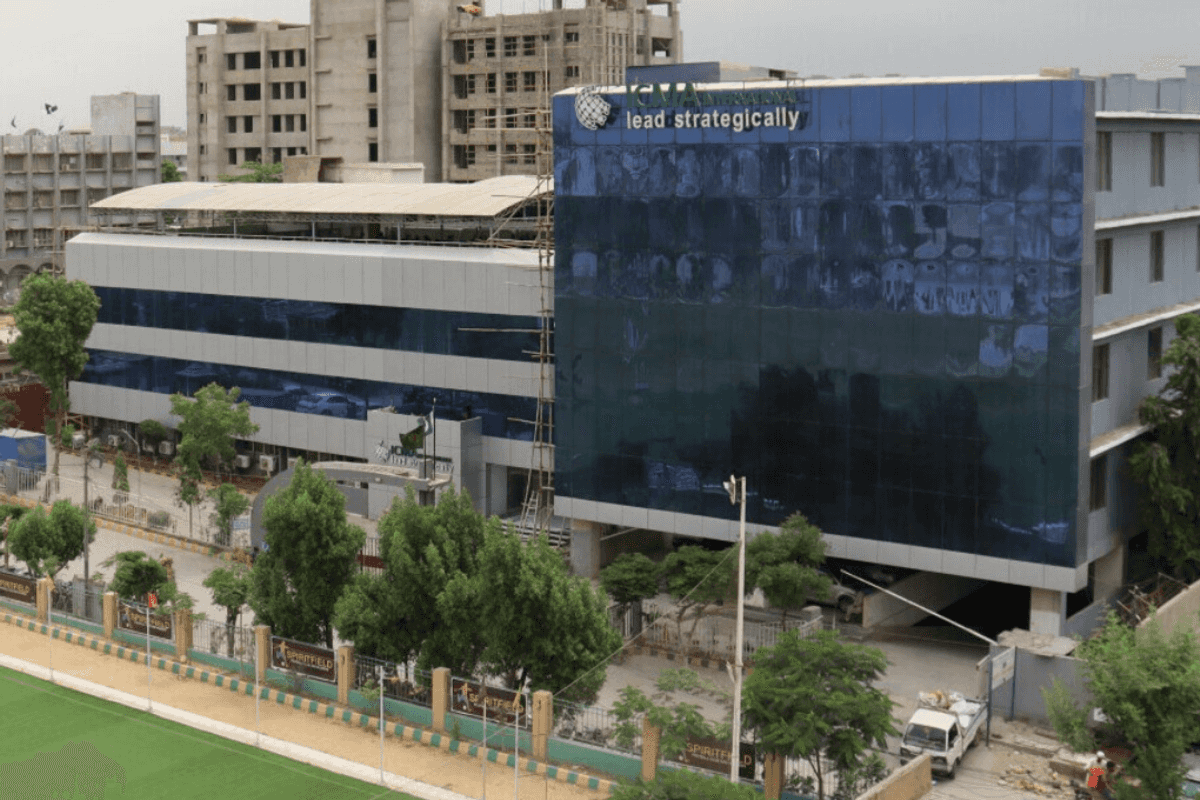
ICMA considers the 11.5% rate appropriate because inflation pressures are increasingly supply-driven
The State Bank of Pakistan kept its policy rate unchanged at 11.5% on September 14 as inflation rose and global commodity and geopolitical pressures intensified, a decision ICMA says appropriately balances supply-driven inflation risks with Pakistan’s economic recovery.
Why does ICMA support the SBP policy rate hold?
ICMA considers the 11.5% rate appropriate because inflation pressures are increasingly supply-driven. The improved resilience gives Pakistan some capacity to absorb temporary external shocks without automatically tightening monetary policy, although reserve, export, remittance and food-import buffers remain moderate.
Headline inflation rose to 11.1% in August from 9.2% in July 2026, according to ICMA’s latest Monetary Policy Review.
The institute said the improvement in its Supply Shock Resilience Index, or SSRI, marks a significant change from the weak resilience recorded during 2022 and 2023.
The SSRI rose to 0.65 in July 2026, placing Pakistan in the High Resilience category.
Exchange-rate stability currently provides the strongest buffer against external supply shocks. However, ICMA said reserve adequacy, export coverage, remittance coverage and food-import resilience remain at moderate levels.
ICMA cautioned that policy action could still become necessary if external pressures lead to persistent inflation or renewed exchange-rate instability.
What are businesses saying about the 11.5% policy rate?
Business representatives who shared their views with ICMA’s Research & Publications Department broadly supported the cautious approach, although several called for gradual rate reductions as external pressures ease.
Asfandyar Farrukh, chairman of the Chainstore Association of Pakistan, described the decision as appropriate and called for gradual rate cuts alongside fiscal, tax and energy reforms.
Usman Shaukat, president of the Rawalpindi Chamber of Commerce & Industry, called the decision prudent but said high financing costs continue to constrain investment and SMEs. He supported gradual easing as external pressures moderate.
Zulfiqar Alam, CEO of Pakistan Housing Finance Company Limited, described the decision as a cautious pause, arguing that supply-driven inflation limits the effectiveness of further rate increases.
Imran Batada, president and CEO of the Pakistan Freelancers Association, said improved external conditions reduce the need for an immediate policy response. However, he said high borrowing costs continue to constrain SMEs, technology investment and freelance businesses.
Faisal Sharif, director for the South Asia region at GAC Group, said the decision was broadly anticipated and represented a measured response to higher global fuel prices and Middle East tensions.
Atif Ikram Sheikh, president of FPCCI, took a more critical view, describing the rate as highly contractionary and calling for a single-digit policy rate to reduce financing costs and support industrial and export activity.
What does ICMA say Pakistan needs next?
ICMA said economic activity showed signs of recovery during July, while private-sector credit grew 13.4% year-on-year.
The institute nevertheless warned that external vulnerabilities remain and called for stronger foreign-exchange buffers, higher export and remittance inflows, improved food and energy supply management, and greater diversification of critical imports.
ICMA considers the 11.5% policy rate a cautious balance between containing inflation and supporting economic recovery.
It also said monetary policy should be supported by targeted supply-side measures to strengthen Pakistan’s ability to withstand future external shocks.



Comments
See what people are discussing