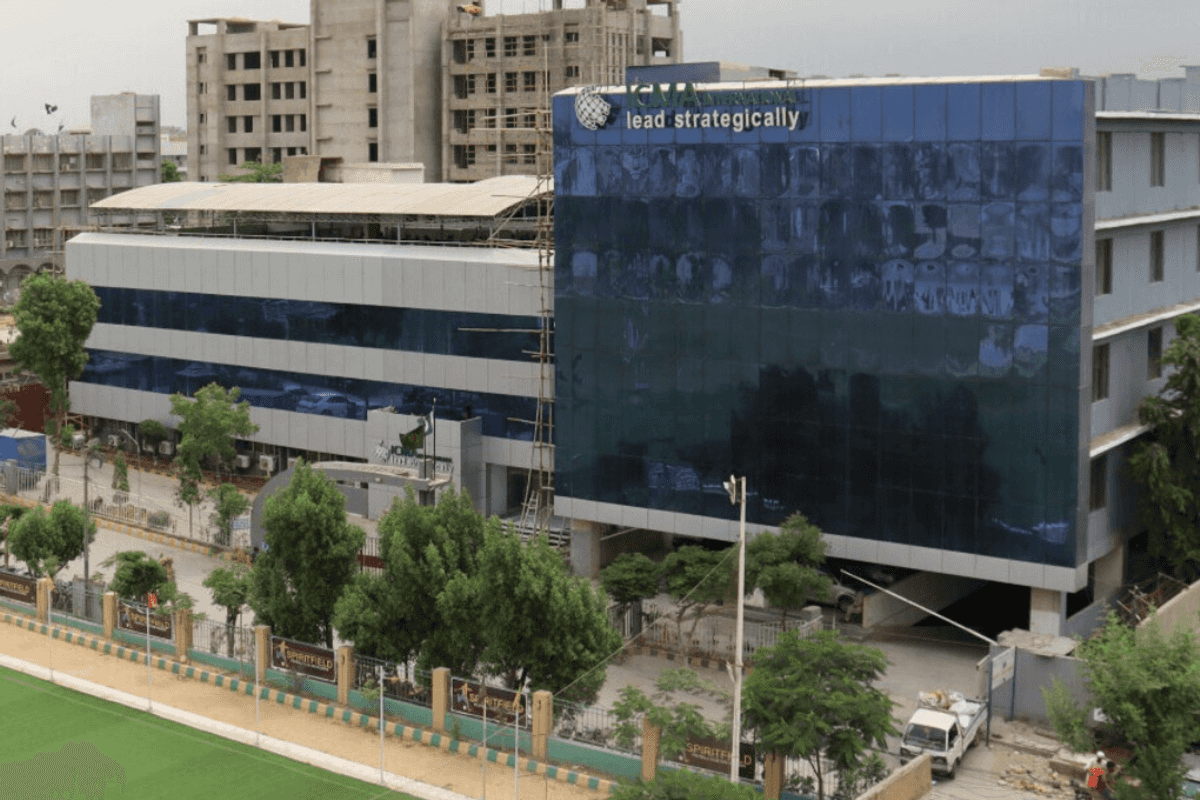
The Institute of Cost and Management Accountants of Pakistan (ICMA) has endorsed the State Bank of Pakistan’s decision to keep its benchmark policy rate unchanged at 11.5%, saying the central bank has struck an appropriate balance between supporting economic recovery and containing inflation amid persistent geopolitical and external risks.
In its latest review of the monetary policy decision announced after the State Bank of Pakistan’s Monetary Policy Committee meeting on July 27, ICMA said the current policy stance remains prudent because inflation remains above the central bank’s medium-term target while uncertainty persists over global commodity prices and tensions in the Middle East.
“Maintaining the policy rate at 11.5% appears to be an appropriate and balanced policy response under the prevailing economic environment,” ICMA said.
The institute noted that although Pakistan’s monetary policy has broadly remained aligned with that of the U.S. Federal Reserve during the recent policy cycle, the country continues to maintain the highest policy rate among regional peers because of domestic macroeconomic conditions.
ICMA warned that an aggressive reduction in interest rates at this stage could reignite inflationary pressures and undermine gains made in restoring price stability.
Growth outlook improving
The institute said economic activity slowed during the fourth quarter of fiscal year 2025-26 because of higher global energy prices, renewed conflict in the Middle East and domestic fiscal austerity measures.
However, it said high-frequency indicators, including automobile sales, cement dispatches, fertilizer offtake and business sentiment, point to a gradual recovery.
ICMA also cited an improved agricultural outlook, particularly stronger sugarcane production, expanding private sector credit and budgetary incentives as factors expected to support growth in fiscal year 2026-27.
The State Bank has projected real GDP growth of 3.5% to 4.5% for the current fiscal year.
While the unchanged policy rate should help preserve macroeconomic stability and support the recovery, ICMA cautioned that elevated borrowing costs could continue to restrain private investment until inflation moderates further.
External position remains resilient
The institute said Pakistan’s external sector remained resilient during fiscal year 2025-26, with the current account deficit limited to USD 139 million despite a wider trade deficit.
Record workers’ remittances and a financial account surplus strengthened the country’s external position, while the central bank aims to raise foreign exchange reserves to USD 20.2 billion by the end of December 2026.
ICMA said the current monetary stance should continue supporting external stability by containing import-driven pressures, while stronger remittance inflows and reserve accumulation further reinforce external buffers.
Fiscal discipline remains key
ICMA highlighted that the Federal Board of Revenue achieved its revised fiscal year 2025-26 tax collection target of PKR 13 trillion, while Pakistan maintained a primary fiscal surplus for the third consecutive year.
The institute supported the Monetary Policy Committee’s emphasis on continuing tax reforms and reducing losses at state-owned enterprises.
It said the current monetary stance complements ongoing fiscal consolidation but stressed that deeper structural reforms and sustained improvements in tax administration remain essential to reduce reliance on tight monetary policy over the longer term.
Credit growth strengthens
The review noted that broad money (M2) growth moderated to 13.2%, while private sector credit accelerated to 14.9%, driven by stronger lending for working capital, fixed investment and consumer financing.
Reserve money growth also eased as deposit growth strengthened.
ICMA said private sector credit should continue supporting productive economic activity despite the unchanged policy rate, provided inflation continues to ease and macroeconomic stability is maintained.
Inflation risks remain
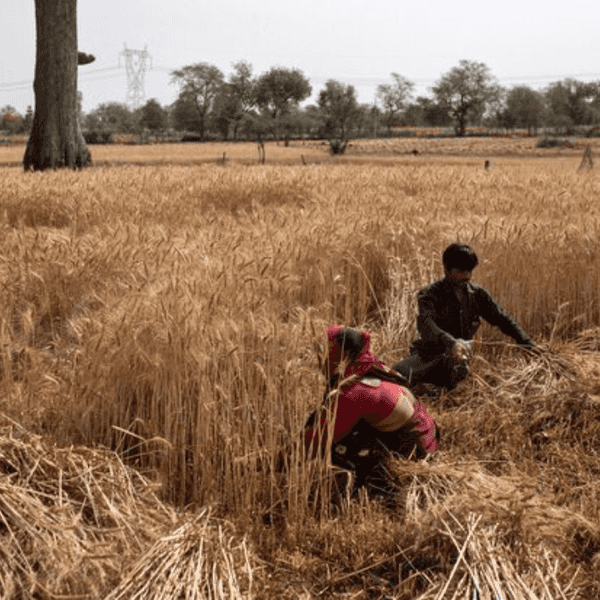
Headline inflation slowed to 11.1% in June 2026, while core inflation eased to 8.4%, although food inflation accelerated because of higher wheat and perishable food prices.
The institute expects inflation to remain above the central bank’s target in the coming months before gradually easing toward the 5% to 7% target range by June 2027.
It said the decision to maintain the policy rate should help anchor inflation expectations but warned that global commodity prices, food inflation and geopolitical developments remain the main upside risks.
Looking ahead, ICMA said monetary policy should remain data-driven and be supported by targeted financing initiatives, supply-side reforms and stronger coordination between fiscal and monetary authorities to ensure sustainable economic growth while preserving macroeconomic stability.







Comments
See what people are discussing