

ICMA issues reform roadmap after IMF flags governance gaps in Pakistan
ICMA’s review moves from IMF diagnosis to execution, turning findings into time-bound actions for agencies

Business Desk
The Business Desk tracks economic trends, market movements, and business developments, offering analysis of both local and global financial news.
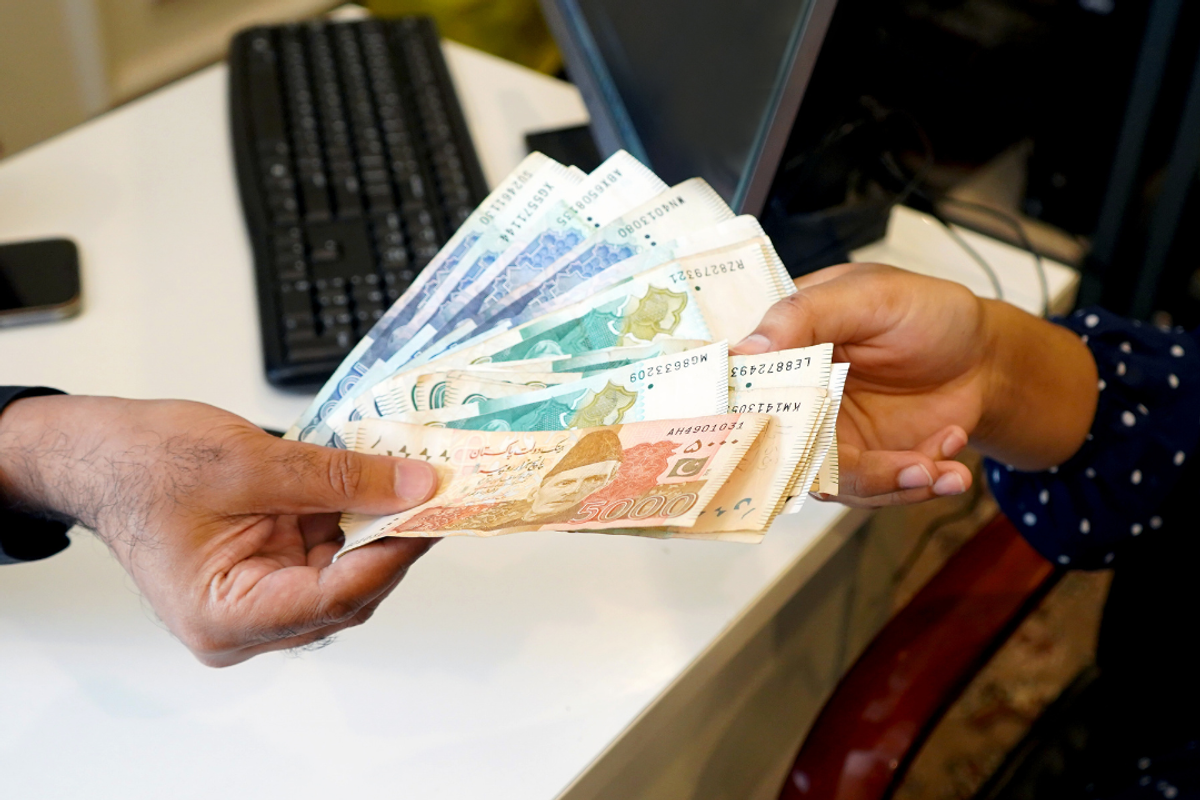
ICMA says the approach is intended to address what it described as a long-standing gap between reform commitments and on-the-ground implementation
Shutterstock
The Institute of Cost and Management Accountants has released a detailed reform roadmap aimed at addressing governance and corruption weaknesses identified by the International Monetary Fund in Pakistan.
The report, titled “ICMA Analytical Review of the IMF Governance and Corruption Diagnostic Report,” builds on the IMF’s Governance and Corruption Diagnostic Assessment issued in November 2025.
It outlines a 32-pillar implementation framework designed to strengthen public institutions, improve accountability and support sustainable economic growth.
Developed by ICMA’s Research and Publications Department, the review shifts the focus from diagnosis to execution, translating IMF findings into actionable recommendations with defined responsibilities and phased timelines for government agencies.
“The IMF has provided a clear diagnostic of systemic governance challenges. Our role, as a premier professional body, is to offer the prescription and the treatment plan,” said Muhammad Yasin, vice president of ICMA and chairman of its Research and Publications Committee, in a message introducing the report.
He said the institute stood ready to support the government, the IMF and other stakeholders in implementing reforms.
The framework assigns specific actions to key institutions, including the Finance Division, the Federal Board of Revenue and the Securities and Exchange Commission of Pakistan, with short-, medium- and long-term deadlines.
ICMA said the approach is intended to address what it described as a long-standing gap between reform commitments and on-the-ground implementation.
The roadmap is structured around five broad pillars, covering fiscal governance, rule of law, anti-corruption, digital and regulatory reforms, and execution mechanisms.
On fiscal governance, ICMA proposed measures to improve budget transparency and curb revenue leakages.
These include the creation of an independent Parliamentary Budget Office, a Public Investment Monitoring Unit for real-time oversight of development projects, and a Revenue Intelligence Unit within the FBR to strengthen data-driven audits.
The review also called for enhanced oversight of state-owned enterprises and the establishment of a consolidated debt management office.
To strengthen the rule of law, the report recommended steps to reduce judicial backlogs and improve contract enforcement.
Proposals included specialized commercial courts, nationwide digital case management systems and expanded use of alternative dispute resolution mechanisms.
It also recommended a national ethics framework with mandatory conflict-of-interest disclosures.
In the area of anti-corruption, ICMA called for improved coordination among enforcement bodies through a proposed National Anti-Corruption Coordination Council.
It also urged stronger whistleblower protections and transparent, merit-based appointments of heads of key regulatory agencies.
The report emphasized digital and regulatory reforms, including wider use of digital identity systems across government services and the creation of a national business registry to reduce red tape.
It also proposed updated competition rules to address digital markets.
ICMA urged the Special Investment Facilitation Council to publish detailed annual reports to enhance investor confidence.
The final pillar focused on execution, proposing a national reform performance dashboard to allow public tracking of progress.
It also called for structured stakeholder engagement and communication strategies to help build public trust.
ICMA said the review offers a practical pathway for Pakistan to meet IMF program commitments while strengthening institutional foundations and restoring public confidence in governance.



Comments
See what people are discussing