

ICMA urges caution on rate cuts as inflation rises ahead of SBP meeting
The institute says petroleum shocks can feed inflation for three to nine months and wants future rate cuts tied to easing core inflation and a stable rupee

Business Desk
The Business Desk tracks economic trends, market movements, and business developments, offering analysis of both local and global financial news.
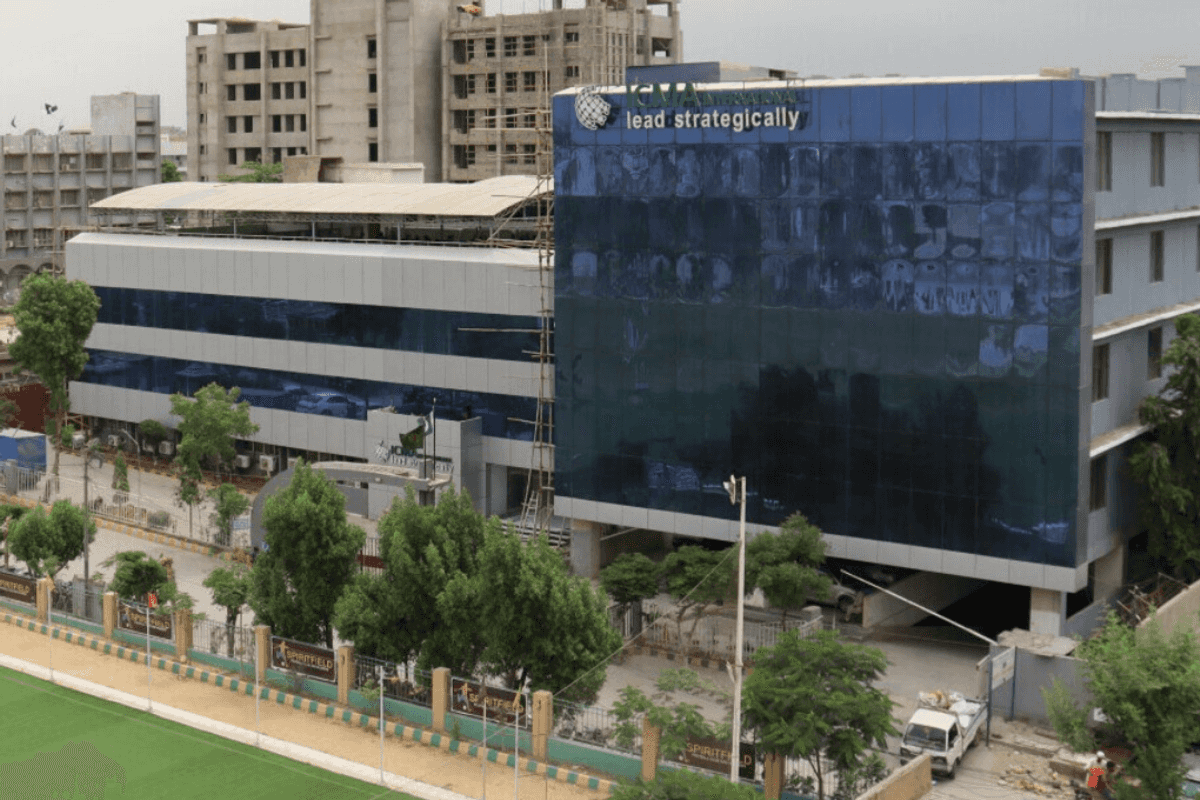
ICMA also found that exchange-rate movements preceded headline and core inflation during several significant periods.
The Institute of Cost and Management Accountants of Pakistan (ICMA) has urged a cautious approach to monetary policy ahead of the State Bank of Pakistan’s September 14 meeting, as inflation rises and petroleum-related pressures increasingly shape Pakistan’s economic outlook.
The policy rate currently stands at 11.5%, while national CPI inflation accelerated to 11.1% year-on-year in August 2026 from 9.2% in July. Core inflation also strengthened to 8.8% in urban areas and 8.5% in rural areas.
How are petroleum imports affecting inflation in Pakistan?
ICMA’s Pre-Monetary Policy Outlook says petroleum import movements have historically preceded headline inflation by three to nine months, particularly during 2022 and 2023. The transmission occurs through transportation, production and distribution costs, while similar lagged effects in core inflation point to the risk of second-round price pressures.
The analysis is based on Wavelet Transform Coherence, which ICMA used to examine the relationship between external inflation signals and domestic prices.
The report found that petroleum import movements tended to lead headline inflation over three- to nine-month horizons during significant periods.
Core inflation showed similar lagged effects, suggesting that higher petroleum costs can eventually spread beyond energy prices into broader goods and services.
How does the exchange rate affect inflation?
ICMA also found that exchange-rate movements preceded headline and core inflation during several significant periods, although the relationship was not consistent throughout the period analyzed.
Between July 2025 and January 2026, the relationship reversed, with inflation itself leading movements in the exchange rate.
The report said petroleum costs and rupee depreciation can together amplify domestic energy costs, making both important indicators for monetary policymakers.
However, ICMA said Pakistan’s 2026 inflation outlook is being shaped more strongly by petroleum-related pressures than by exchange-rate volatility.
What does ICMA recommend for monetary policy?
ICMA recommends a cautious wait-and-see approach, with any future rate cuts dependent on sustained moderation in both urban and rural core inflation.
The institute said further easing should also depend on exchange-rate stability and the absence of renewed petroleum-related cost pressures.
With headline inflation rising in August, ICMA stressed the need to distinguish temporary shocks, such as fuel price spikes, from persistent underlying inflation that spreads into non-energy goods and services.
The report also called for clear policy communication to separate temporary headline increases from more persistent inflationary trends.
ICMA recommended publishing external-risk scenarios to guide market expectations and managing exchange-rate volatility through adequate foreign-exchange buffers rather than defending a fixed rupee level.
“Pakistan’s inflation outlook in 2026 is being shaped more by petroleum-related pressures than by exchange-rate volatility,” the report said. “With headline inflation rising in August, distinguishing between temporary shocks and persistent underlying inflation is crucial for policy credibility.”



Comments
See what people are discussing