

IHC bars use of state resources for PTI's September 27 march
Islamabad High Court bars use of state resources for PTI's Sept 27 march, ruling protests cannot block roads or disrupt public services.

Aamir Abbasi
Editor, Islamabad
Aamir; a journalist with 15 years of experience, working in Newspaper, TV and Digital Media. Worked in Field, covered Big Legal Constitutional and Political Events in Pakistan since 2009 with Pakistan’s Top Media Organizations. Graduate of Quaid I Azam University Islamabad.
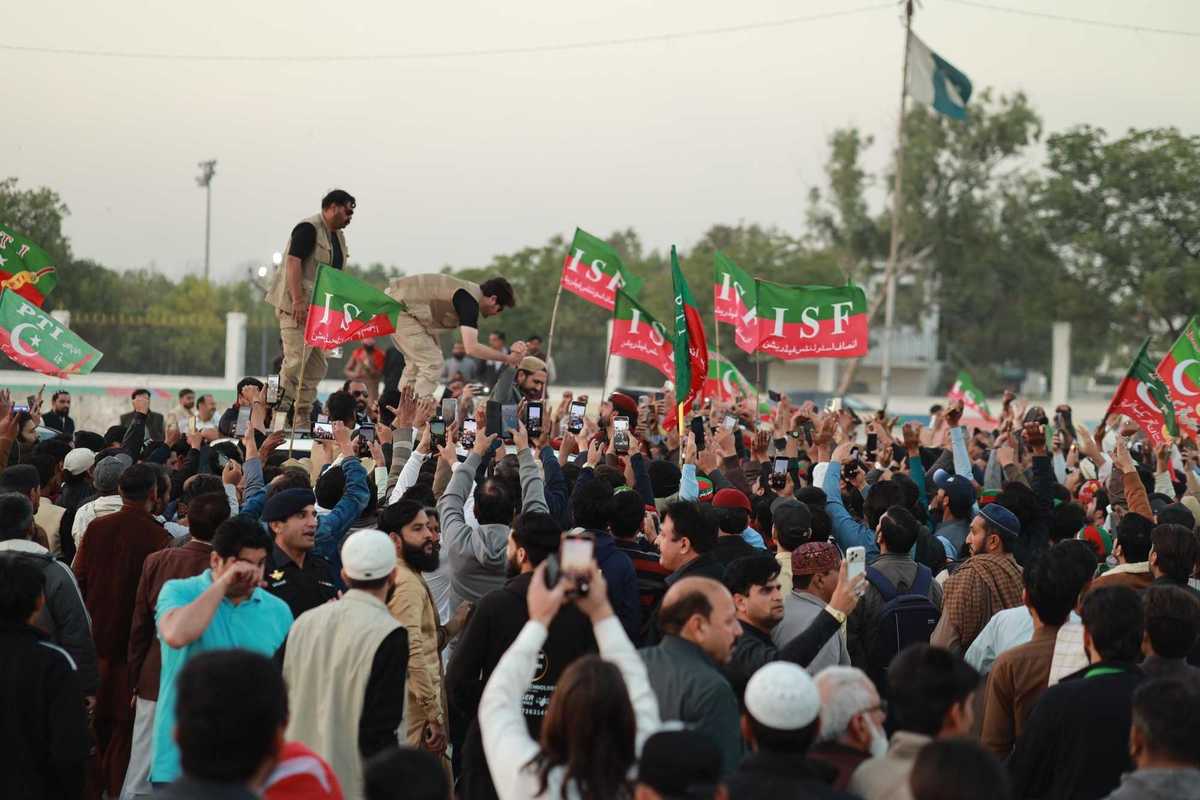
Pakistan's Islamabad High Court on Friday issued its written ruling that political parties have a constitutional right to peaceful protest, but cannot block roads, disrupt public services or use government resources for political activity. The ruling, verbally issued earlier this week, addresses Pakistan Tehreek-e-Insaf's planned Sept. 27 long march on Islamabad.
What did the Islamabad High Court rule on the PTI march?
The IHC ruled that political dissent and peaceful assembly are protected under the Constitution, but that protection does not extend to blocking roads or using state machinery. Government funds, vehicles and personnel cannot be used to support a political party's march, and provincial chief ministers must ensure state resources stay out of the protest.
Who issued the judgment?
A three-member larger bench headed by IHC Chief Justice Sardar Muhammad Sarfraz Dogar issued the detailed judgment. Justice Muhammad Azam Khan and Justice Muhammad Asif also sat on the bench. The court was hearing a petition concerning PTI's proposed long march and protest.
Why did the court bar the use of state resources for the PTI march?
The court said citizens' fundamental rights, including life, liberty, freedom of movement and access to hospitals, courts and schools, cannot be sacrificed for political activity. It said any activity that violates these rights would itself amount to a violation of the Constitution. The judgment cited Article 15, which guarantees freedom of movement, and Article 16, which protects peaceful assembly subject to reasonable legal restrictions.
Can PTI still hold its Sept 27 protest?
The court reiterated that PTI's constitutional right to peaceful protest remains intact. It said the aim was to balance political parties' right to assemble with the fundamental rights of citizens living and working in Islamabad. Protests remain lawful as long as they do not involve violence, weapons or road blockades.
What happens if officials violate the ruling?
The IHC said government officials should not be compelled to join political protests or rallies, and those facing such pressure should report it to their chief secretary, chief commissioner or inspector general of police. It said conduct that violates fundamental rights because of an official's actions could amount to a breach of that official's oath, carrying legal consequences. The court referred to previous PTI protests in 2022 and 2024, noting they had caused security challenges and property damage in Islamabad.
What did the court say about provincial resources?
The IHC observed that resources from Khyber Pakhtunkhwa had allegedly been used for political purposes during earlier marches, complicating law and order in Islamabad. It said an aggressive march by a provincial government or state entity against the federation would be unconstitutional and unlawful. Those organizing, participating in or promoting an unlawful march could face legal consequences, the court said.





Comments
See what people are discussing