

IHC suspends Islamabad local government election schedule after ordinance lapse
The Islamabad local government election schedule is on hold after the IHC suspended the ECP's October 21 order over a lapsed ordinance. Next hearing is Nov 26.

Aamir Abbasi
Editor, Islamabad
Aamir; a journalist with 15 years of experience, working in Newspaper, TV and Digital Media. Worked in Field, covered Big Legal Constitutional and Political Events in Pakistan since 2009 with Pakistan’s Top Media Organizations. Graduate of Quaid I Azam University Islamabad.
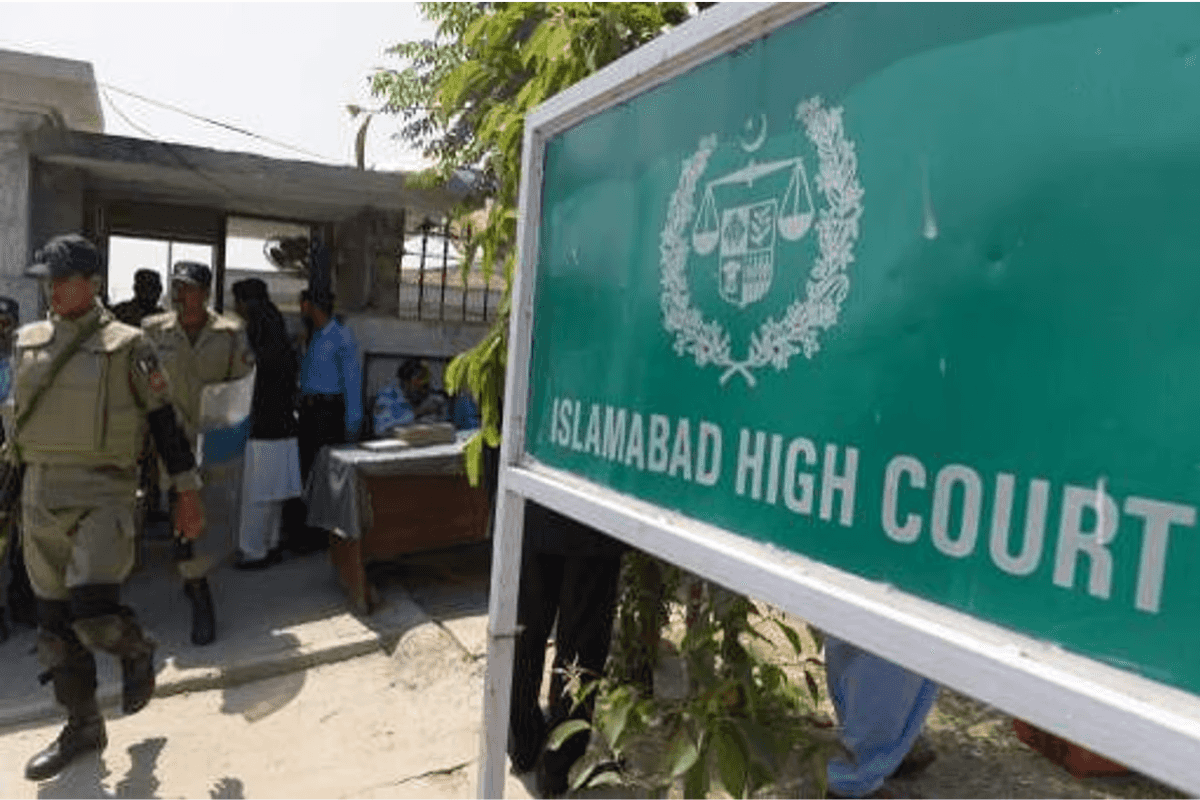
The Islamabad High Court (IHC) on Friday suspended the Election Commission of Pakistan's (ECP) October 21 order and the Islamabad local government election schedule. The court heard a petition by Chaudhry Amjad Ali challenging the polls after a 2026 local government ordinance lapsed.
Why did the IHC suspend the Islamabad local government election schedule?
The court observed that the 2026 ordinance ceased to have effect once its 120-day extension ended, which revived the Local Government Act, 2015. The petitioner argued that the ECP's order ignored the 125 Union Councils and nine-ward structure required under that law, so fresh delimitation was needed before any election. The polling had been set for December 20, 2026.
How did the 2026 ordinance change the local government structure?
According to the written order, the petitioner said the original Islamabad Capital Territory Local Government Act, 2015, provided for one Metropolitan Corporation and 125 Union Councils. Each Union Council was divided into nine wards.
The court noted that the Islamabad Capital Territory Local Government Ordinance, 2026, introduced three Town Corporations and raised the number of Union Councils from 125 to 130. It also abolished the nine-ward structure and introduced delimitation based on census blocks.
The ECP issued a delimitation schedule on December 12, 2024. After completing the process, it announced an election program on December 26, 2025, but later withdrew it.
The commission then issued a revised delimitation schedule on August 25, 2026, and published the final list of 130 Union Councils on October 14.
The court observed that the 120-day extension granted to the ordinance under Article 89 of the Constitution had expired, so the ordinance ceased to have effect and the Local Government Act, 2015, was revived. On October 21, 2026, the ECP ordered elections under the earlier law and announced the schedule the same day.
What did the petitioner argue against the ECP order?
The petitioner argued that the October 21 order did not address the delimitation of 125 Union Councils, their nine-ward structure or the Metropolitan Corporation, all of which the revived law requires. He contended that delimitation done under the amended framework could not serve as the basis for elections under the 2015 legislation.
He further argued that fresh delimitation and the preparation of electoral rolls were mandatory before polls could be held under the Local Government Act, 2015, and the Elections Act.
Holding elections without completing that delimitation would violate Article 218(3) of the Constitution, the Local Government Act, 2015, and the Elections Act, he argued. He added that it would also waste public funds.
When is the next IHC hearing on the local government elections?
After hearing preliminary arguments, the IHC suspended the ECP's October 21 order and the election schedule. The court issued notices to the ECP and other respondents.
The respondents must submit their reports and para-wise comments before the next hearing on November 26, 2026.




Comments
See what people are discussing