

Pakistan launches new auto policy to cut vehicle prices and boost EVs
Pakistan’s new auto policy aims to cut vehicle prices and boost EVs, with export rewards, phased duty cuts and lower proposed taxes on electric cars

Business Desk
The Business Desk tracks economic trends, market movements, and business developments, offering analysis of both local and global financial news.
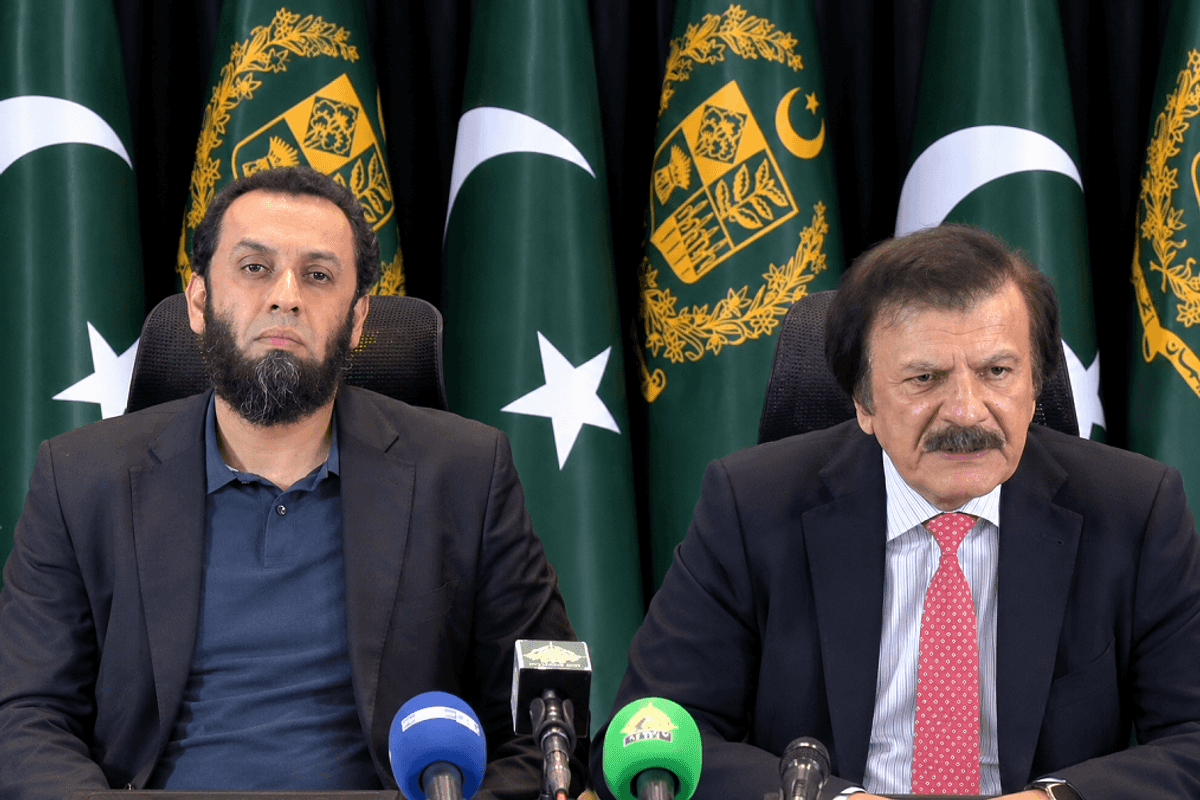
Industries Adviser Haroon Akhtar Khan (R) and Information Minister Attaullah Tarar announce new auto policy to lower vehicle prices and promote EVs.
Screengrab
Pakistan’s federal government on Saturday unveiled a new auto policy to lower vehicle prices, promote electric vehicles (EVs), strengthen domestic manufacturing and reduce the fuel import bill.
Adviser to the Prime Minister for Industries and Production Haroon Akhtar Khan announced it at a news conference alongside Information Minister Attaullah Tarar.
نئی آٹو پالیسی میں تمام اسٹیک ہولڈرز کی مشاورت، ٹیکنیکل ڈیٹا کے تجزیے اور دنیا کے مختلف ماڈلز کا جائزہ لیا گیا۔مقامی صنعت میں جدت، ویلیو ایڈیشن اور لوکلائزیشن کو فروغ دیا جائے گا تاکہ روزگار کے مواقع پیدا ہوں اور گاڑیوں کی برآمدات ممکن ہوں۔الیکٹرک وہیکلز کی حوصلہ افزائی سے کاربن ایمیشنز اور تیل کا امپورٹ بل کم ہوگا، چارجنگ اسٹیشنز کے قیام پر بھی سہولیات دی گئی ہیں۔وزیراعظم شہباز شریف کا یہ اقدام پاکستان کے شہریوں کو سستی، معیاری اور ماحول دوست سواری فراہم کرنے کی جانب اہم پیش رفت ہے۔
— Attaullah Tarar (@TararAttaullah) November 7, 2026
What does Pakistan’s new auto policy aim to do?
The policy aims to make vehicles cheaper by cutting duties on production inputs. It also sets a target of making 30% of new vehicles electric by 2030 and ties incentives for carmakers to exports and localisation. Several EV measures are still proposals, and the sales tax rates need IMF approval.
Tarar said the policy followed extensive consultations with industry stakeholders, analysis of technical data and a comparative assessment of international models.
How will the policy lower vehicle prices?
The government plans to reduce customs duties gradually over five years on completely knocked-down (CKD) kits, components, sub-components and raw materials. The aim is to lower production costs and make vehicles more affordable.
The policy also proposes regulating the advance payments that original equipment manufacturers (OEMs) collect and introducing mandatory localisation requirements to strengthen domestic production.
What incentives does the policy offer carmakers?
Manufacturers that meet their export targets will qualify for a 5% drawback of local taxes and levies (DLTL), plus an additional 10% incentive on incremental exports. Companies that fail to meet their commitments will face penalties and must comply with minimum localisation targets.
Akhtar said manufacturers would not qualify for export rebates unless they met both their export and domestic manufacturing targets.
What incentives are proposed for electric vehicles?
The government has proposed sales tax rates of 1% for fully electric vehicles, 6% for range-extended electric vehicles and 9% for plug-in hybrid electric vehicles. These rates are subject to approval from the International Monetary Fund (IMF). EVs priced below $50,000 would also be exempt from capital value tax, withholding tax and federal excise duty.
The government plans to raise the financing limit for EV purchases from Rs3 million to Rs10 million and extend repayment periods from three years to five. It also proposes incentives for charging infrastructure, including customs duty concessions on charging equipment and a cut in sales tax.
What did the information minister say about the policy?
Tarar said decades of protection for the domestic auto industry through high import duties had failed to deliver the expected gains in innovation, value addition and vehicle quality. “The protection extended to the local industry was meant to ensure better quality, innovation and facilities for ordinary consumers. Unfortunately, the industry did not make the progress expected of it,” he said.
He said the government had considered the purchasing power of lower-income households. Petrol-powered vehicles with engines below 1,000cc would remain outside the proposed changes affecting the segment, he added.
Tarar said promoting EVs would help cut carbon emissions, improve environmental conditions and lower Pakistan’s petroleum import bill. He pointed to the growing use of electric motorcycles and scooters, particularly among women, and said the shift could transform the transport sector. “Just as Pakistan witnessed a solar energy revolution, this policy can help bring a similar transformation in the transport sector,” he said.
Prime Minister Shehbaz Sharif is focused on affordable transport for middle- and lower-middle-income households, Tarar added.



Comments
See what people are discussing