

IMF warns low-income countries face rising risks amid global uncertainty
Board highlights debt pressures, declining aid and need for stronger fiscal reforms

Haris Zamir
Business Editor
Experience of almost 33 years where started the journey of financial journalism from Business Recorder in 1992. From 2006 onwards attached with Television Media worked at Sun Tv, Dawn Tv, Geo Tv and Dunya Tv. During the period also worked as a stringer for Bloomberg for seven years and Dow Jones for five years. Also wrote articles for several highly acclaimed periodicals like the Newsline, Pakistan Gulf Economist and Money Matters (The News publications)
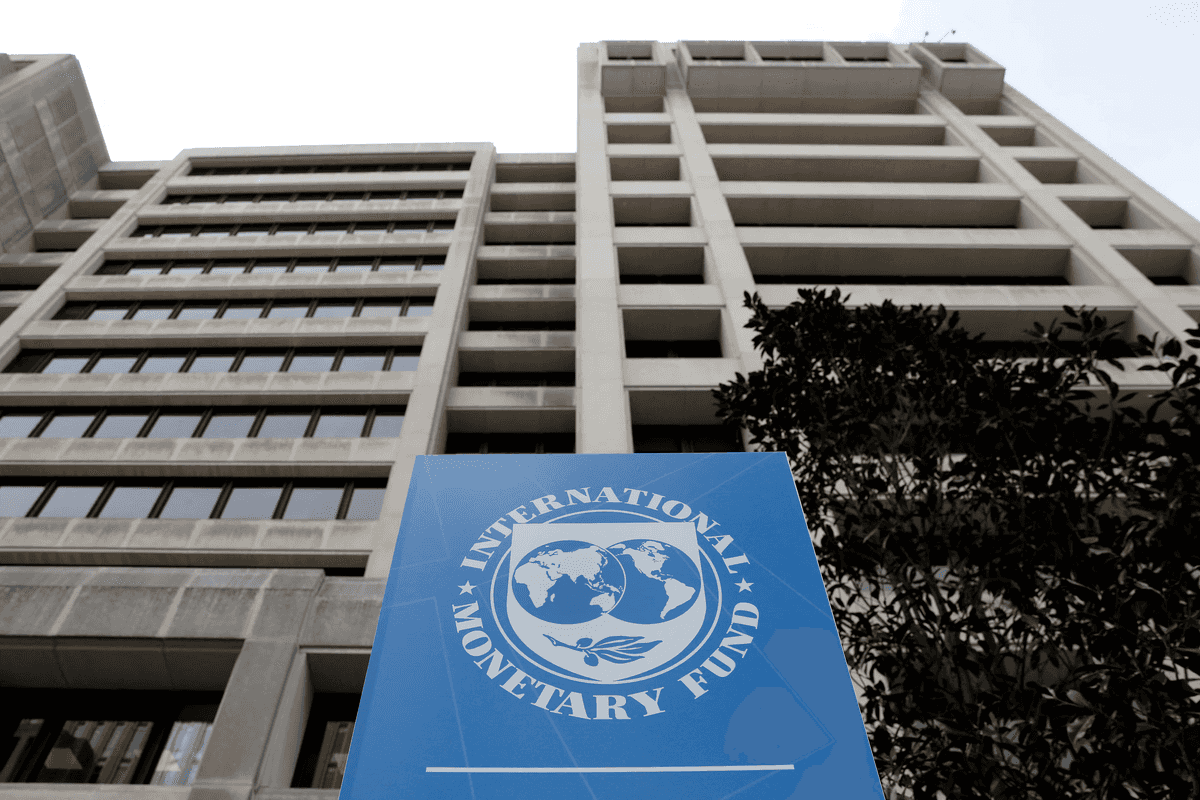
The International Monetary Fund’s Executive Board has warned that low-income countries (LICs) face growing economic risks from global uncertainty, shifting financing conditions and geopolitical tensions, including the ongoing conflict in the Middle East.
In a discussion of an IMF staff paper on macroeconomic developments in LICs, the Board said these economies are navigating a “highly uncertain global environment” shaped by changes in trade, migration, digital finance and public spending priorities.
Growth resilient but uneven
The IMF said GDP growth across LICs averaged 4.8% in 2025, but outcomes remain highly uneven.
Some countries are among the world’s fastest-growing economies, while others continue to struggle to achieve meaningful gains in per capita income, particularly those affected by conflict and fragility.
Directors noted that inflation has generally eased and internal and external imbalances have narrowed, but warned that debt vulnerabilities remain high and fiscal space is constrained.
“Tighter external conditions have accelerated a shift toward domestic borrowing,” the Board said, raising concerns about financial stability risks linked to sovereign-bank exposure.
Financing pressures intensify
External financing conditions have weakened, with net financial inflows to LICs falling by about one-third from earlier peaks due to declines in foreign direct investment and external debt flows.
Official development assistance has also declined to 4.3% of GDP from an average of 5% in 2010–14 and is expected to fall further, alongside a shift from grants to loans and from budget support to project financing.
While remittances have increased, the IMF warned that changes in global immigration policies could pose risks to these flows.
The Board stressed that concessional resources should be prioritized for poorer and more fragile countries with limited market access.
Fiscal reforms key to attracting investment
The IMF highlighted that stronger fiscal discipline and institutions — particularly in revenue administration and public financial management — are closely linked to higher and better-quality foreign direct investment.
Directors said such reforms are more effective than commonly used incentives such as tax breaks or special economic zones, unless supported by strong fiscal frameworks.
They emphasized the need for domestic policy reforms to boost productivity, strengthen governance and support private sector-led growth, alongside improved debt management and transparency.
Looking ahead, the Board said divergence across LICs is likely to persist, with “substantial downside risks” from global uncertainty and potential domestic shocks.
It also underscored the importance of continued support from international partners, including coordinated efforts with the World Bank, to help countries strengthen resilience and achieve inclusive growth.





Comments
See what people are discussing