

Pakistan’s inflation up 0.24% in third week of December
On a yearly basis, the Sensitive Price Indicator went up by 3.75%

Abdul Moiz
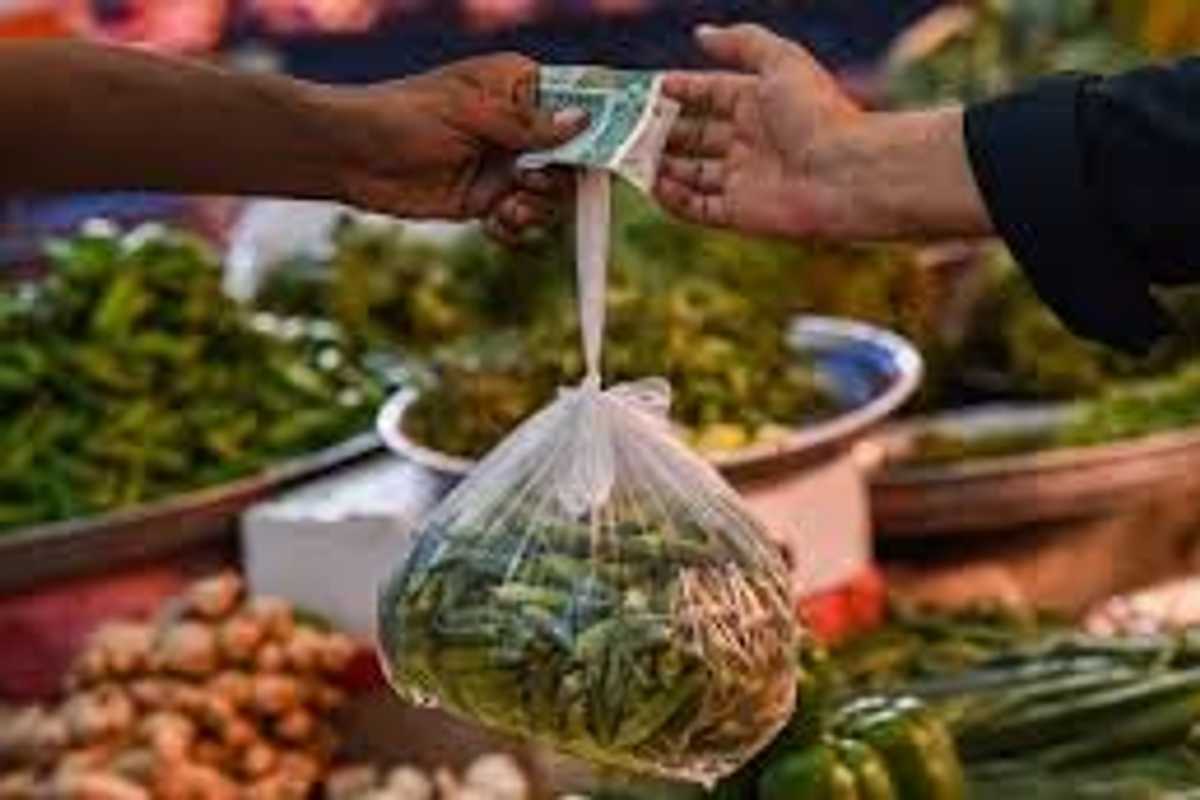
The biggest week-on-week increase was observed in the prices of food items
Pakistan’s weekly inflation increased by 0.24% in the week ending December 18, driven mainly by higher food prices, according to official data.
According to the latest Sensitive Price Indicator (SPI) released by the Pakistan Bureau of Statistics (PBS), year-on-year inflation for the week went up by 3.75%.
The biggest week-on-week increase was observed in the prices of chicken (11.11%), chili powder (3.08%), eggs (2.88%), shirting (1.64%), and firewood (0.86%).
On the other hand, a major decrease was recorded in the prices of tomatoes, which fell by 11.38%, followed by potatoes (8.39%), diesel (5%), sugar (4.52%), onions (3.52%) and pulse mash (1.29%).
The SPI, which tracks the prices of 51 essential commodities from 50 markets across 17 cities, is used as a key gauge of short-term inflation trends.
Pakistan tracks inflation weekly and monthly. The former is called the SPI, while the latter is tracked through the Consumer Price Index (CPI).
In November, the CPI or headline inflation rose to nearly 6.1%, making it the second straight month with inflation over 6%.
The World Bank has warned that flood-related shocks to food supply could push inflation higher than earlier projections, peaking at 7.2% in FY26 before easing to 6.8% in FY27 as food supply constraints resolve, global commodity and energy prices decline, and the exchange rate remains market-determined.
Earlier this month, the Asian Development Bank (ADB) said Pakistan’s economic growth outlook has strengthened for 2025 and 2026 as prices of key food items have stabilized after spiking in the months following last year’s floods.
The ADB noted that Pakistan’s government has revised its GDP growth estimate for FY25 to 3%, up from an earlier 2.7% projection. Despite disruptions from the June flooding, the economy expanded 5.7% in the fourth quarter, and large-scale manufacturing has grown robustly in recent months of FY26.





Comments
See what people are discussing