

Iran bans export of food products 'to meet local needs'
The country’s prominent non-oil exports include pistachios, dates, honey, walnuts, and watermelons

Business Desk
The Business Desk tracks economic trends, market movements, and business developments, offering analysis of both local and global financial news.
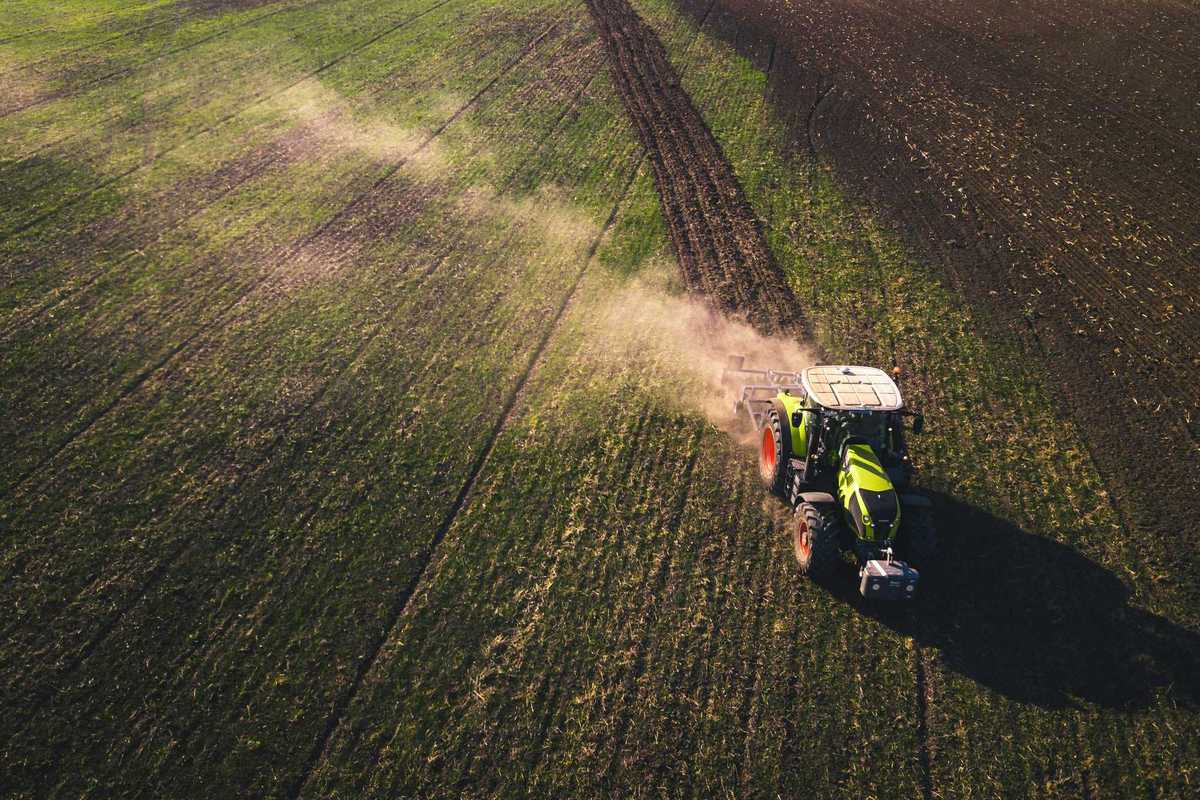
Iran has banned the export of all food and agricultural products to meet local needs as the U.S. and Israel continue to carry out strikes inside the country, Iran’s semi-official Tasnim news agency reported on Tuesday.
The decision has been made to “prioritize the provision of basic, sensitive and essential goods needed by the people due to the current situation in the country”.
According to the report, the ban will remain in place until further notice.
The conflict, which started when the U.S. and Israel carried out strikes in Iran killing the supreme leader on Saturday, has resulted in turmoil across the Middle East.
The escalating tensions have disrupted global trade, particularly through the narrow Strait of Hormuz, a vital shipping corridor between Iran and the UAE, which is a transit route for a bulk of global energy supplies.
Iran’s biggest export is oil, but the country prominent non-oil exports, including pistachios, dates, honey, walnuts, and watermelons.
According to the Ministry of Foreign Affairs, Iran is among the top five global producers of sour cherries, almonds, walnuts, aubergines, apples, and apricot




Comments
See what people are discussing