

Middle East conflict could strain energy-importing emerging markets, Fitch says
Ratings agency warns higher oil prices may pressure Pakistan and others while exporters could gain windfall

Business Desk
The Business Desk tracks economic trends, market movements, and business developments, offering analysis of both local and global financial news.
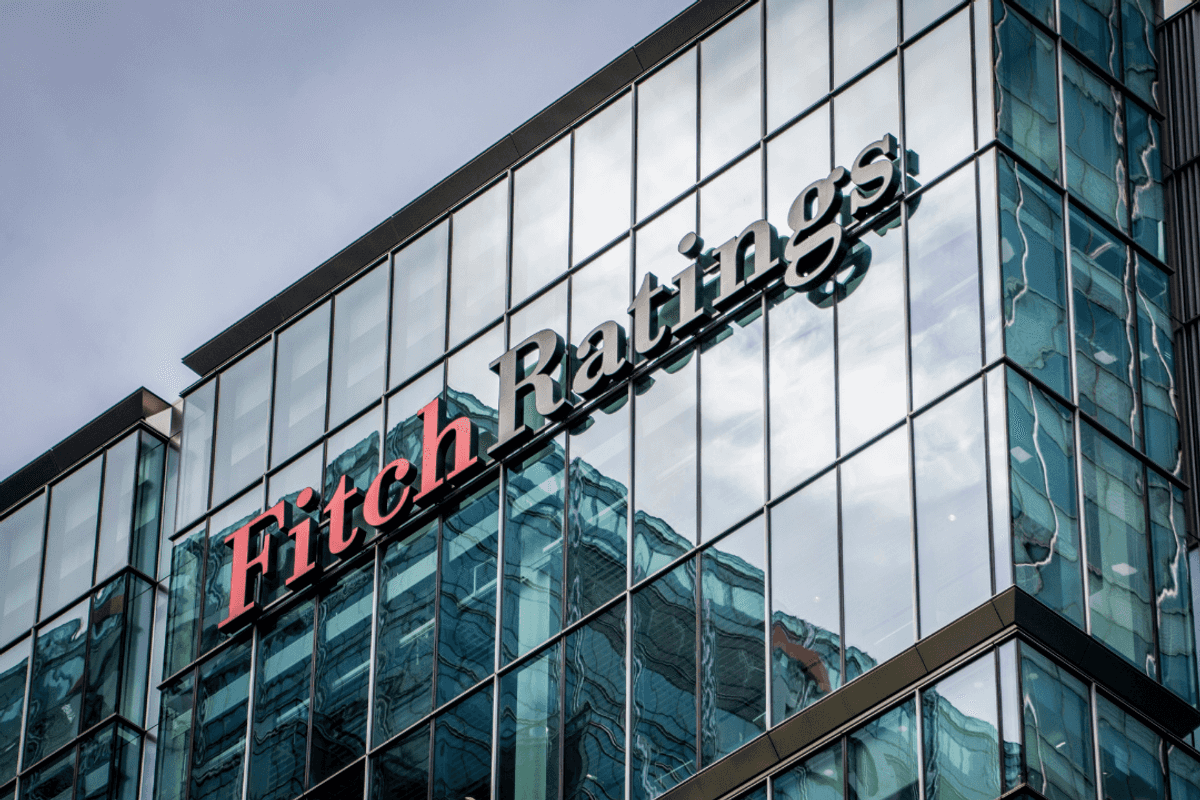
The U.S. and Israel war against Iran could create additional economic pressures for some emerging market sovereigns through higher energy import costs, weaker remittances and tighter global financing conditions, Fitch Ratings said.
The ratings agency said the effects would vary across countries, with hydrocarbon exporters potentially benefiting from higher prices while energy-importing economies face greater pressure.
Under its baseline scenario, Fitch assumes the effective closure of the Strait of Hormuz lasts less than a month and that major damage to regional oil production infrastructure is avoided.
“Risks to emerging market ratings should be contained,” Fitch said, though a longer closure of the shipping route or more sustained disruption could lead to a more significant impact.
Energy imports pose key risk
Fitch said oil and gas imports represent the most direct channel through which the conflict could affect emerging market economies due to rising global energy prices.
Net fossil fuel imports account for at least 3% of gross domestic product in several larger emerging markets, including Chile, Egypt, India, Morocco, Pakistan, the Philippines, Thailand and Ukraine, according to Fitch estimates.
Vulnerabilities to higher import costs are expected to be most acute in countries with already strained financing conditions or large external imbalances.
Among these, Fitch said Pakistan faces stretched financing capacity, while Ukraine was expected to run a current account deficit of 15.4% this year. Moderate deficits were also projected for the Philippines at 3.4% and Egypt at 3.0%.
More prolonged increases in energy prices could intensify external pressures, particularly if accompanied by other shocks such as disruptions to remittance inflows, Fitch said. Countries with current account surpluses, such as Thailand, are better positioned to absorb such pressures.
Fiscal and financing pressures
Sustained higher energy prices could also increase fiscal strains for governments that subsidize fuel or introduce new support measures to shield consumers from rising costs.
Fitch said a longer disruption to Gulf energy supplies than assumed in its baseline scenario could weaken global investor sentiment, strengthen the U.S. dollar and reduce demand for emerging market debt issuance.
Higher energy prices could also fuel inflation, potentially affecting monetary policy decisions globally.
“These factors are likely to increase the effective cost of servicing and refinancing debt for emerging market sovereigns,” Fitch said.
However, the agency noted that many emerging market governments issued a large portion of their planned foreign-currency debt earlier in the year, particularly in January and February, providing some protection against short-term volatility in financial markets.
Trade, remittances and commodity impacts
Economic disruption in Gulf Cooperation Council countries could also affect emerging markets that depend heavily on trade or remittance flows from the region.
Fitch said weaker non-oil activity in the Gulf, including disruptions to logistics and tourism, could affect countries with strong economic ties to the region. Egypt and Jordan were identified as particularly exposed to tourism and remittance risks, while remittance flows from the Gulf are important for several South Asian economies.
Countries that rely heavily on imports from GCC states could also face supply chain disruptions that affect output and prices.
The conflict could also influence other commodity markets. The Gulf region plays an important role in global aluminium production and is a key supplier of inputs for fertiliser manufacturing, which could have wider implications for global food production and inflation.
Fitch said some countries could also face country-specific risks. Azerbaijan, Iraq and Turkiye, for example, could be affected if instability in Iran triggers a significant outflow of refugees.
By contrast, emerging market hydrocarbon exporters outside the Gulf could benefit from sustained higher energy prices. Countries such as Angola, Argentina, Azerbaijan, Brazil, Colombia, Ecuador, Gabon, Kazakhstan, Nigeria and the Republic of Congo could experience stronger export revenues and fiscal gains.
Fitch said the durability of any improvement in external balances and public finances would be an important factor in future rating assessments.




Comments
See what people are discussing