

Iran MPs present bill on Strait of Hormuz, security committee chief says
Iran's parliament has introduced a bill on the Strait of Hormuz, security committee chief Ebrahim Azizi says, as fighting flares over the waterway

News Desk
The News Desk provides timely and factual coverage of national and international events, with an emphasis on accuracy and clarity.
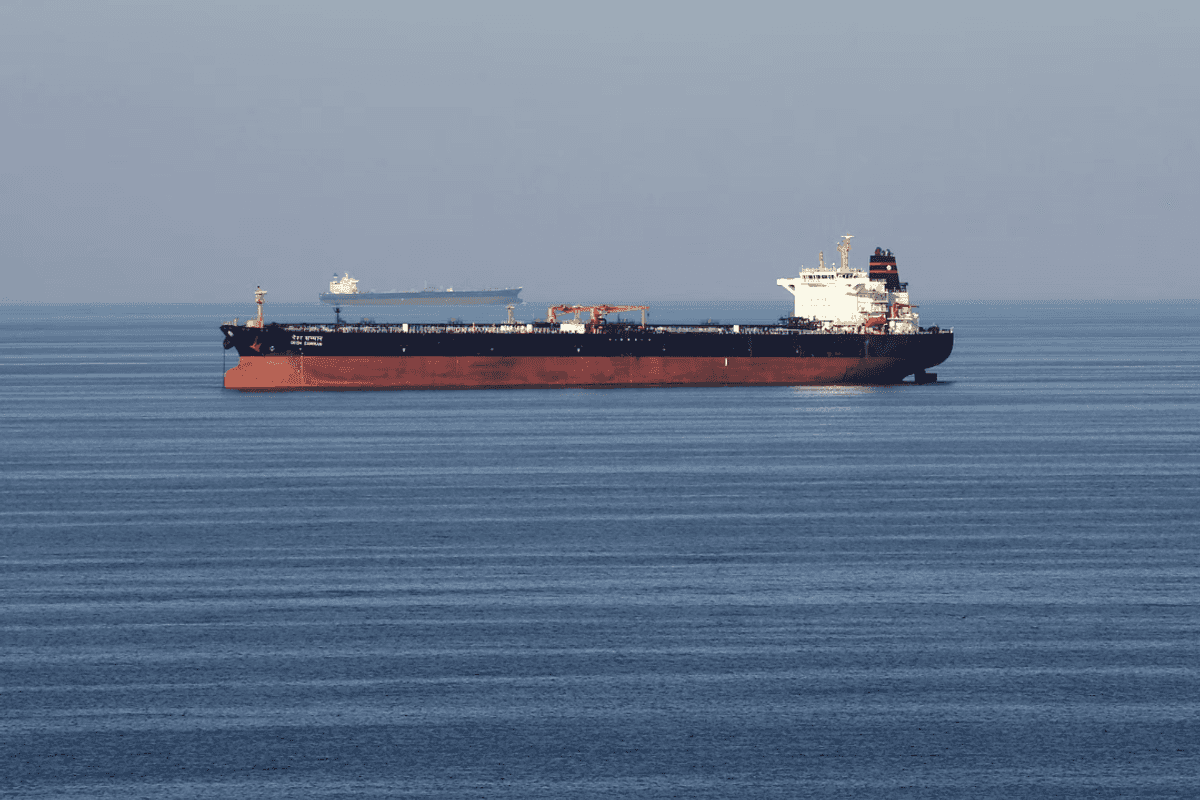
Iran's parliament has begun work on a bill on the Strait of Hormuz, the head of the security committee said on Tuesday, as fighting flared between Washington and Tehran over the strategic waterway.
What is Iran's Strait of Hormuz bill?
The "Strategic Action for the Security and Sustainable Progress of the Strait of Hormuz and the Persian Gulf" bill was formally introduced in parliament, security committee chief Ebrahim Azizi said. He wrote on X that the move coincided with the downing of US drones and described it as the first step, with further measures to follow.
"We remain steadfast in defending our red lines, particularly regarding the management of the Strait of Hormuz," Azizi added.
Why are the US and Iran fighting over the strait?
US-Iran fighting reignited last week over disagreements on how the vital strait would be managed. The clash threw into question a framework deal signed last month that sought to end the Middle East war. Tehran envisages itself as overseeing the strait and wishes to impose fees on transiting vessels, a demand Washington has strongly rejected.
What did Trump say about the Strait of Hormuz?
President Donald Trump said on Monday that the United States was "taking over" Hormuz and reimposing a blockade of Iranian ports. He also floated a 20 percent fee on cargo transiting the waterway.
Has Iran closed the Strait of Hormuz?
Iran declared on Sunday that the strait was closed. It had earlier opened the waterway to shipping during negotiations with the United States aimed at reaching a final deal to permanently end the war.
Who leads Iran's parliament in the Hormuz talks?
Iran's legislature had been suspended after the war broke out in late February but resumed sessions on Monday. Parliament is headed by Mohammad Bagher Ghalibaf, who also serves as chief negotiator in talks with Washington, a role that has thrust him further into the political limelight in recent months. A number of lawmakers oppose any negotiations with the United States and have expressed concern over having no say in the signing of the memorandum of understanding with Washington.



Comments
See what people are discussing