

Iran rejects Trump's negative portrayal of its regional role
Iran's foreign minister called the May 11 Iran-U.S. talks "difficult," urging the U.S. to adopt "more realistic positions" on enrichment after understanding Iran's core stance

Reuters
News Agency Partner
Reuters is a leading source of news and information, delivering fact-based reporting and expert analysis on international events and trends.
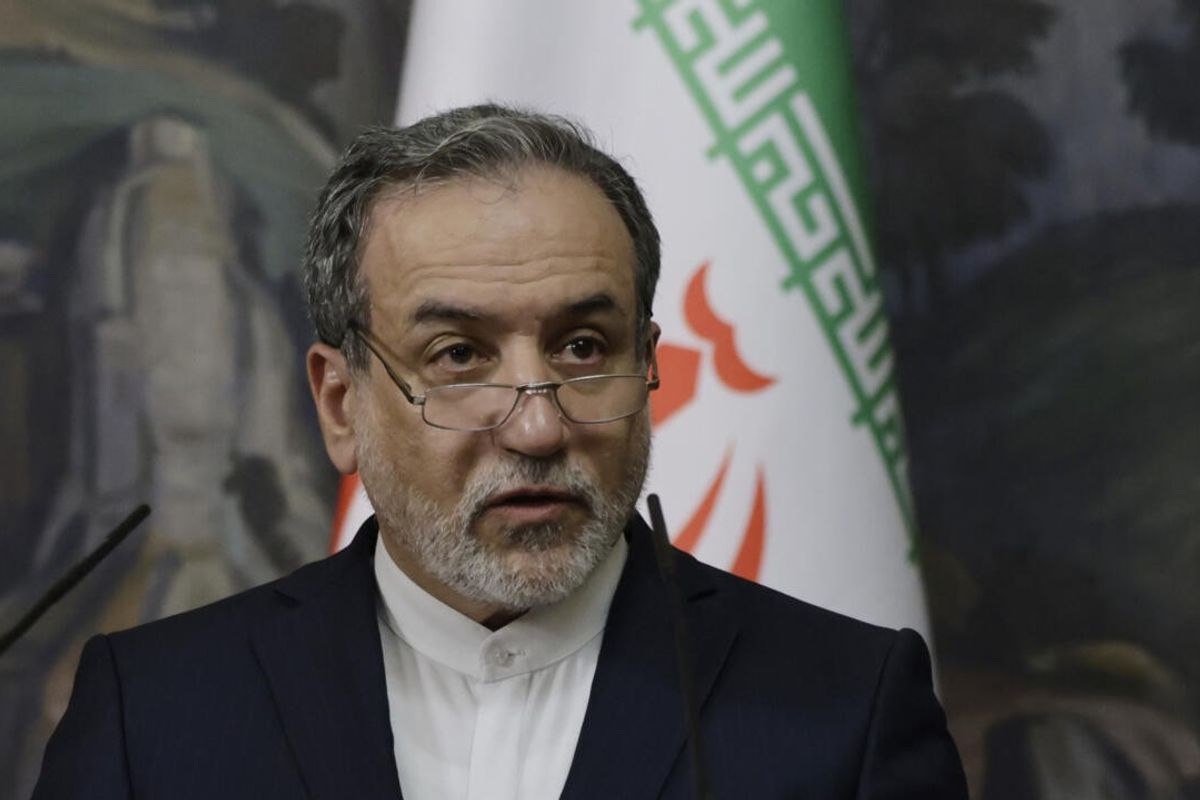
Iran's foreign minister on Wednesday called his country's characterization by U.S. President Donald Trump as the "most destructive force" in the Middle East "deceptive", days after a fourth round of Iran-U.S. nuclear talks.
Abbas Araqchi also confirmed a Reuters report that the Iranian deputy foreign minister will meet in Istanbul with British, French and German diplomats on Friday to consult on the parameters of a potential new nuclear deal being negotiated between Tehran and Washington.
Iran's foreign minister said the fourth round of Iran-U.S. talks held on May 11 was "difficult" as they focused on the controversial issue of enrichment, adding he hoped the U.S. side would come with "more realistic positions" after gaining a better understanding of Iran's fundamental positions.
A fifth round of talks is to be announced by Oman's foreign ministry which has acted as mediator since the start of the talks in April.
On the first leg of his Gulf visit in Riyadh, Trump drew a stark contrast between what he called the "constructive vision" of Saudi Arabia and the "collapse and suffering" he said had been caused by Iranian leaders.
Washington has for long accused Tehran of "malign and destabilizing activity" in the region, including the support of non-state armed groups such as Yemen's Houthis which fall within the Iran-backed "Axis of Resistance" to Israel and U.S. influence in the region.
"Unfortunately, this is a very deceptive view. The Iranian nation pursues the same aspirations toward progress and prosperity as other regional countries. It is the U.S. with its sanctions and threats which has blocked Iran's path to progress," Araqchi said.
"Trump turns a blind eye to Israel's crimes and wants to present Iran as a threat to the region," he said.
Iran's top diplomat explained his recent trip to Saudi Arabia and Qatar was related to Iran-U.S. nuclear negotiations, saying Tehran keeps its neighbors informed and seeks a regional understanding regarding a potential agreement with the U.S.
"We are very interested in having a regional understanding regarding these talks and potential agreement that will lead to increased security and improved regional understanding without the interference of any foreign country," he said.






Comments
See what people are discussing