

Pakistani dramas are speaking Arabic, and the Middle East is obsessed
How Urdu storytelling, short formats, and emotional depth are unlocking a brand-new global audience

Maha Owais
Producer
Maha is a content strategist and producer with a knack for digital storytelling.
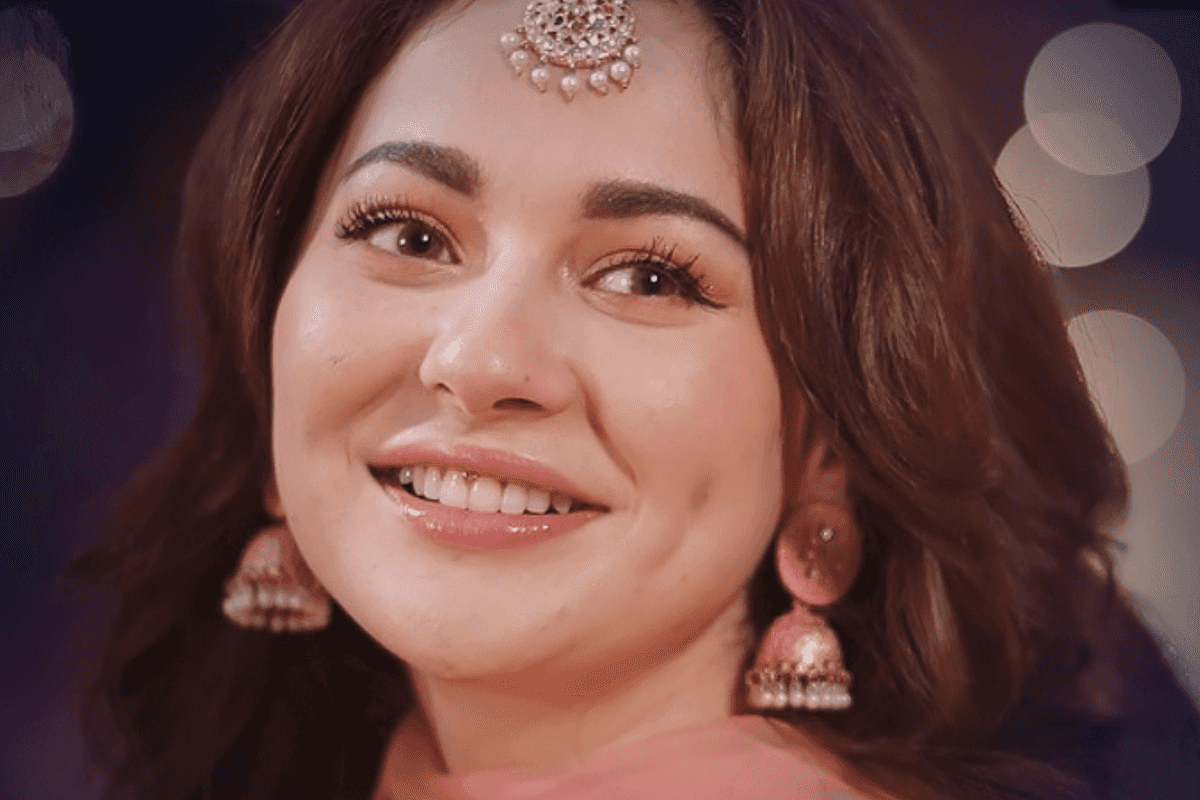
Hania Aamir
Canva
- Pakistani dramas are blowing up in the Middle East through Arabic dubbing.
- The short, fast-paced format makes them super bingeable.
- Universal themes help them connect instantly with Arab audiences.
Imagine opening YouTube and hearing Hania Aamir or Sajal Aly… speaking flawless Arabic.
Feels surreal, right? But thanks to a cultural shift none of us saw coming, that day is officially here.
Pakistani dramas are now being dubbed into Arabic — not lightly, not occasionally, but at a scale that’s turning heads across the Gulf and Middle East.
The Rise of ARY Arabia & A New Audience
ARY Arabia, a channel with 500,000+ subscribers and rapidly growing, is dubbing our most popular Urdu dramas entirely in Arabic and releasing them consistently. This is not just a translation exercise — it’s an entry point into a completely new entertainment ecosystem.
But here’s the fun part:
Hum Arabia actually started this trend a few years ago with their Arabic dub of Parizaad. It created a spark.
ARY Arabia turned that spark into a steady flame — and the Arab audience has embraced it wholeheartedly.
Why the Middle East Is Loving Our Dramas
The global boom of entertainment has always followed a pattern.
K-dramas arrived and reshaped the world.
Turkish dramas took over and became household favorites across Asia.
Now?
Pakistani dramas are stepping into the spotlight with stories that feel deeply human across every culture.
Shows like Humsafar, Zindagi Gulzar Hai, Kuch Ankahi, and Mujhay Pyaar Hua Tha are becoming the Middle East’s new comfort watches — emotional, familiar, beautifully flawed, and real.
Our Secret Weapon: The Short-Format Formula
Here’s the core reason this trend is exploding: Pakistani dramas don’t drag.
With most shows ending in 28–30 episodes, the storytelling is tight, bingeable, and perfect for viewers who don’t want 200-episode sagas.
It’s the same formula that pushed K-dramas to global fame:
One weekend + one drama = complete emotional rollercoaster.
The Arab audience is discovering that Pakistani dramas offer the same satisfying pace — but with uniquely South Asian heart.
Themes That Travel Beyond Borders
No matter where you live, you understand family pressure, heartbreak, class struggle, generational clashes, mother-daughter bonds, the sting of loss, or the sweetness of hope.
Pakistani dramas deal with these themes boldly and openly, which is why they’re connecting instantly with viewers from Saudi Arabia to the UAE, Qatar, Bahrain, and beyond.
Our stories feel local — but they also feel universal.
The Global Era Has Begun
Arabic subtitles were the first step.
Arabic dubbing is the real game-changer.
We’re watching a historic moment: Pakistani storytelling entering a market of millions, with voices that sound familiar to Arab audiences but carry the emotions and soul of Urdu narratives.
So the next time you scroll past Sajal Aly speaking in perfect Arabic, just remind yourself — this isn’t a glitch.
It’s globalization.
It’s cross-cultural storytelling.
It’s Pakistan stepping confidently onto a global entertainment stage.
And honestly?
It’s only the beginning.



Comments
See what people are discussing