

Iran's Revolutionary Guards strike supertanker in Strait of Hormuz over disabled transponders
Iran's Islamic Revolutionary Guard Corps Navy confirmed it struck a commercial supertanker attempting to navigate the Strait of Hormuz with its transponders disabled, sparking an onboard fire amid an escalating naval blockade standoff with US forces

News Desk
The News Desk provides timely and factual coverage of national and international events, with an emphasis on accuracy and clarity.
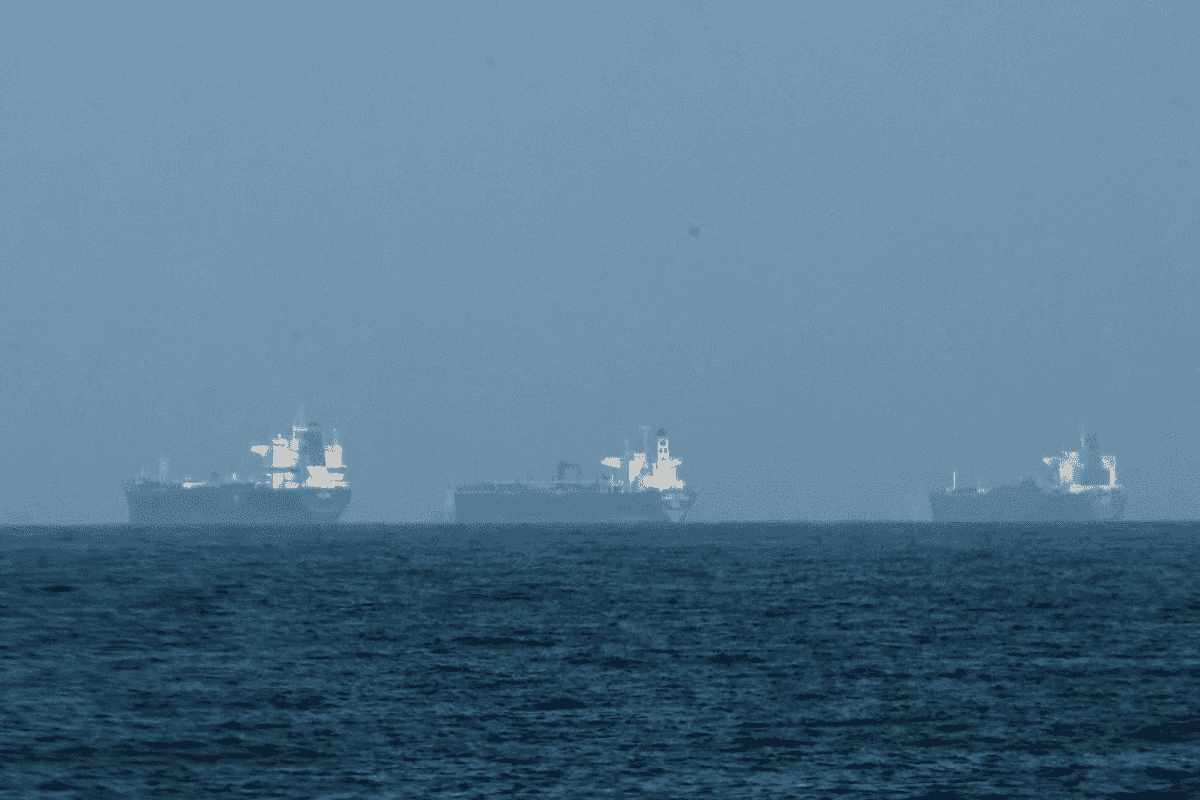
Iran’s Islamic Revolutionary Guard Corps (IRGC) Navy struck a commercial supertanker attempting to cross the strategic Strait of Hormuz on Monday, October 12, setting the vessel ablaze after it allegedly disabled its tracking systems and defied naval directives.
Why did Iranian forces target the supertanker in the Strait of Hormuz?
According to an official statement published by the IRGC on its news platform, Sepah News, the supertanker was intercepted and hit after attempting an unapproved transit through the waterway. The Guards stated that the vessel tried to sail through the corridor by deactivating its automatic identification system (AIS) transponders to evade detection and repeatedly ignoring radio warnings from Iranian patrol forces.
The action followed an explicit warning issued over the weekend by IRGC Naval Commander Ali Ozmaei, who announced that any commercial vessel turning off transponders while crossing the strait would be classified as hostile and subjected to a severe response.
The incident deepens an intense maritime confrontation that erupted in February 2026 following US and Israeli strikes on the Islamic Republic, prompting Tehran to impose an operational blockade on the chokepoint. The measure has been met with a United States counter-blockade targeting Iranian commercial ports and regular US naval escort operations for commercial vessels traversing the corridor.
How have maritime monitoring agencies and international security responded?
The strike forms part of an intensifying cluster of maritime incidents across the vital trade artery. The British maritime security agency United Kingdom Maritime Trade Operations (UKMTO) issued alerts detailing four separate attacks against commercial vessels—including crude carriers and a container ship—navigating the Strait of Hormuz within 24 hours.
The disruption to tanker movements threatens to worsen the global supertanker availability bottleneck, which has already pushed daily freight rates to historic highs and driven delivered crude prices above $100 per barrel.
According to Arab News, international maritime security bodies and coalition forces continue to monitor outbound and inbound lanes as shipping operators weigh severe route diversions around the Arabian Peninsula.




Comments
See what people are discussing