

Iran sets conditions to reopen Strait of Hormuz, rules out sending uranium abroad
Iran says it could reopen the Strait of Hormuz within two hours if the US meets its demands, but Araghchi rules out sending enriched uranium abroad

News Desk
The News Desk provides timely and factual coverage of national and international events, with an emphasis on accuracy and clarity.
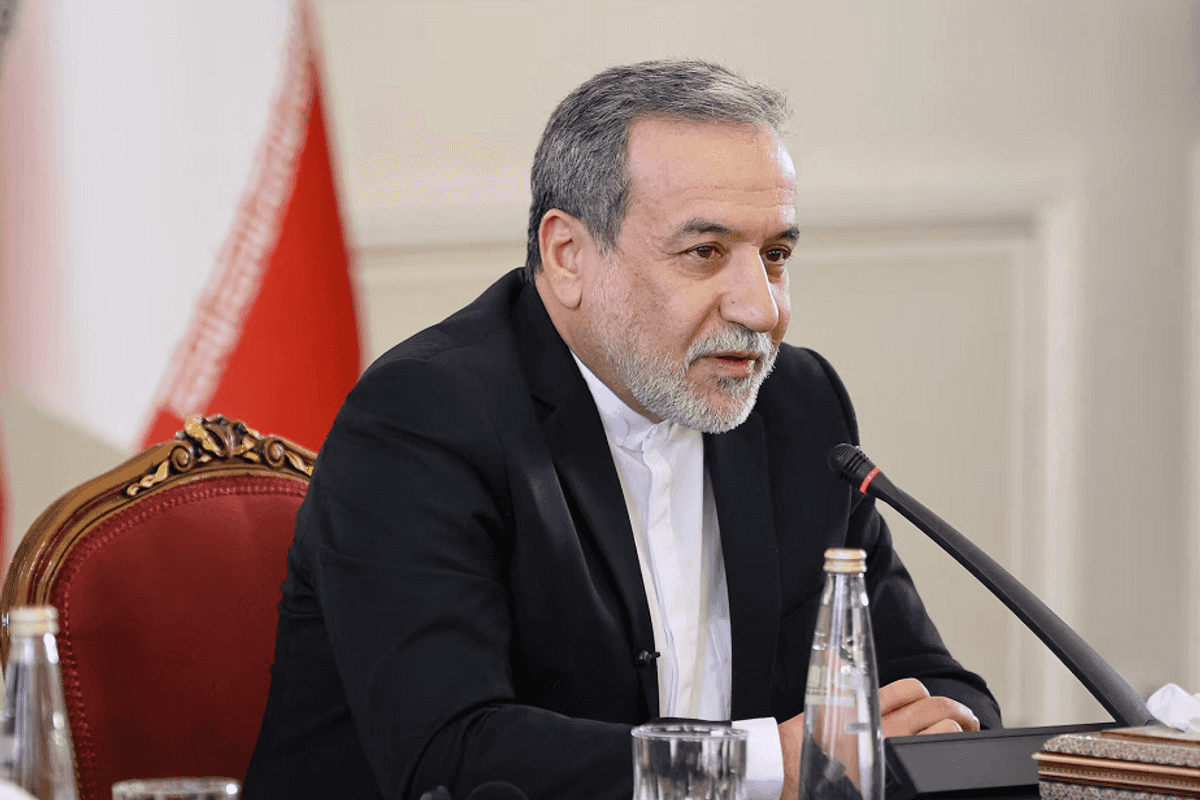
Iranian Foreign Minister Abbas Araghchi has said Iran could reopen the Strait of Hormuz within two hours if the United States meets its demands.
In an interview with the state-run Iran newspaper, quoted by Al Jazeera, he also ruled out sending Iran's highly enriched uranium stockpile overseas.
What conditions has Iran set to reopen the Strait of Hormuz?
Iran has set seven conditions for restoring passage through the strait, including an end to the war, the lifting of sanctions and the removal of the US naval blockade. Araghchi said the timeframe for reopening was negotiable, provided Washington addressed Iran's demands.
"If they want to reduce the two-day timetable to one day or even two hours, that is not an issue for us. What matters is that our demands are met," he said.
Is the Islamabad understanding between Iran and the US still valid?
Araghchi dismissed the previous understanding reached between Tehran and Washington in Islamabad. He said it was no longer applicable after the United States breached a key provision, pushing the two sides back towards confrontation.
The foreign minister said Iran was seeking a durable settlement rather than an arrangement that merely postponed another conflict. He questioned the value of an agreement that could collapse within months and lead to renewed fighting, adding that the June ceasefire had been followed by a resumption of hostilities just 15 days later.
Tehran would therefore require confidence-building measures to ensure that any new negotiations produced a different outcome. Araghchi also said US President Donald Trump needed to explicitly demonstrate his willingness to reach an agreement.
"We are people of diplomacy, and we still have hope in diplomacy," he said, while warning that Iran would not accept a deal simply to escape the current confrontation.
Will Iran send its enriched uranium abroad?
Araghchi said Iran was prepared to discuss the future of its uranium stockpile enriched to 60% purity but would not agree to move the material outside the country.
"Enriched nuclear materials will not leave the country, and these stockpiles will be used according to our needs," he said.
He added that mediators had put forward several proposals concerning the stockpile. He maintained that any arrangement must be fair and form part of a broader agreement covering Iran's other demands.
Araghchi said Tehran's official nuclear doctrine had not changed, although discussions were continuing among experts over the country's nuclear policy. He also acknowledged differences within Iran over whether to reconsider the late Supreme Leader Ayatollah Ali Khamenei's prohibition on developing nuclear weapons.
Supporters of a policy shift argue that the existing doctrine failed to protect Iran's nuclear facilities, he said, while those favoring its continuation also had strong arguments. Araghchi maintained that the nuclear question could not be addressed in isolation from the wider negotiations, insisting that any settlement must safeguard Iran's national interests and prevent another round of conflict.


Comments
See what people are discussing