

Iran says Strait of Hormuz will stay closed as US strikes continue
Iran's Revolutionary Guards say the Strait of Hormuz stays closed until US strikes stop, warning other Gulf export routes could be hit next.

News Desk
The News Desk provides timely and factual coverage of national and international events, with an emphasis on accuracy and clarity.
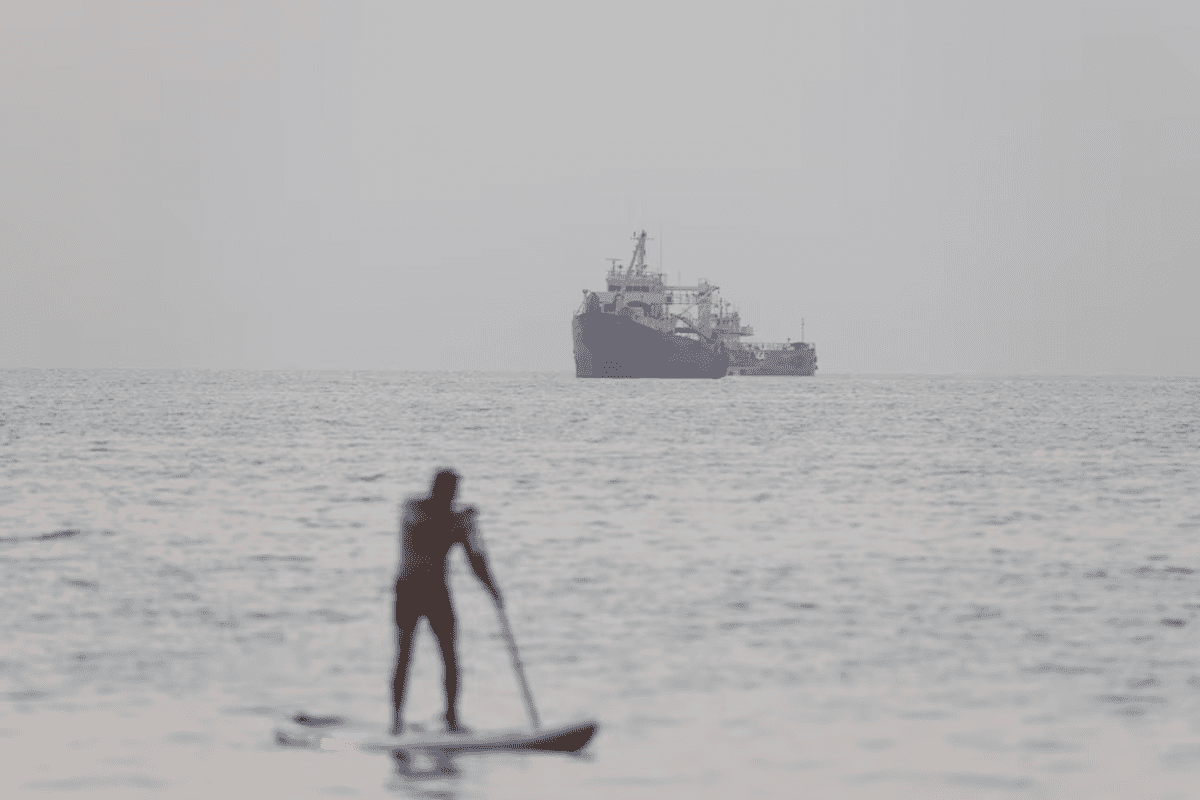
Iran's Revolutionary Guards said Wednesday the Strait of Hormuz will remain closed until the United States ends what Tehran calls "acts of aggression."
The warning came as fighting between the two countries, underway since late February, kept disrupting oil and gas exports through the Gulf's key shipping route. The Guards also threatened to target other regional energy export routes.
Why is the Strait of Hormuz closed?
Iran's Revolutionary Guards closed the Strait of Hormuz in retaliation for US strikes on Iranian territory. The IRGC says the closure will continue until Washington halts its military action, and has warned that other Gulf oil and gas routes could be shut down too. US officials reject Iran's claim that it can control the strait and say international shipping routes remain open.
What has Iran targeted in the Gulf?
According to Iranian state broadcaster IRIB, the IRGC said it struck US military facilities in Bahrain and Kuwait after American attacks on Iranian territory. The Guards did not specify which additional export routes could be hit next. "Oil and gas exports from the region will either be available for everyone or for no one," the IRGC said, adding that retaliatory operations would continue until US military action against Iran stops.
What is the US doing in response?
US forces struck Iran for a fourth consecutive day on Tuesday and reimposed a naval blockade meant to stop ships traveling to or from Iranian ports. Central Command said the strikes were aimed at degrading Iranian capabilities used to attack commercial shipping in the strait. President Donald Trump warned strikes would expand further next week unless Tehran agrees to negotiate.
"Next week it gets really bad for them because next week comes the power plants. Next week comes the bridges," Trump said in an interview with Fox News. "We're going to knock out all their power plants. We're going to knock out all their bridges unless they get to the table and negotiate."
What happened to the proposed Hormuz shipping fee?
Trump said he was withdrawing a previously announced 20% fee on ships passing through the Strait of Hormuz. He said the US would instead pursue trade and investment agreements with Gulf states. "I have decided to replace the 20% United States Reimbursement Fee with Trade and Investment Deals that the various Gulf States will be making into the United States," Trump wrote on Truth Social.
Where else have strikes and attacks hit?
Iranian state media reported explosions near Bandar Abbas, on Qeshm Island near the strait, and in other locations. Local authorities also reported strikes on four sites in Bushehr, home to Iran's only civilian nuclear power plant, along with an Iranian border area near Iraq and Kuwait. State news agency IRNA said Iranian forces separately launched a drone attack on a military base in Jordan that hosts American warplanes.
The renewed US blockade took effect at 2000 GMT, one hour after the latest strikes began. Deputy Foreign Minister Kazem Gharibabadi said the move had dismantled what he called the "Islamabad memorandum," which he said had provided a basis for pausing the conflict for peace talks. CENTCOM commander Adm. Brad Cooper said Iran had targeted seven commercial ships over the past week, killing, injuring or leaving missing several civilian crew members.
The International Maritime Organization said Iran struck two ships in the Strait of Hormuz, killing two crew members. Crisis response company MTI Network said a Norwegian tanker was hit by an explosion from an unidentified device off the coast of Oman early Tuesday. Kuwait said one of its naval vessels was struck during an Iranian missile and drone attack, wounding four crew members. An AFP tally based on Iranian media reports and official announcements put the death toll from renewed US attacks since last week at a minimum of 28 people in Iran.
How are regional powers responding to the escalation?
The Revolutionary Guards said Tuesday they had launched missiles and drones at Bahrain, targeting what they described as a residential building used by US forces and other facilities. Bahrain said it intercepted several Iranian aerial attacks and accused Tehran of targeting civilians after explosions and air raid sirens were reported in the capital, Manama. Jordan said it shot down four Iranian missiles on Tuesday.
Israeli Prime Minister Benjamin Netanyahu warned Iran against attacking Israel, speaking in Dimona. "Do not count on things remaining quiet if you attack us," he said. "The days are over when someone strikes us and we don't hit back with a decisive blow."




Comments
See what people are discussing