

Iran threatened to 'black out' Gulf if US hit power plants: officials
Iran warned Gulf states it would "black out" the region if the US hit its power plants, targeting desalination facilities, before Trump called off planned strikes

News Desk
The News Desk provides timely and factual coverage of national and international events, with an emphasis on accuracy and clarity.
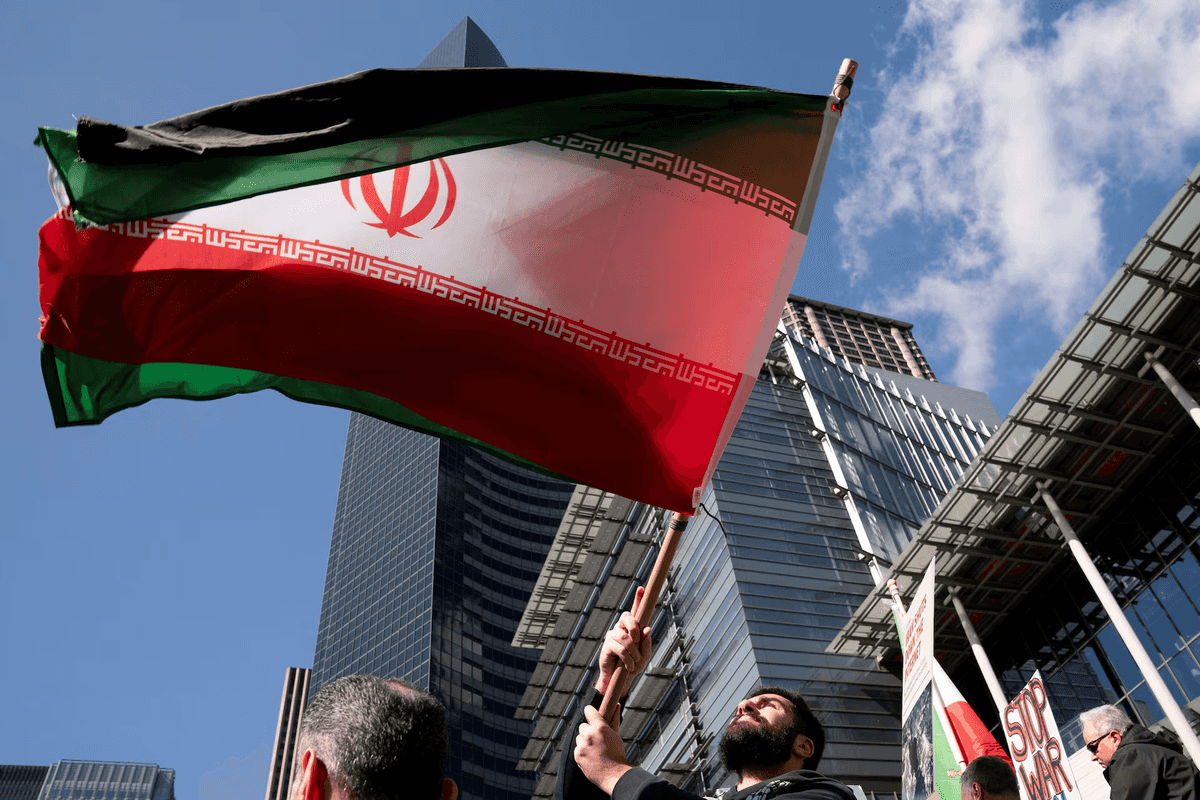
Iran threatened to "black out" the entire Gulf region, country by country, if the United States struck its power plants, conveying a list of specific targets through intermediaries last week, two officials told AFP.
The warning prompted Saudi Arabia, the UAE and Qatar to urge restraint, leading President Donald Trump to call off planned strikes he described as potentially "the biggest attack since World War II."
What did Iran threaten and how serious was the warning?
"Iran threatened to black out the Gulf, country by country, if Trump attacked its power plants," a Gulf official told AFP, with another regional official confirming the messaging. Both spoke on condition of anonymity. The new warning was described as "very serious" by the Gulf official, who noted it included "a long list of targets they would attack." Iran conveyed through intermediaries that any attacks on its power plants would trigger strikes on the same targets across Gulf states, including power plants and water desalination facilities, which the mostly desert region largely relies on for drinking water. Iran had publicly made such threats before, but officials said this iteration was more specific.
What was Trump planning and why did he call it off?
Trump said the planned strikes would have been "the biggest attack since World War II," with U.S. media reporting he was considering hitting energy infrastructure, as he has repeatedly threatened to do.
In mid-July, Trump threatened to destroy an Iranian bridge or power plant for every attack on shipping in the Strait of Hormuz, with Tehran warning of an "eye for an eye" response. Trump ultimately walked back the strikes over the weekend, citing requests from Saudi Arabia, the UAE and Qatar and hope for a breakthrough in talks. Saudi Arabia subsequently announced that Crown Prince Mohammed bin Salman had spoken to Trump in a call aimed at reducing regional tensions.
How has the ceasefire situation in the Gulf deteriorated?
The Gulf has borne the brunt of Iran's attacks during the Middle East war, with strikes targeting U.S. assets as well as civilian infrastructure including energy sites, ports and airports. Sporadic attacks continued after a ceasefire was agreed in April and a memorandum of understanding reached in June.
Exchanges of fire increased in scale and frequency as the ceasefire fell apart in July, with strikes targeting mainly Kuwait and Bahrain. Iran has maintained pressure on the Strait of Hormuz throughout the conflict, and Trump's threats of massive infrastructure strikes have added a new dimension of escalation risk for the broader Gulf region.



Comments
See what people are discussing