

Pakistan says Iran-US talks to resume in Switzerland next week
Pakistan says Iran-US technical talks will resume in Switzerland next week after a brief pause, with Islamabad and Doha continuing to mediate
Aamir Abbasi
Editor, Islamabad
Aamir; a journalist with 15 years of experience, working in Newspaper, TV and Digital Media. Worked in Field, covered Big Legal Constitutional and Political Events in Pakistan since 2009 with Pakistan’s Top Media Organizations. Graduate of Quaid I Azam University Islamabad.
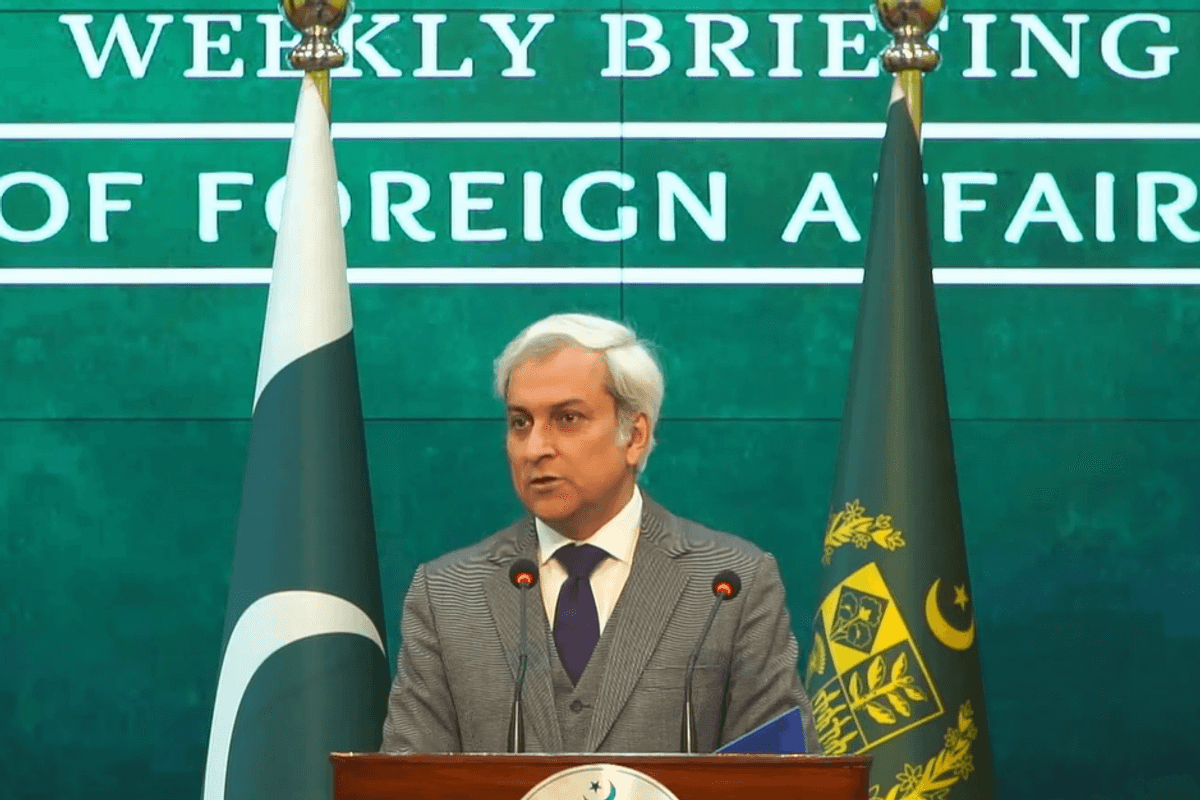
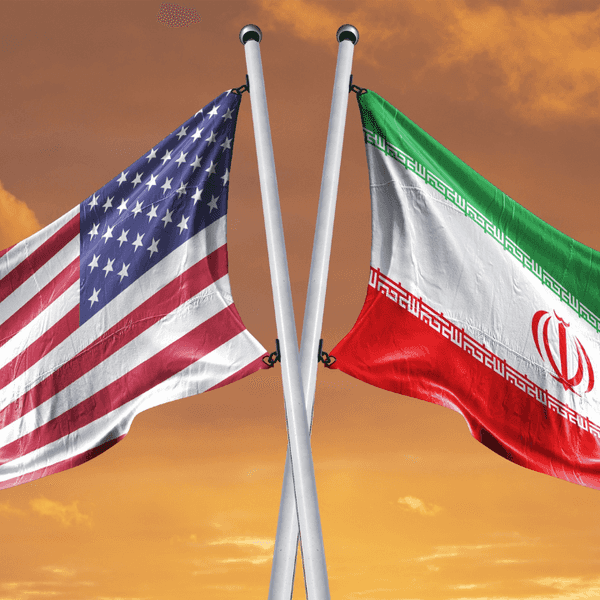
Negotiations between Iran and the United States will resume in Switzerland next week, Pakistan's Foreign Office said on Wednesday, following a brief pause after this week's technical-level talks in Burgenstock.
The discussions aim to ease tensions and address bilateral and regional issues between the two countries.
When will the Iran-US talks resume?
Foreign Office spokesperson Tahir Andrabi said the technical-level talks would likely reconvene early next week. He added that Pakistani and Qatari officials remain engaged with both sides to keep the process moving forward.
"The technical-level talks are continuing. They will resume next week, perhaps on Monday or Tuesday. This is a temporary break and the process will continue," Andrabi said. He added that Pakistan's delegation took part in this week's discussions and would attend when talks resume.
What role is Pakistan playing in the Iran-US negotiations?
Pakistan and Qatar have been mediating the talks, a role Islamabad has called a constructive step toward sustained engagement between Tehran and Washington. Andrabi said chief negotiators would submit the outcome of the latest round to a higher-level committee, expressing hope that future sessions would build on the progress made so far.
He welcomed international recognition of Pakistan's diplomatic efforts and praised local media for what he called responsible coverage of the negotiations. The briefing followed a visit by Iranian President Masoud Pezeshkian to Pakistan, at the invitation of Prime Minister Shehbaz Sharif. Pezeshkian, accompanied by a senior delegation, met Pakistani political and military leaders to discuss bilateral relations and regional developments.
What other regional issues did Pakistan's Foreign Office address?
Beyond the Iran-US talks, Pakistan and Qatar are coordinating efforts to preserve the ceasefire in Lebanon, which Andrabi said differs from the situation in the Palestinian territories. There, he noted, an immediate end to violence and civilian suffering remains a pressing concern.
On maritime security, Andrabi said Pakistan continues to prioritize the release of a Pakistani vessel and its crew seized by Somali pirates. A technical team from Pakistan's embassy has visited Djibouti, and an inter-ministerial coordination mechanism has been activated. Islamabad is also working with organizations such as the Ansar Burney Trust to support the crew's release.
Andrabi added that Pakistan joined other countries on June 18 in issuing a joint statement condemning Israeli attacks. He said Pakistan also recently facilitated the repatriation of 30 Iranian nationals who had been detained by British and U.S. authorities.
What progress has Pakistan made at the United Nations?
The Foreign Office said a resolution co-sponsored by Pakistan and Denmark was adopted with support from 153 member states. The measure reaffirms that attacks against U.N. peacekeeping personnel are unacceptable.
Andrabi also referred to a June 21 meeting between the foreign ministers of Pakistan, Saudi Arabia, Turkey and Egypt, where participants reviewed progress on the Islamabad Understanding. Pakistan was represented by Deputy Prime Minister and Foreign Minister Ishaq Dar, who later met Egyptian President Abdel Fattah el-Sisi.
On the Strait of Hormuz, Andrabi stressed its strategic importance and urged all parties to protect freedom of navigation through one of the world's most critical shipping corridors.
What did Pakistan say about Afghanistan?
The Foreign Office said Pakistan and China remain in close coordination on Afghanistan and share concerns over militant groups operating from Afghan territory. Andrabi named the Tehreek-e-Taliban Pakistan (TTP) and the East Turkestan Islamic Movement (ETIM) as security threats to both countries.
Despite these concerns, he said Pakistan remains committed to engagement with Kabul, citing trade, education and connectivity as key topics during Ishaq Dar's recent visits. Andrabi also signaled growing frustration over security, saying Islamabad expects concrete action from Kabul before relations can move forward.
"Pakistan has not left any avenue unexplored with regard to Afghanistan, but a certain threshold was crossed after which it was not possible to continue with diplomacy," he said. "If diplomacy is to restart, some verifiable commitment has to be made."
The Foreign Office reiterated that Afghan territory should not be used for attacks against Pakistan and stressed the need to respect the internationally recognized border. Andrabi said Islamabad's policies are guided by protecting its citizens and national security, while remaining open to engagement with Kabul.




Comments
See what people are discussing