

Iraq PM says invited to Riyadh after US-Saudi strikes
Iraq's PM was invited to Riyadh after US-Saudi strikes killed 20 militants, as Tehran-backed groups delay their threatened response

News Desk
The News Desk provides timely and factual coverage of national and international events, with an emphasis on accuracy and clarity.
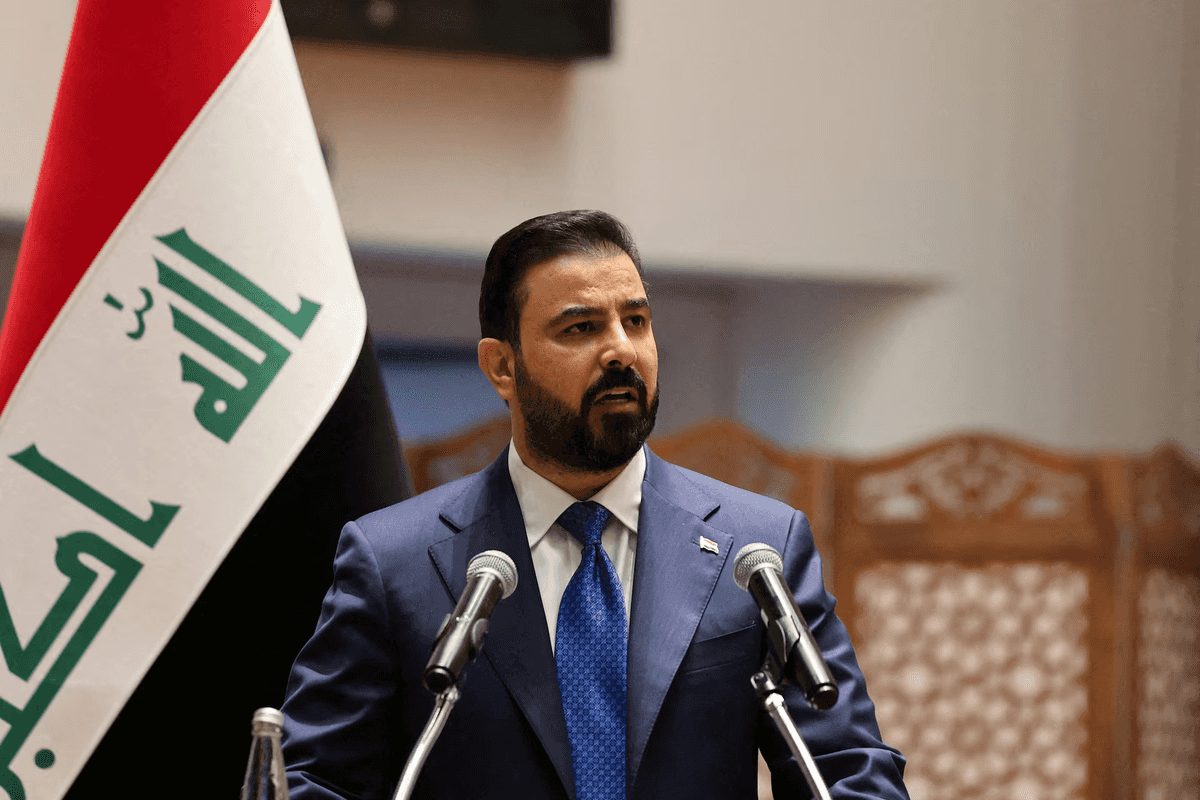
Iraqi Prime Minister Ali al-Zaidi.
Reuters
Iraqi Prime Minister Ali al-Zaidi received an invitation to visit Riyadh, his office said Friday, as Tehran-backed groups announced they would delay their response to deadly US-Saudi strikes in Iraq last month.
The strikes killed 20, including five Iranians, on July 29.
Why was Iraq's PM invited to Riyadh?
Saudi intelligence chief Khalid bin Ali al-Humaidan met Zaidi on Friday and renewed Saudi Arabia's invitation for him to visit Riyadh, according to the prime minister's media office. Zaidi had originally been due to visit in late July, but the trip was cancelled after the US-Saudi strikes.
The strikes came after Riyadh said its forces had intercepted drones targeting oil facilities, blaming Iran-backed groups in Iraq. They also followed growing US pressure on Baghdad to disarm pro-Iran armed groups, which had targeted US facilities hundreds of times during the Middle East war.
What has Zaidi's government done about armed groups?
Zaidi, who came to power this year with Washington's backing, vowed to ensure Iran-backed groups would hand over their weapons, though he has faced pushback from some powerful factions. His government has long said it rejects the use of Iraqi territory to launch attacks on neighboring countries. Zaidi's government has given those groups, which Washington designates as terrorist organizations, until September 30 to disarm.
On Thursday, Iraqi authorities said they had boosted security measures along the borders and throughout the country. Two security sources told AFP the measures were put in place to prevent a response to the US-Saudi strikes.
Will Iran-backed groups retaliate against the strikes?
The Islamic Resistance in Iraq, an alliance of Tehran-backed groups, had vowed to retaliate against the US-Saudi strikes. On Friday, however, it announced it had decided to postpone the response that was scheduled for that day, following a call from Badr Organisation leader Hadi al-Ameri and citing the "honorable stances" of other political leaders.
Ameri, a political figure close to Iran, had pleaded with the groups in a video message not to respond to the attacks.
Why is Iraq caught between the US and Iran?
Washington and Tehran are Iraq's main allies, but their rivalry has long turned the country into a proxy battleground. Successive Iraqi governments have struggled to maintain a delicate balance between the two foes while avoiding becoming a launchpad for attacks on their neighbors.



Comments
See what people are discussing