

Karachi business leaders criticize two-day gas suspension for industries
They say gas suspension risks factory shutdowns, layoffs and weaker export performance

Business Desk
The Business Desk tracks economic trends, market movements, and business developments, offering analysis of both local and global financial news.
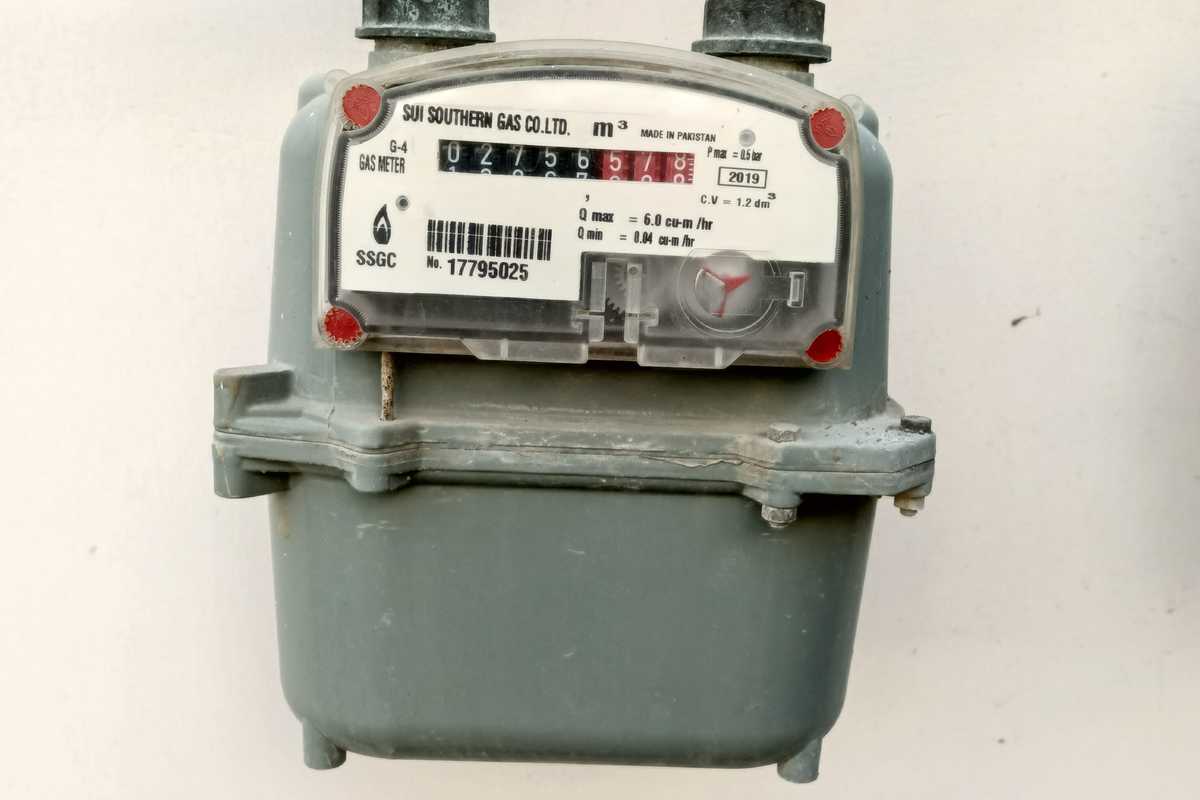
Business leaders in Pakistan’s largest city have criticized the government’s decision to suspend gas supply to industries for two days each week, warning the move could worsen the country’s economic challenges and undermine exports.
The leadership of the Karachi Chamber of Commerce and Industry (KCCI) said the decision could disrupt production at a time when manufacturers are already facing rising costs and declining competitiveness.
Chairman of the Businessmen Group (BMG) Zubair Motiwala and KCCI President Muhammad Rehan Hanif described the policy as “extremely alarming and counterproductive.”
They said the decision to halt gas supply to industries twice a week, combined with reduced gas allocations to fertilizer plants, risks worsening conditions for manufacturers and exporters.
The two business leaders said the timing of the decision was particularly concerning because Pakistan’s exports had recently declined.
They noted that export earnings fell by 8.76% in February to about $2.27 billion, reversing earlier signs of recovery. During the same period, Pakistan’s trade deficit widened to nearly $25 billion, placing additional pressure on the country’s economy.
According to Motiwala and Hanif, suspending gas supply to industries even for two days a week could disrupt industrial operations, reduce production capacity and delay export shipments.
“Instead of supporting exporters and manufacturers, such decisions will only deepen the crisis faced by industries and further weaken Pakistan’s export performance,” they said.
The KCCI leadership acknowledged the government’s decision to establish an 18-member high-level Action Committee to address the country’s energy situation.
They described the committee’s formation as a positive step but said representatives from the industrial and export sectors should be included. They specifically called for representation from the Karachi Chamber to help provide practical insights into industrial operations.
Industries in Karachi and other parts of the country are already facing high energy costs, policy uncertainty and shrinking demand, the business leaders said.
They warned that the additional burden of gas supply suspension could force many factories to reduce production or temporarily shut down. Such measures could lead to financial losses, layoffs and lower export volumes, they said.
The KCCI leadership also raised concerns about what they described as inconsistencies in Pakistan’s gas management policy.
They noted that only a few months ago authorities had considered deferring imported re-gasified liquefied natural gas (RLNG) cargoes from Qatar due to lower demand.
At the same time, industries were required to use a blend of locally produced gas and RLNG, they said. According to the business leaders, the share of RLNG in this blend has reached as high as 40%, significantly increasing energy costs for manufacturers.
They added that high gas tariffs have already reduced industrial consumption.
Many factories have cut operations or shut down captive power plants as energy costs have risen, according to industry estimates cited by the business leaders. They said tariffs for gas used in captive power generation have nearly tripled in recent months, pushing energy costs well above those in competing regional economies.
Motiwala and Hanif also referred to reports that some domestic gas wells had been capped because of surplus RLNG supply, raising concerns about the country’s energy planning.
They noted that Sui Northern Gas Pipelines Limited had earlier warned that declining gas demand could create operational challenges in the transmission system due to pressure buildup in pipelines.
The KCCI leadership urged the government to focus on structural reforms in the gas sector.
They called for measures to address unaccounted-for gas, line losses, leakages and theft, which they said cause significant financial losses each year.
“Industries are the backbone of the economy and the main drivers of exports, employment and revenue generation,” the business leaders said.
They urged the federal government to review the decision and adopt what they described as an industry-friendly energy policy aimed at supporting manufacturing, boosting exports and stabilizing the economy.



Comments
See what people are discussing