

Karachi HIV outbreak widens as 25 children test positive at second SESSI hospital
Sindh orders a new inquiry after 25 children test positive for HIV at a Landhi hospital, widening Karachi's ongoing pediatric HIV outbreak crisis further.

Akhtiar Khokhar
Special Correspondent
Akhtiar Khokhar is a one of the karachi-based senior journalists. He has been doing investigative reporting for Pakistan's mainstream print and electronic media for the past 33 years, especially highlighting corruption and bad governance in government institutions and development projects.
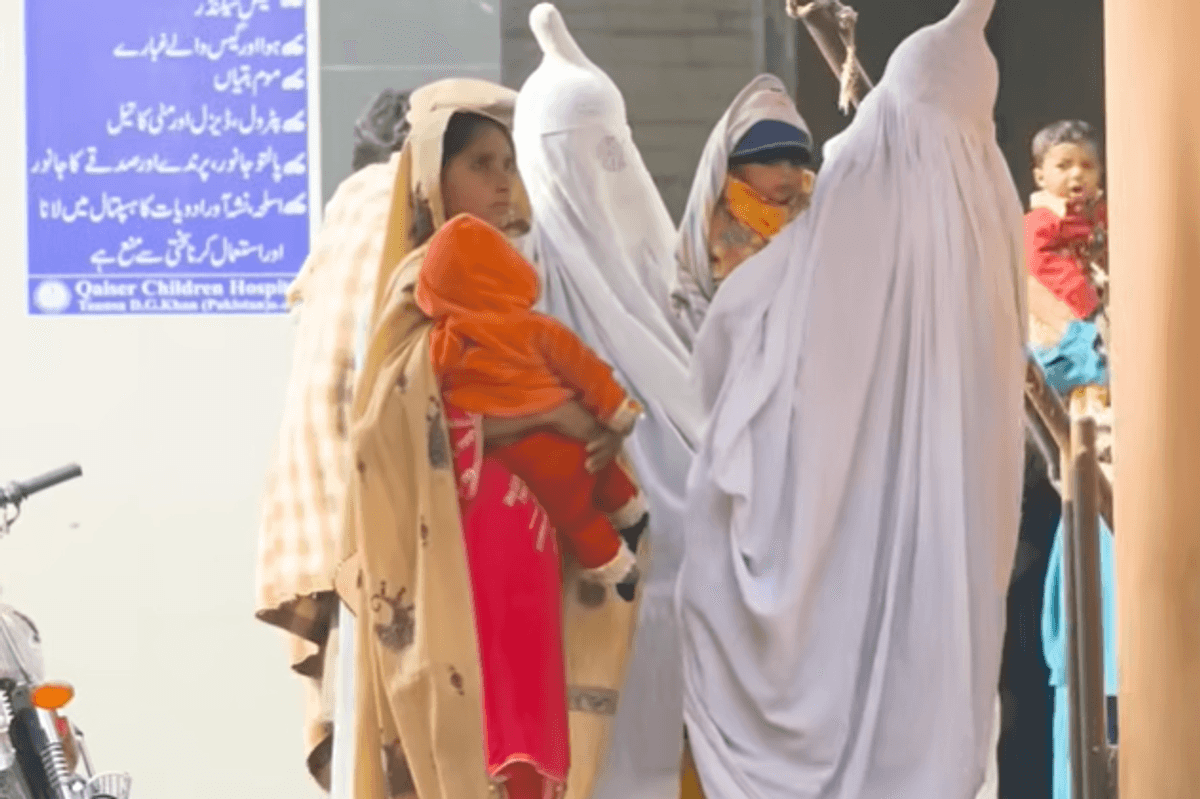
Pakistan's Sindh government has launched a new inquiry after 25 more children in Karachi's Landhi area tested positive for HIV.
Nukta
Pakistan's Sindh government has launched a new inquiry after 25 more children in Karachi's Landhi area tested positive for HIV, widening a public health crisis tied to allegations of unsafe medical practices at a government-run hospital. Most of the children were treated at the Sindh Government Social Security Hospital in Landhi.
Why is Karachi facing a new HIV outbreak inquiry?
Most of the newly identified children were treated at the SESSI-run Landhi hospital, part of the same network already under scrutiny for HIV infections. The new cases follow an earlier outbreak in Karachi's SITE and Orangi Town areas, where more than 120 children were infected through reused syringes at Kulsoom Bai Valika Hospital.
How many children have been affected in Landhi so far?
Sindh Labour Minister Saeed Ghani had previously confirmed 10 HIV-positive children in Landhi, but documentary records reviewed by Nukta identified 15 additional infected children. The records show the children were registered for treatment at the Indus Hospital ARV Centre between Jan. 16 and May 13, 2026, and range in age from four months to eight years.
The affected children come from low-income labor families earning between PKR 17,000 and PKR 40,000 a month. Their parents said PKR 1,000 to PKR 2,500 was deducted monthly from their salaries for SESSI healthcare coverage, only for their children to allegedly become infected through the same system. Parents requested anonymity because of the stigma associated with HIV.
What is Sindh doing to investigate the new cases?
After receiving documentary evidence on July 22, SESSI Commissioner Hadi Bux Kalhoro said the matter would be referred to the labor minister and an inquiry launched. The government then formed a five-member committee, headed by Chief Medical Officer Dr. Naila Zaheer, to determine how many HIV cases are linked to the Landhi hospital and how the infections occurred.
The committee has also been tasked with examining injection practices, reviewing procurement of medical equipment, assessing hospital administration and identifying officials responsible for negligence. It has been directed to submit its report within seven days. Several parents told Nukta they were summoned by the committee and questioned about their children's treatment history and when infections were confirmed, and alleged that officials repeatedly urged them not to speak to the media.
How does this connect to the earlier Valika Hospital outbreak?
The new inquiry comes months after an investigation into Kulsoom Bai Valika Hospital found widespread negligence. The June 19 report concluded that disposable syringes and other single-use equipment had been repeatedly reused, infection-control measures were largely absent, and unqualified staff had been employed, resulting in hundreds of children from low-income families contracting HIV. It also alleged that hospital management concealed the outbreak for months, withholding diagnoses from parents and staff while infections continued to spread.
During a meeting chaired by Chief Minister Syed Murad Ali Shah on July 13, officials said between 78 and 95 children had been diagnosed with HIV at Valika Hospital and five had died, though they warned true figures could be higher. Authorities have initiated departmental proceedings against 37 officials and healthcare workers, the Sindh Ombudsman has taken suo motu notice, and affected families have approached the Sindh High Court. Ghani later said screening of about 10,000 residents around the hospital identified 120 HIV-positive children, including 80 from SESSI-insured families, and announced a PKR 2 billion endowment fund for affected families.
What caused the syringe reuse and health system failures?
The Valika inquiry found that chronic shortages of disposable medical supplies led staff to repeatedly reuse syringes, IV cannulas and drip chambers. Witnesses alleged senior officials encouraged employees to wash and reuse single-use equipment, while infection-control supplies such as gloves, sanitizers and face masks were often unavailable. The report also cited corruption, procurement irregularities, administrative failures and efforts to suppress early warnings after the first HIV case linked to the hospital emerged in April 2025.
Could this outbreak have been prevented?
The report said the outbreak reflected broader systemic failures in Sindh's public healthcare system, noting that lessons from the 2019 Ratodero HIV outbreak, which infected about 2,200 children, had not been implemented. It also questioned the credibility of the current inquiry because it is being conducted by SESSI, the same institution that operates the hospitals under investigation, and called for an independent investigation, large-scale HIV screening and accountability for those responsible.




Comments
See what people are discussing