

Netanyahu meets Trump at White House for first face-to-face talks since Iran war began
sraeli Prime Minister Benjamin Netanyahu met with US President Donald Trump at the White House to resolve strategic disagreements over the ongoing conflict with Iran

News Desk
The News Desk provides timely and factual coverage of national and international events, with an emphasis on accuracy and clarity.
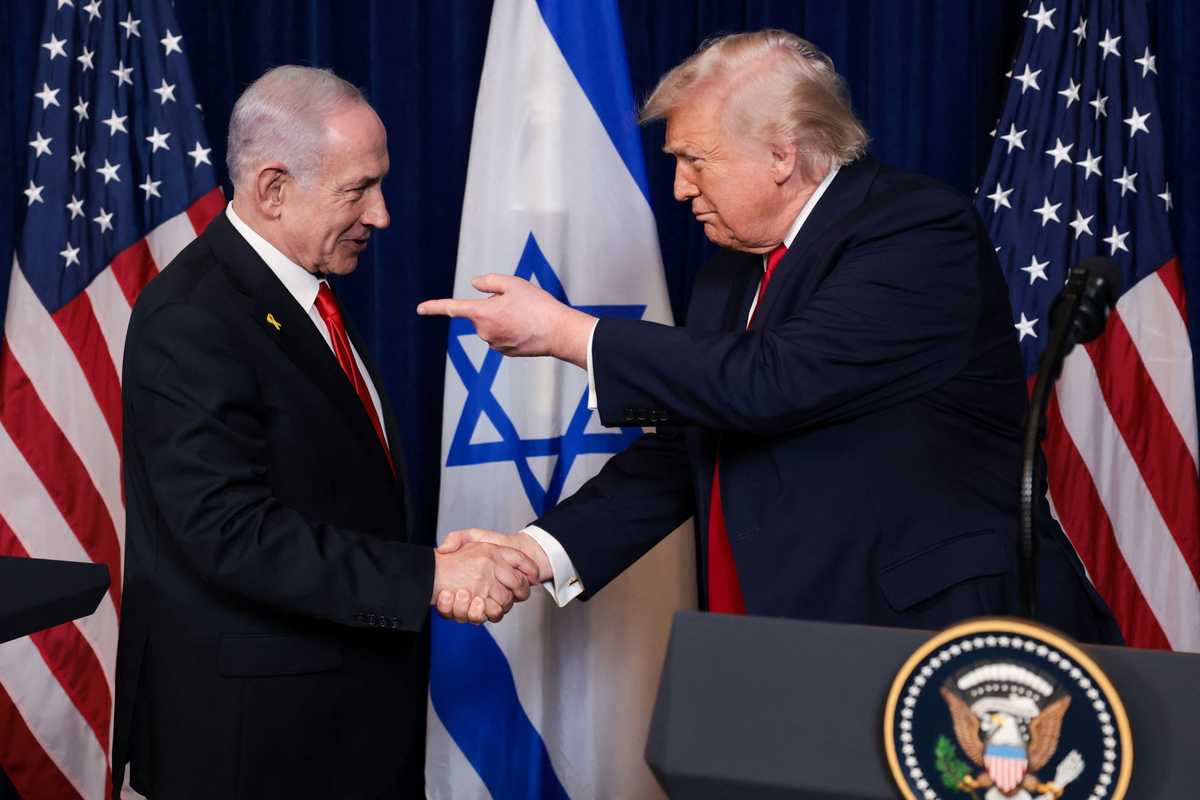
Israeli Prime Minister Benjamin Netanyahu arrived at the White House on Tuesday for his first in-person meeting with US President Donald Trump since the outbreak of the war in Iran.
The high-stakes visit aims to bridge public disagreements between the two leaders as Washington pursues diplomatic negotiations while Israel pushes to maintain security guarantees.
What is driving the strategic friction between Donald Trump and Benjamin Netanyahu?
Relations between the two leaders grew tense following the collapse of an April ceasefire agreement, during which President Trump publicly expressed frustration with the Israeli prime minister and labeled him a very difficult guy. Netanyahu has minimized the rift, describing the friction as mere tactical disagreements while insisting both nations remain fully aligned on the overarching objective of countering Tehran.
The high-level meeting marks the eighth encounter between the leaders since Trump returned to office in early 2025. Both figures face pivotal political milestones later this year, including national elections in Israel scheduled for late October and upcoming midterm elections in the United States.
"There is no break or any kind of major disagreement between the United States and Israel. There's more in agreement between the two leaders than disagreement."
— Yonatan Freeman, International Relations Expert at Hebrew University
Before departing Israel, Netanyahu emphasized that his primary objective in Washington was safeguarding national security while exploring opportunities to expand regional diplomatic ties. Upon arriving in the United States, the prime minister attended a private memorial dinner honoring the late Senator Lindsey Graham, with plans to participate in an official memorial service later in the day.
Which key regional security issues top the White House agenda?
The summit is primarily focused on managing the trajectory of the conflict with Iran, particularly as Washington explores diplomatic avenues following recent military exchanges. Israeli officials remain focused on preventing Iranian nuclear advancement and countering regional militia proxies.
In addition to Iran, the leaders are evaluating several pressing Middle Eastern security challenges across the broader region.
Regarding the Lebanon Framework, the delegation is reviewing the on-the-ground implementation of a US-sponsored security framework signed by Israel and Lebanon last month, which continues to face operational challenges.
Concerning the Gaza Reconstruction Standstill, diplomatic progress regarding the dire humanitarian situation and post-conflict reconstruction in Gaza remains stalled nearly three years after the outbreak of war between Israel and Hamas, with localized military operations continuing.
In terms of the Abraham Accords Expansion, President Trump continues to prioritize expanding the normalization framework, seeking to establish formal diplomatic ties between Israel and additional regional partners like Saudi Arabia.
Danny Danon, Israel's ambassador to the United Nations, highlighted that the White House meeting arrives at a critical juncture for regional stability. As Washington and Jerusalem calibrate their next strategic moves, both administrations aim to project a unified stance toward adversaries across the Middle East.





Comments
See what people are discussing