

Netanyahu says Israel did not agree to US-backed Gaza plan
Benjamin Netanyahu says Israel did not agree to the US-backed Gaza plan, despite assurances that any Israeli withdrawal would follow Hamas disarmament.

News Desk
The News Desk provides timely and factual coverage of national and international events, with an emphasis on accuracy and clarity.
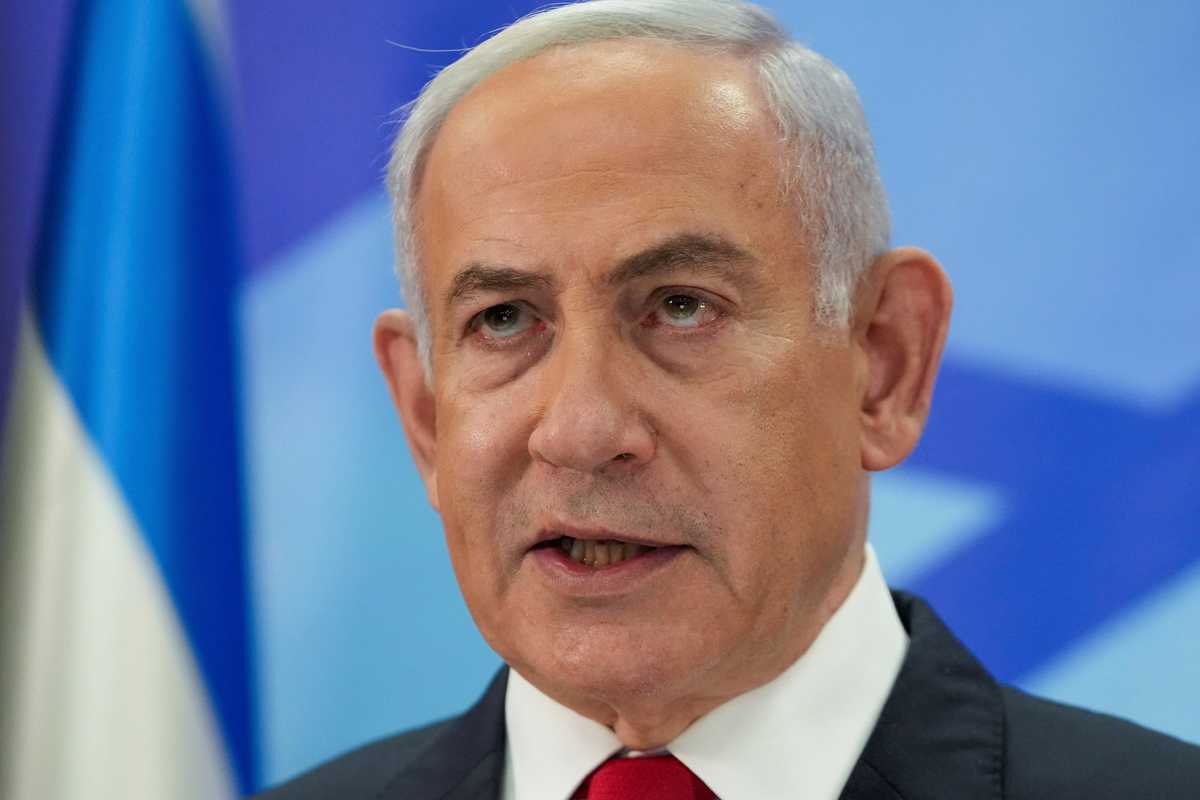
Prime Minister Benjamin Netanyahu said Israel did not agree to the US-backed Gaza plan, despite receiving assurances that Israeli forces would withdraw from current positions only after Hamas disarms.
Netanyahu made the remarks in a video posted on his social media accounts Tuesday, saying Israel had submitted its own comments on the proposal rather than approving the draft.
Why did Netanyahu reject the US-backed Gaza plan?
Netanyahu said Israel did not approve the US-backed Gaza plan because the draft presented by U.S. President Donald Trump's team was not Israel's version. He said Israel reviewed the proposal, sent back its own comments, and was still examining whether the plan could achieve Hamas' disarmament and Gaza's demilitarization.
In the video, Netanyahu said Trump's team "believes that they can bring about the disarmament of Hamas and the demilitarization of Gaza."
"They sent us a draft, we did not agree to it, it is not our draft. We sent our comments," he said.
Netanyahu said he met Monday with the US-backed Board of Peace and received guarantees that the Israeli military would leave its current positions in Gaza only after Hamas disarms.
Even so, pressure has intensified from the right wing of Netanyahu's governing coalition to reject the proposal.
Two far-right ministers requested another vote on the plan Tuesday, arguing that it no longer reflects what had originally been discussed.
Israel's security cabinet, which includes both ministers, had already approved the proposal. The plan includes the deployment of international peacekeeping forces in the Gaza Strip.
Why are Israeli coalition members opposing the Gaza plan?
Netanyahu had planned to convene the security cabinet again on Tuesday, but Israeli media reported the meeting was postponed until Thursday because of Likud Party primary voting ahead of the Oct. 27 elections, where he faces a closely contested race.
According to Tal Elovits, a researcher at Israeli think tank Molad, the request by Finance Minister Bezalel Smotrich and Settlement Minister Orit Strook should be viewed mainly as a campaign effort designed to increase political pressure on Netanyahu.
"The Israeli right-wing has always tried to postpone a scenario in which this conflict becomes an international conflict. Obviously, the IDF's behavior will be different once you have soldiers from Kosovo, from Indonesia" and other countries, Elovits said, referring to Israel's military.
Elovits added that Israel has little practical ability to abandon the US-sponsored plan because of its diplomatic position internationally.
"Netanyahu has no other option besides listening to his only friend left in the diplomatic community," he said, referring to Trump.
"Netanyahu is not a very active player here. He's an active player maybe in trying to block some ideas, but Israel is not putting anything on the table."
Has Israel changed its military operations in Gaza?
Reports in Haaretz and other Israeli media suggest U.S. pressure to reduce attacks in Gaza before a partial withdrawal under the plan may already be influencing Israeli military operations.
According to those reports, troops have been instructed to seek authorization from the chief of staff before carrying out strikes unless they face immediate danger. The reported policy differs from previous directives, under which approval from the regional command chief was sufficient.
When asked about the reports, Israel's military referred AFP to the "political echelon" for a response. A spokesperson for Netanyahu declined to comment.





Comments
See what people are discussing